
While the bipartisan bill aims to restrict minors' data usage and mandate new parental controls, critics warn that its legal framework creates a dangerous precedent. The Electronic Frontier Foundation argues that the bill’s negligence-style standard—which penalizes platforms if they "should have known" a user was a minor—will force companies to adopt rigid, potentially identity-based age-gating to avoid litigation. This could lead to widespread requirements for driver's licenses or facial scanning across the internet.
In section Newsroom
House Passes KIDS Act Amidst Fierce Debate Over Online Privacy
The U.S. House of Representatives passed the Kids Internet and Digital Safety (KIDS) Act with a 267-117 vote, sparking immediate backlash from digital rights advocates who argue the legislation threatens user anonymity and encourages invasive age-verification practices that could endanger journalistic sources and private communication.
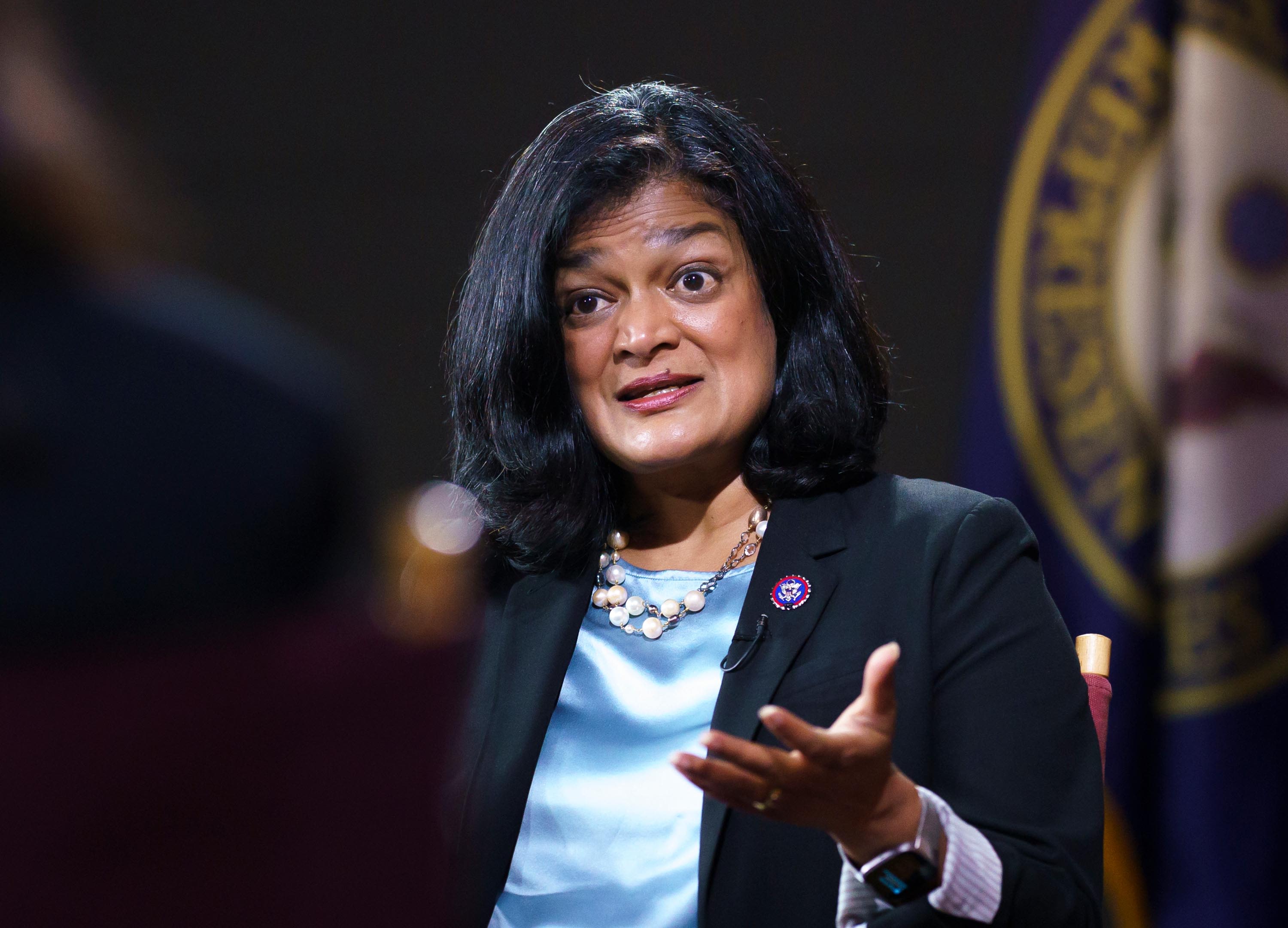
Beyond privacy concerns, the act faces criticism from both sides of the aisle. Representative Pramila Jayapal, who voted against the bill, argued that it fails to hold tech giants accountable for algorithmic harms, specifically noting the omission of a "duty of care" provision found in the Senate’s version of the Kids Online Safety Act. Former congressman Justin Amash condemned the vote as a betrayal of constitutional protections, while press freedom groups warned that the resulting environment could provide new avenues for government surveillance of confidential sources.
Comments (0)
No comments yet. Be the first!