
The Federation for American Immigration Reform (FAIR) had challenged the policy, arguing that birthright citizenship should be reserved exclusively for those authorized by the federal government to remain in the country. Attorneys for the organization cited United States v. Wong Kim Ark as the primary precedent, contending that the current interpretation of the law encourages illegal immigration by conferring benefits upon those without legal status.
In section Releases
Supreme Court Rejects Trump Executive Order on Birthright Citizenship
The Supreme Court struck down a presidential directive that sought to restrict birthright citizenship to children of U.S. citizens and lawful permanent residents. By ruling against the executive order in Trump v. Barbara, the justices effectively maintained the existing legal standard: any child born on American soil remains a citizen.
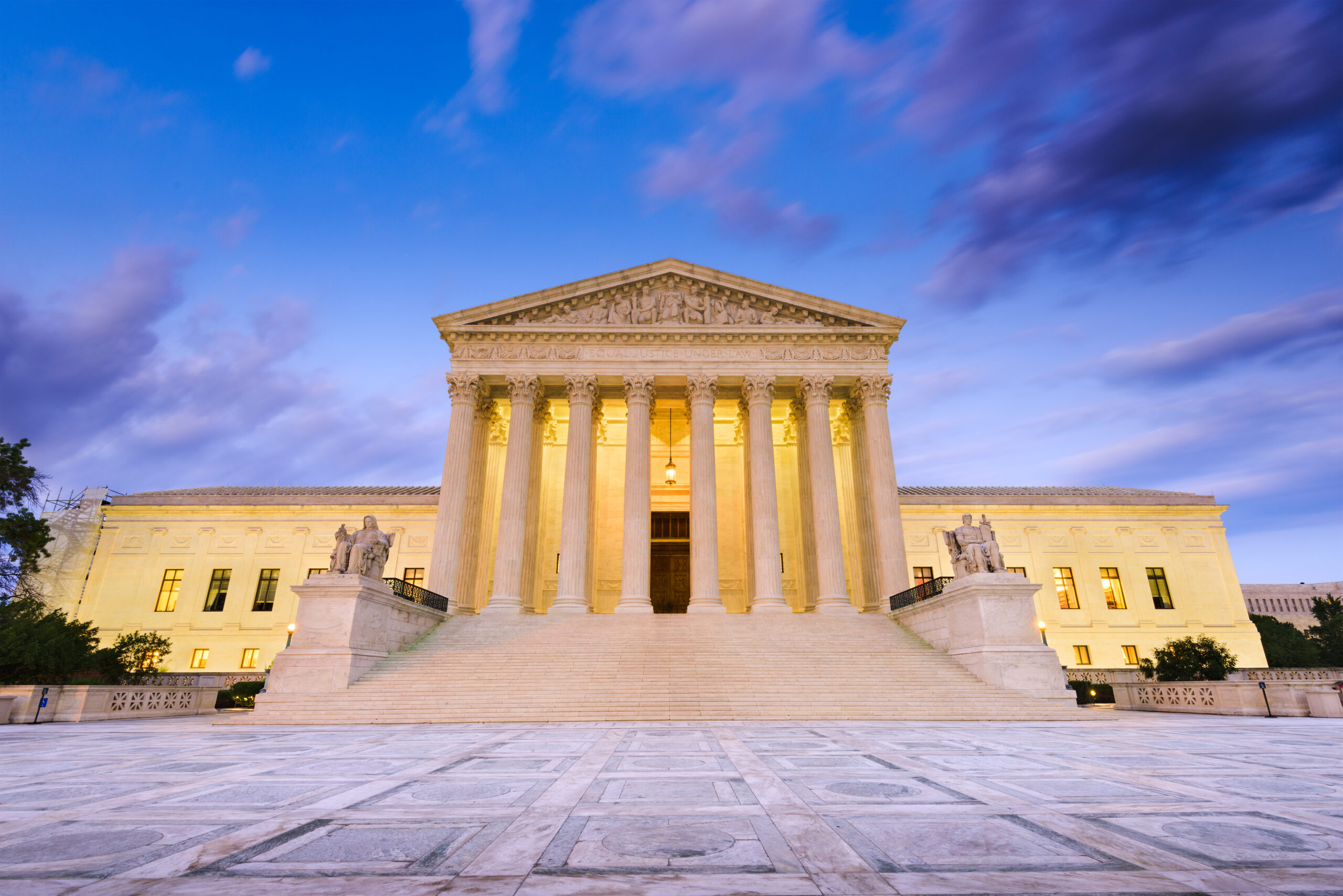
Following the decision, FAIR executive director Dale L. Wilcox criticized the ruling as a constitutional error. He stated that the organization intends to intensify its lobbying for stricter border enforcement to offset what he described as the negative consequences of the court's judgment. While the administration’s attempt to unilaterally alter citizenship criteria has failed, the debate over the scope of the 14th Amendment continues to drive the national immigration agenda.
Comments (0)
No comments yet. Be the first!