
Justice Brett Kavanaugh, writing for the majority, argued that states are not obligated to grant individual exemptions, citing "medical and scientific uncertainty" regarding physical advantages in sports. The ruling rejected equal protection claims brought by two athletes: 16-year-old Becky Pepper-Jackson of West Virginia and 25-year-old Boise State student Lindsey Hecox. While the court was unanimous in finding that West Virginia’s specific ban did not violate Title IX, the three liberal justices dissented on the equal protection question.
In section Newsroom
Supreme Court Upholds State Bans on Transgender Athletes
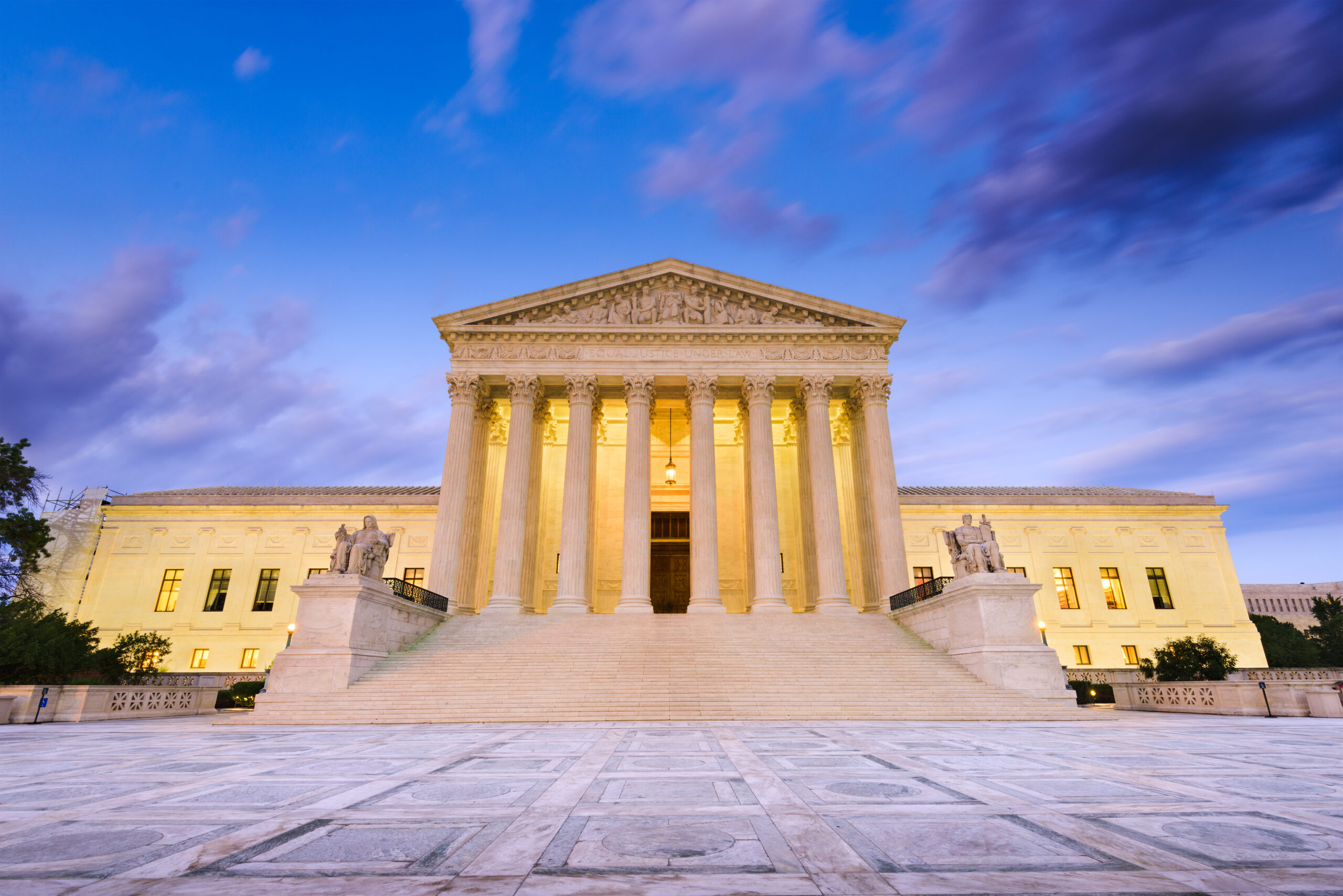
The US Supreme Court has ruled that state laws prohibiting transgender girls and women from participating on school athletic teams do not violate the Constitution or Title IX. The 6-3 decision, which bolsters ongoing legislative efforts in Republican-led states, marks a significant legal setback for transgender rights advocates across the country.
Justice Sonia Sotomayor criticized the majority for dismissing the human impact of the ruling, noting that the decision allows states to deny young people access to community-building experiences based on perceived athletic advantages. Advocates, including those at Lambda Legal and the National Center for LGBTQ Rights, warned that the ruling invites invasive scrutiny of children’s bodies and legitimizes state-level political attacks. The decision arrives alongside a broader wave of legislation targeting gender-affirming care and legal recognition, prompting comparisons from civil rights groups to historical eras of state-sanctioned discrimination.
Comments (0)
No comments yet. Be the first!