
The company’s announcement frames the update as an industry-leading privacy measure, noting that the device will now cease recording if the capture light is tampered with. Meta admitted this response became necessary after users developed sophisticated methods to bypass existing light signals to film others without consent. Despite this pivot toward physical security, the company continues to push boundaries in data collection. Reports indicate Meta is testing prototypes capable of continuous audio collection and frequent photo capture, while simultaneously expanding its AI training processes to include personal images from user camera rolls.
In section Startups & Technology
Meta’s Privacy Paradox: Safety Features vs. Data Hunger
Meta is attempting to rebrand its AI glasses as a secure device by introducing a kill-switch for cameras with obstructed LED indicators. This technical safeguard, intended to prevent surreptitious recording, arrives as the company faces mounting criticism for a business model that increasingly relies on harvesting intimate user data.
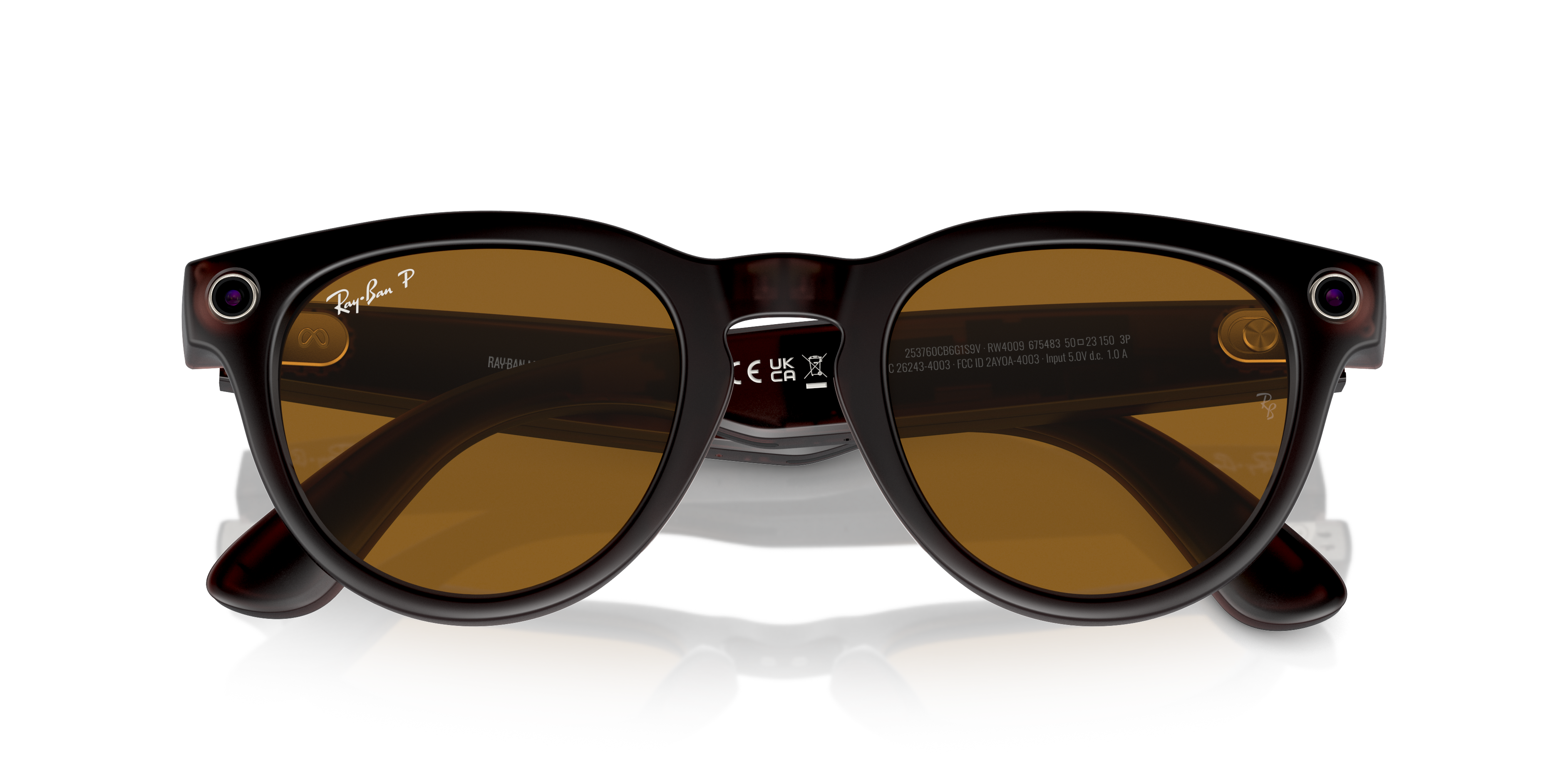
The push for more data remains central to Meta's strategy. Recent disclosures confirm that public Instagram photos are now fair game for AI training unless users manually opt out. This aggressive approach persists despite ongoing lawsuits and investigations into the company’s history of privacy violations, including allegations from workers tasked with reviewing graphic content captured by the devices. From the fallout of the Cambridge Analytica scandal to current concerns over targeted advertising based on private AI chats, the gap between Meta’s stated commitment to privacy and its operational trajectory continues to widen. While an LED safeguard addresses one specific form of misuse, it does little to alleviate broader concerns about how the company intends to weaponize personal information for its burgeoning AI ecosystem.
Comments (0)
No comments yet. Be the first!