
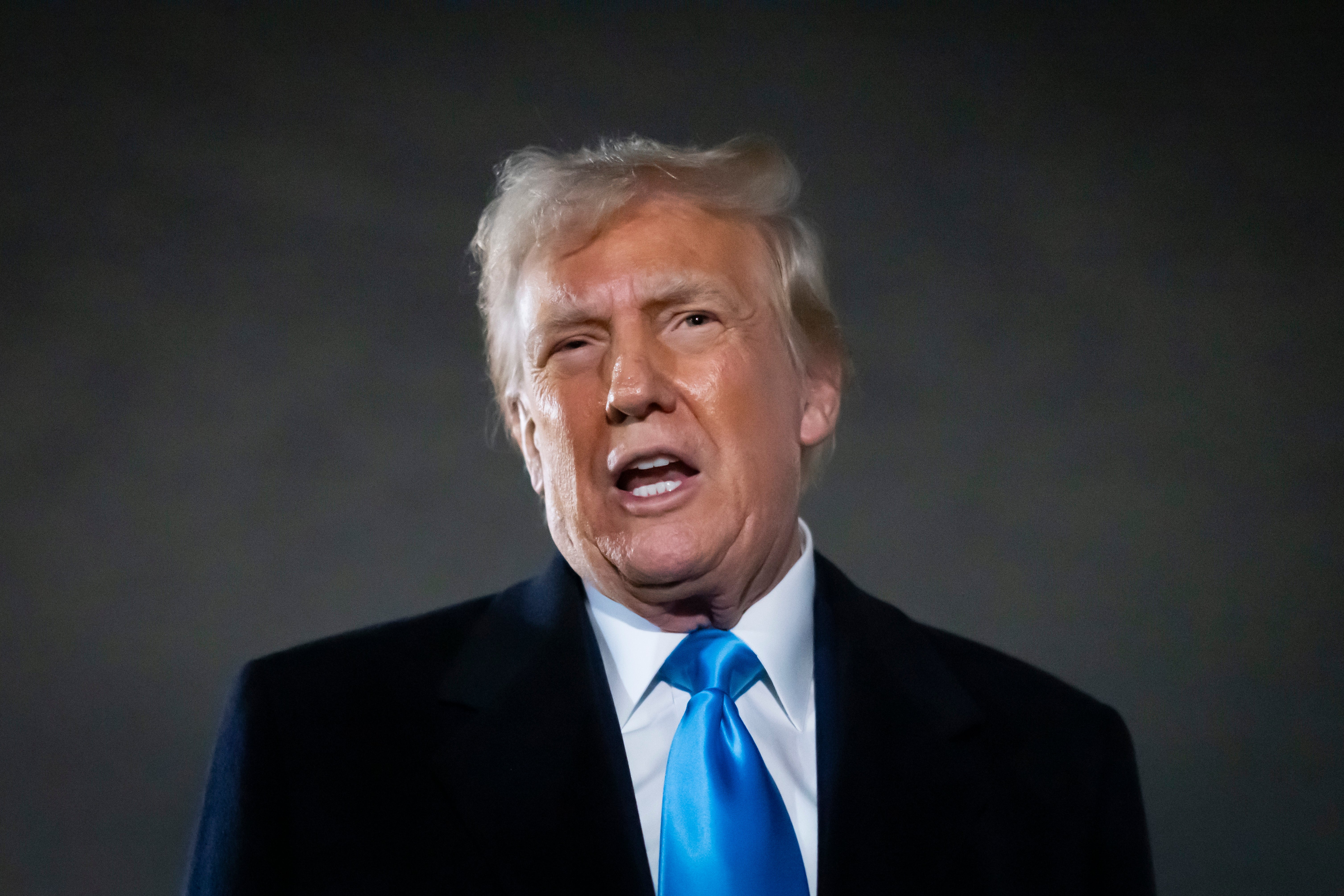
The policy, branded as "Liberation Day" by Donald Trump, has been defined by constant volatility. Frequent adjustments to tariff rates and unpredictable threats of new levies have created an environment where long-term capital investment is nearly impossible. Manufacturers reliant on imported components, such as rare earth elements for electric vehicle batteries, now face inflated production costs that are frequently passed on to consumers.
Economic analysts point to a lack of certainty as the primary driver of this decline. Dean Baker of the Center for Economic and Policy Research noted that businesses have curtailed expansion plans because they cannot forecast whether their operations will remain viable under shifting trade rules. This instability is compounded by the loss of foreign market share, as international buyers seek alternatives to avoid the fallout of U.S. trade belligerence.
Comments (0)
No comments yet. Be the first!