
Climate change is far from gender-neutral. During Europe’s recent heat waves, mortality rates among women climbed 56% higher than among men. Beyond immediate physical threats, natural disasters often trigger a collapse in reproductive healthcare access and a surge in gender-based violence. These disruptions disproportionately strip women and girls of economic autonomy, often leading to increased rates of child marriage and early childbirth.
In section Releases
Why Climate Adaptation Must Address Gender Equity and Population
In the 80 countries most exposed to climate disasters, population growth currently runs at twice the global average. A new report from the Population Institute argues that this cycle of vulnerability can only be broken by integrating reproductive health, gender equity, and family planning into international climate adaptation strategies.
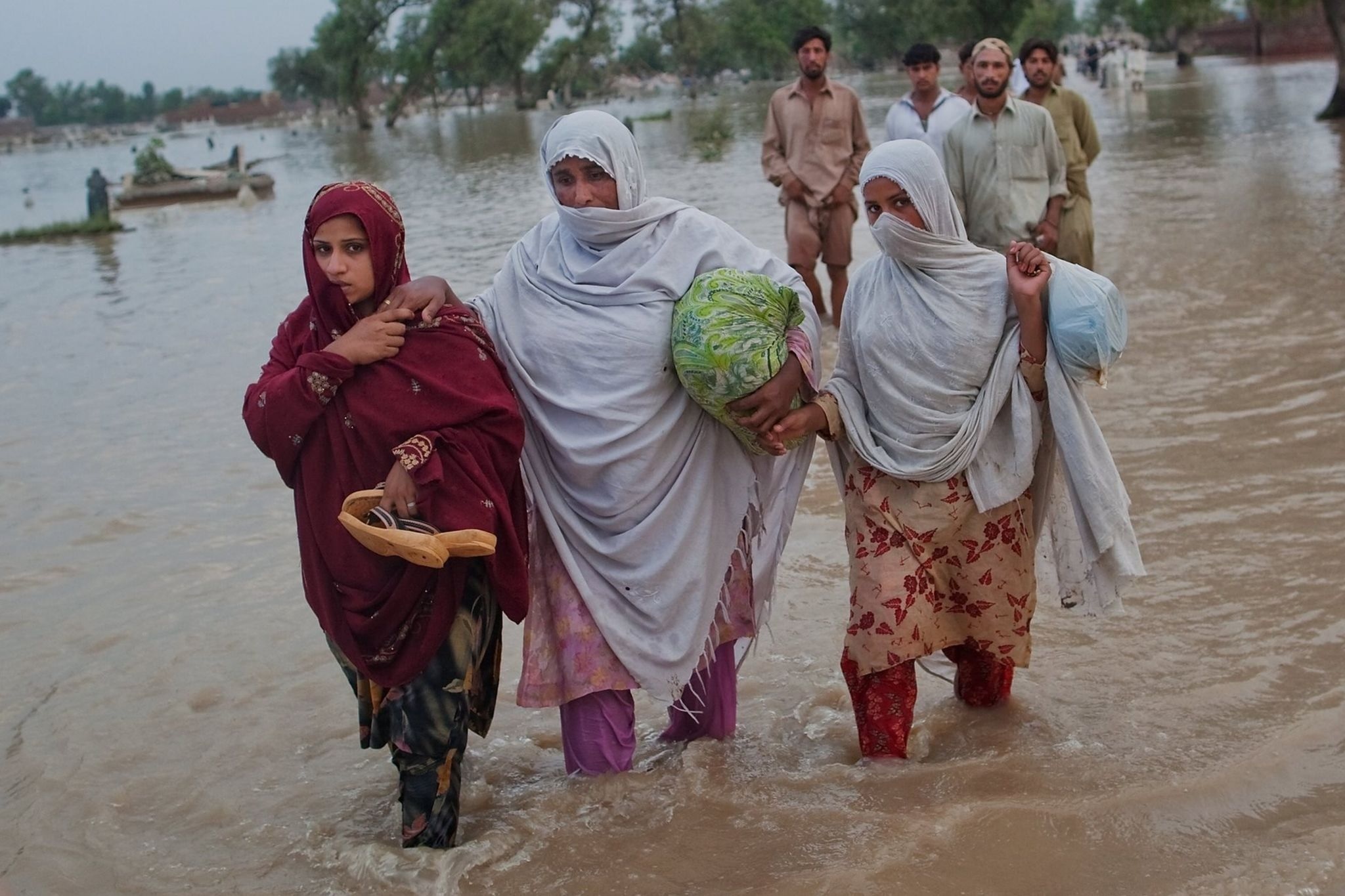
Kathleen Mogelgaard, CEO of the Population Institute, notes that current climate planning largely ignores these social dynamics. The organization’s latest research highlights successful, integrated approaches in Bangladesh, Niger, the Philippines, Uganda, and the United States. By prioritizing female autonomy and family planning, policymakers can simultaneously slow rapid population growth and strengthen community resilience. Despite this, the report warns that global public funding for these essential services is currently trending in the wrong direction.
Comments (0)
No comments yet. Be the first!