
Under the new rule announced by the Interior and Commerce departments, federal authorities will no longer classify the degradation of a habitat as a violation of the law. Instead, liability will only trigger if an action results in the direct injury or death of an animal. This reinterpretation creates an opening for fossil fuel companies, land developers, and agricultural interests to alter landscapes that species rely on to forage or raise their young.
In section Newsroom
Trump Administration Scales Back Endangered Species Habitat Protections
The Trump administration has moved to narrow the definition of harm under the Endangered Species Act, a shift that critics warn will leave critical habitats vulnerable to industrial destruction. By rescinding protections against habitat modification, the policy transition signals a departure from decades of legal precedent upheld by the Supreme Court.
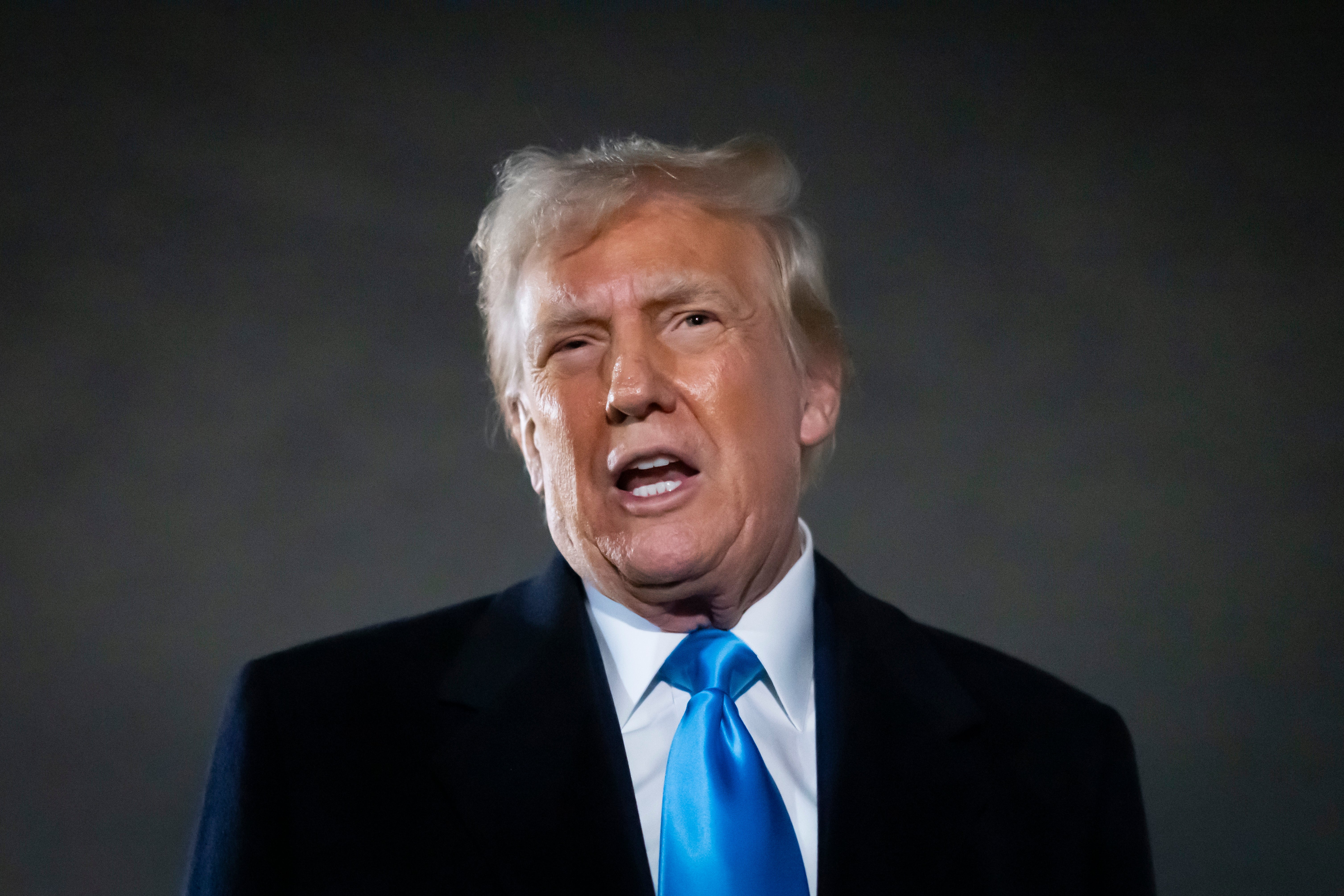
Environmental groups have reacted with immediate hostility, describing the policy as a catastrophic blow to conservation efforts. Kristen Boyles, an attorney for Earthjustice, stated that the administration would face legal challenges to overturn the decision, citing a lack of scientific or public support. Similarly, advocates from the Sierra Club and the Center for Biological Diversity characterized the change as an attack on the foundational principles of wildlife protection, warning that habitat loss remains the primary driver of extinction for species ranging from spotted owls to Florida panthers.
Comments (0)
No comments yet. Be the first!