
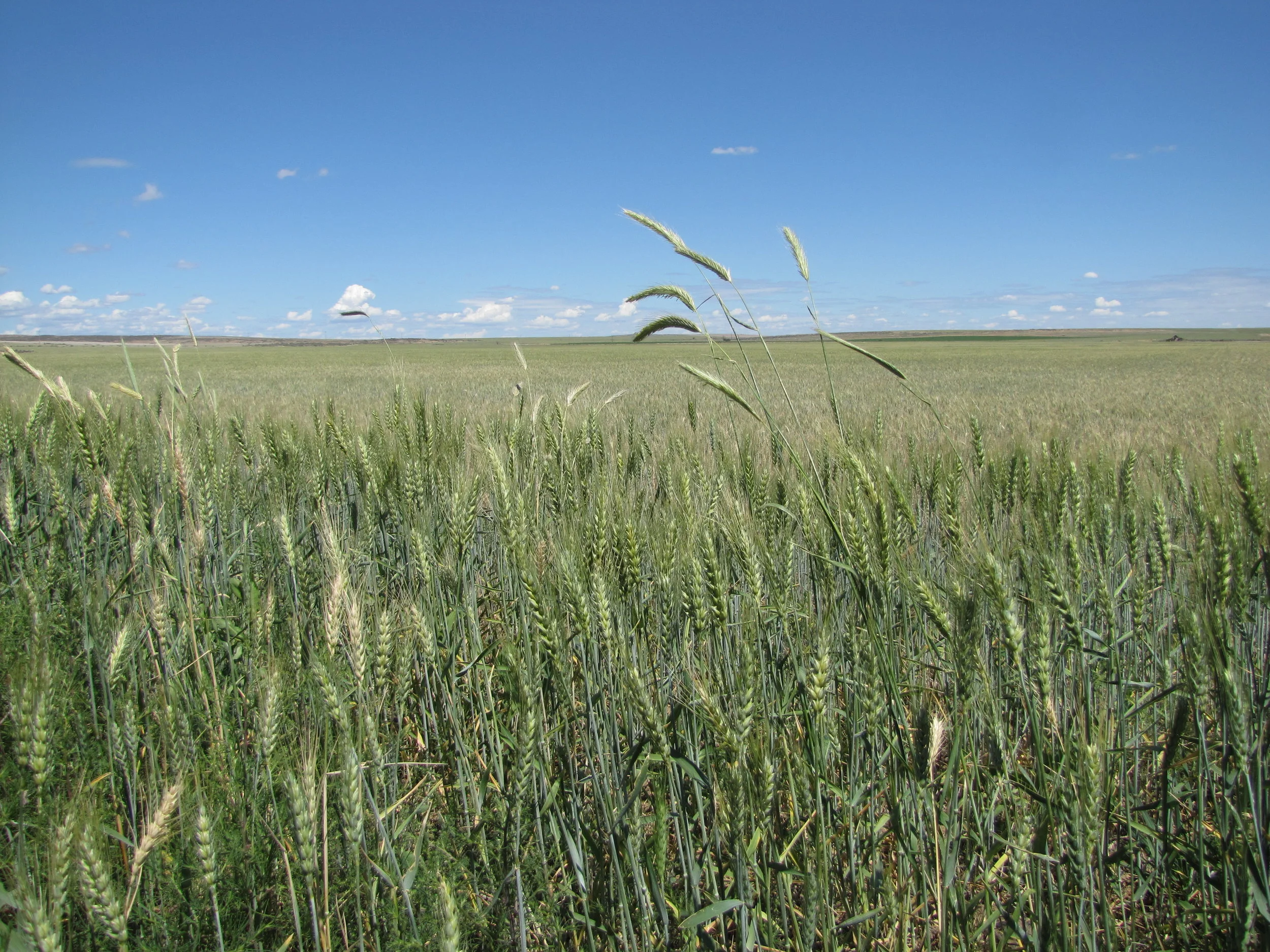
The research, published in the journal Weed Science, examined field experiments at the Russell E. Larson Agricultural Research Center in Rock Springs, Pennsylvania, during the 2021-2023 growing seasons. Laurel Wellman, a Ph.D. student and lead author, noted that all tested cereal rye densities outperformed unseeded control plots in controlling weeds, with the highest seeding rates showing the most significant impact.
Surprisingly, the study found that increasing the seeding rate did not yield additional rye biomass, nor did it negatively impact soybean harvest totals. Furthermore, while fall applications of poultry litter successfully increased overall rye biomass, they failed to provide any measurable improvement in weed suppression. The data suggests that the improved control stems from the density of the rye coverage rather than the total volume of plant material.
Comments (0)
No comments yet. Be the first!