
The company’s Australian iron ore output remained steady at 83.5 million tons, yet the successful execution of productivity programs helped drive the highest first-half production levels since 2018. Global iron ore sales reached 88.8 million tons, reflecting a 5% year-over-year rise. While iron ore gains buoyed the results, the copper division faced a setback with a 7% decline in quarterly output to 213,000 tons, compounded by an unplanned 75-day outage at the Kennecott smelter in Utah.
In section Market Quotes
Rio Tinto Boosts Iron Ore Shipments as Copper Costs Fall
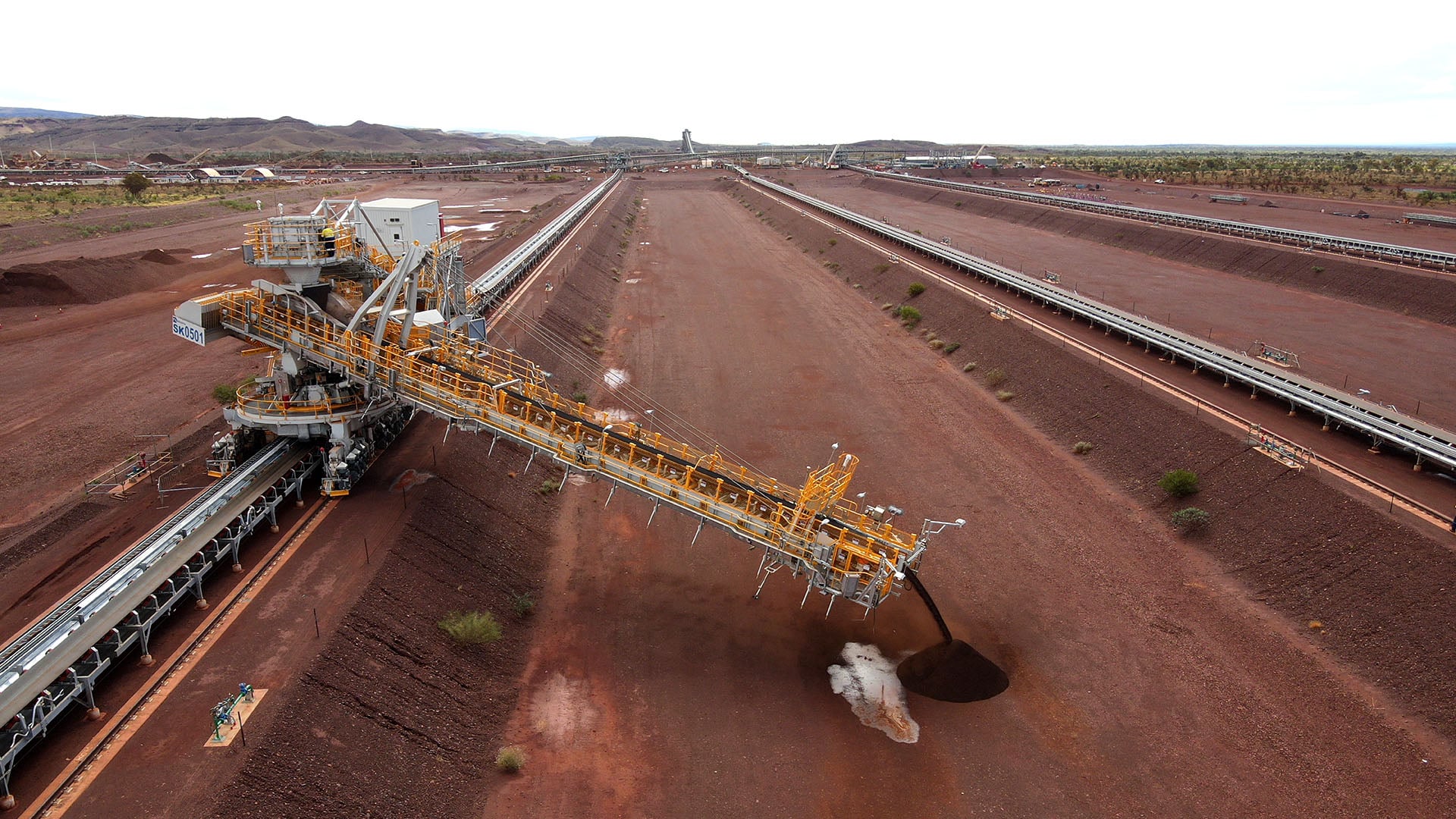
Rio Tinto shipped 85.3 million metric tons of iron ore from its Pilbara operations during the second quarter, a 7% increase that surpassed analyst expectations. The mining giant attributed the recovery to improved system performance and healthy inventory levels following weather-related disruptions earlier in the year.
Despite lower copper volumes, Rio Tinto significantly improved its financial outlook for the division. Bolstered by sustained gold prices and internal productivity gains, the miner lowered its 2026 copper unit cost guidance to between 30 and 50 U.S. cents per pound, down from previous estimates of 65 to 75 cents. Rising diesel costs, which climbed from $85 to $140 per barrel during the period, added 80 cents per ton to iron ore mining expenses, though the company maintained its annual cost guidance for the steel ingredient at $23.50 to $25.00 per ton.
Comments (0)
No comments yet. Be the first!