
The core of this volatility lies in the "7% rule," where every single degree of Celsius warming forces the atmosphere to retain 7% more moisture. This physical shift transforms routine rainfall into concentrated, high-intensity flood events that routinely overwhelm current engineering standards. Beyond the immediate threat of water, the state is bracing for a fourfold increase in triple-digit heat days by 2036. This transition turns heat from a temporary seasonal nuisance into a permanent structural burden on power grids and urban health systems.
In section Releases
Texas Climatologist Warns of Structural Weather Whiplash
Texas State Climatologist John Nielsen-Gammon is shifting the climate conversation from historical averages to future extremes. As atmospheric moisture increases and storm patterns become erratic, the state faces a new reality where severe drought and catastrophic flooding often occupy the same calendar year, demanding a radical redesign of local infrastructure.
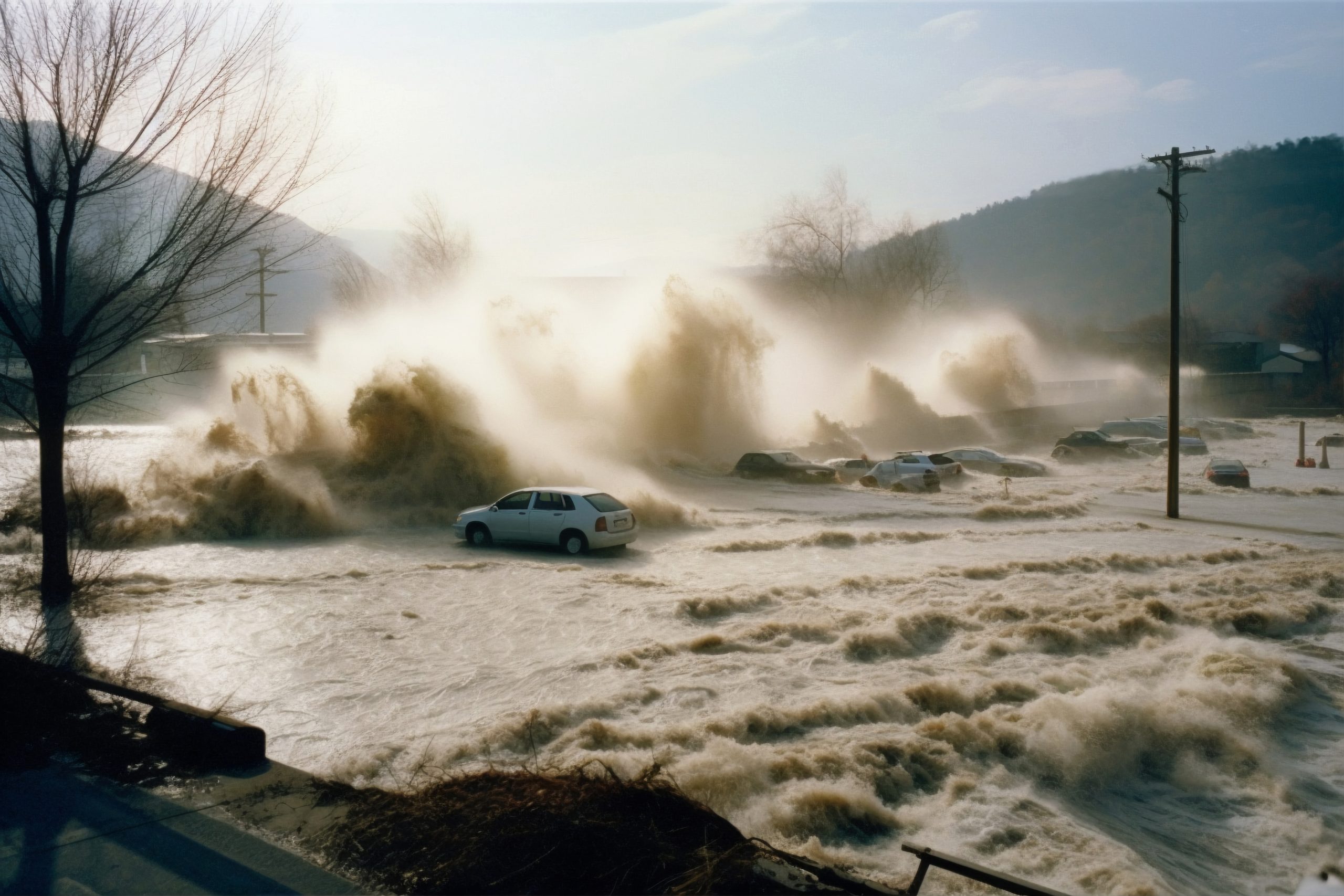
Nielsen-Gammon, a Regents Professor at Texas A&M University, argues that the window for emergency response is shrinking as storm systems exhibit rapid, unpredictable intensification near landfall. Communities are now forced to navigate "weather whiplash," a cycle that requires simultaneous planning for acute water scarcity and sudden, massive inundation. While the challenges are systemic, localized adaptation strategies are already taking hold in cities like Austin, where water management and infrastructure redesigns are moving away from reactive measures toward long-term resilience. The discussion, featured on the Planet Classroom Network's Net Zero Speaks series, emphasizes that translating this scientific data into actionable municipal policy is the only viable path to mitigating the risks of an increasingly unstable climate.
Comments (0)
No comments yet. Be the first!