
The project signals a shift in hardware strategy for the tech giant, which currently relies heavily on market-dominant Nvidia. By co-designing hardware and software, Google intends to optimize its systems for real-world workloads, potentially reducing the massive capital expenditures that have recently unsettled investors. While the company declined to confirm the report, a spokesperson noted that rigorous exploration of new architecture remains central to their full-stack approach.
In section Startups & Technology
Google develops custom Frozen v2 chip to boost Gemini efficiency
Alphabet is developing an internal server processor, internally codenamed Frozen v2, to sharpen the performance of its Gemini AI models. Slated for a 2028 release, the chip aims to improve token generation efficiency by up to tenfold, offering a strategic pivot as the company seeks to curb its massive infrastructure spending.
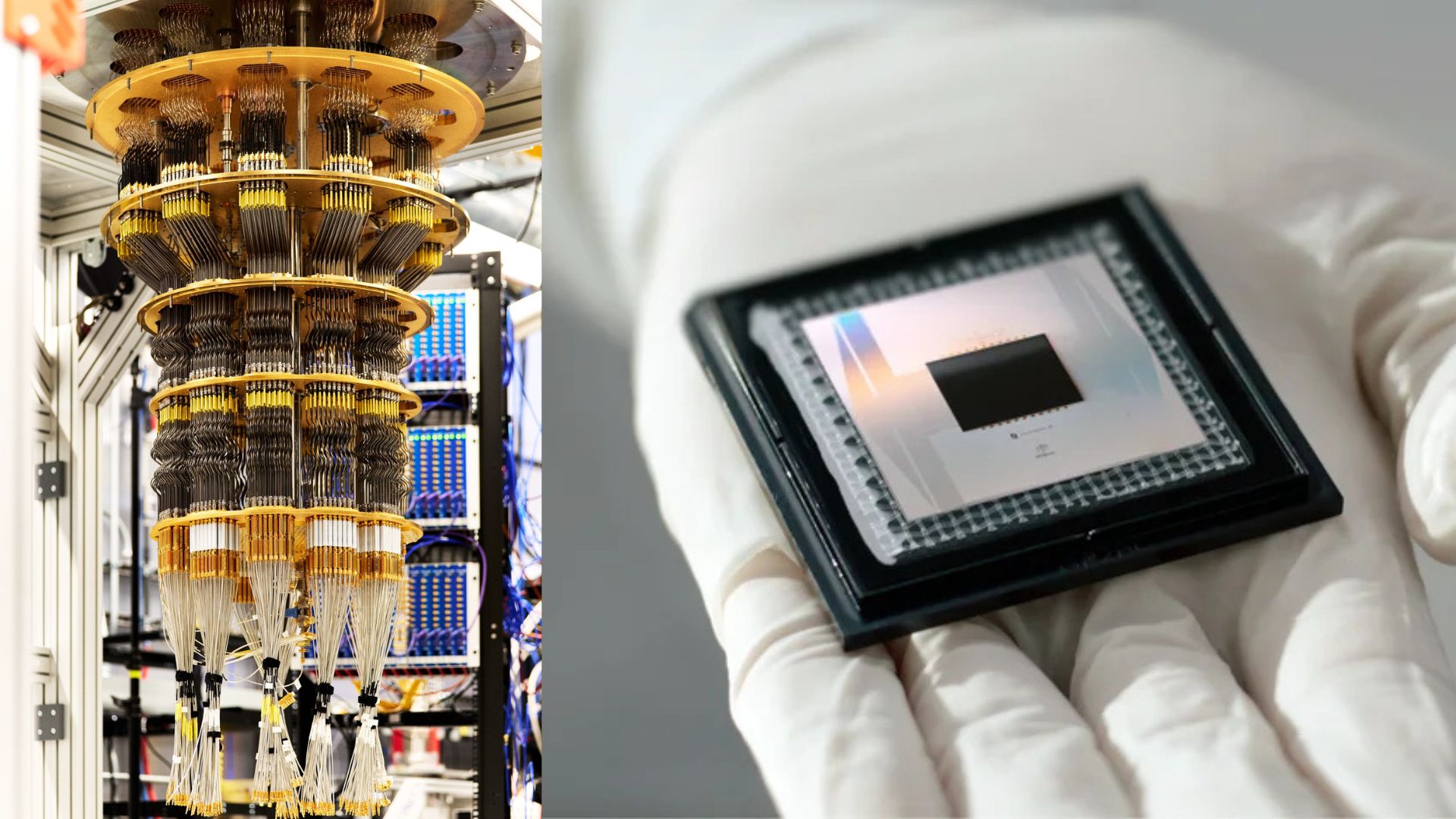
Industry peers are following a similar path to secure computing independence. OpenAI recently unveiled its Jalapeño inference processor, and Anthropic is exploring a chipmaking partnership with Samsung. For Google, the stakes remain high: after committing nearly $190 billion to AI infrastructure this year, the company faces mounting pressure to demonstrate tangible returns. The market reacted favorably to the news of the Frozen v2, with Alphabet shares climbing 3% on Monday ahead of the upcoming earnings report.
Comments (0)
No comments yet. Be the first!