
The propulsion system integrates a thermal engine with a 1-megawatt electric motor and controller, engineered by Collins Aerospace, and a battery suite provided by the Swiss firm H55 S.A. By deploying the electric motor during high-demand phases like takeoff and climb, the architecture is designed to optimize performance across the entire flight profile. Engineers project this configuration could yield a 30% improvement in fuel efficiency for standard 250-nautical-mile regional missions.
In section Releases
Pratt & Whitney Kicks Off Ground Trials for Hybrid-Electric Engine
The roar of a new propulsion era is echoing in Longueuil, Quebec, where Pratt & Whitney Canada has begun ground testing its flight-standard hybrid-electric system. This milestone marks a critical transition for the RTX project, moving the experimental technology from laboratory concepts to a physical, flight-ready configuration for the Dash 8-100.
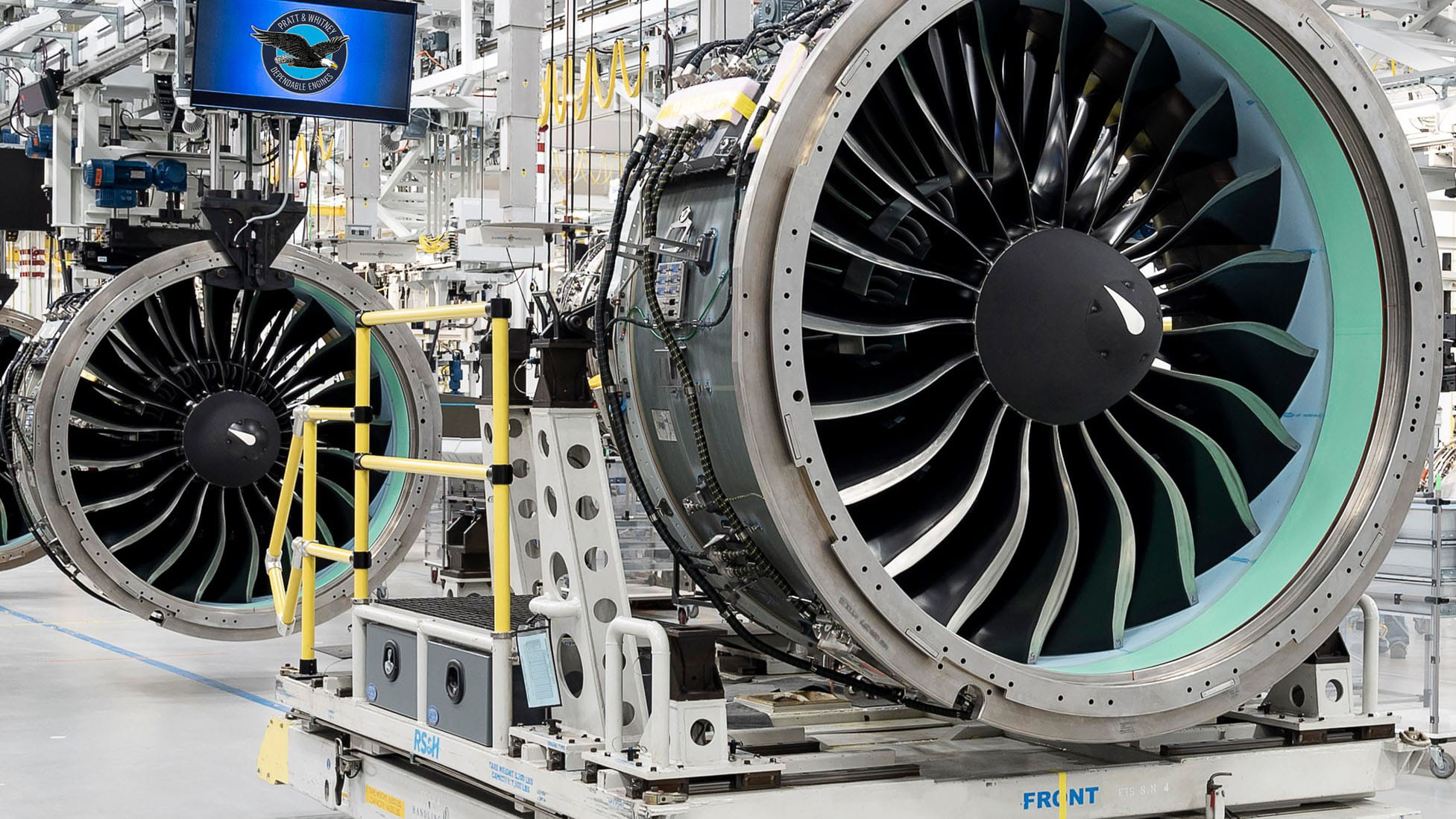
Jean Thomassin, executive director of New Products and Services Introduction, noted that finalizing this flight-standard hardware brings the team within reach of proving the technology in live conditions. Following the conclusion of current ground tests, the system will be integrated into a modified De Havilland Canada Dash 8-100 experimental aircraft, with maiden flight testing scheduled for 2027. The initiative relies on a broad coalition of partners, including GKN Aerospace, AeroTEC, Ricardo, and the National Research Council of Canada, with financial backing from the Canadian and Quebec governments.
Comments (0)
No comments yet. Be the first!