
Neurodevelopmental care shifts the focus from siloed therapy to a collaborative framework. Psychologists, psychiatrists, speech pathologists, and occupational therapists align their strategies to prevent treatment gaps. Schneider emphasizes that progress in one developmental domain, such as language acquisition, is frequently stalled if underlying anxiety or behavioral challenges remain unaddressed. By integrating these disciplines, practitioners ensure that clinical goals remain consistent across the child’s home and school environments.
In section Releases
Kelly Schneider on Integrated Care for Youth with Co-occurring Disorders
When a child faces both developmental disabilities and mental health struggles, treating these issues in isolation often fails. In a recent HelloNation feature, rehabilitation expert Kelly Schneider of the Easterseals Rehabilitation Center outlines a neurodevelopmental model that synchronizes specialized care to address the child’s needs as a cohesive whole.
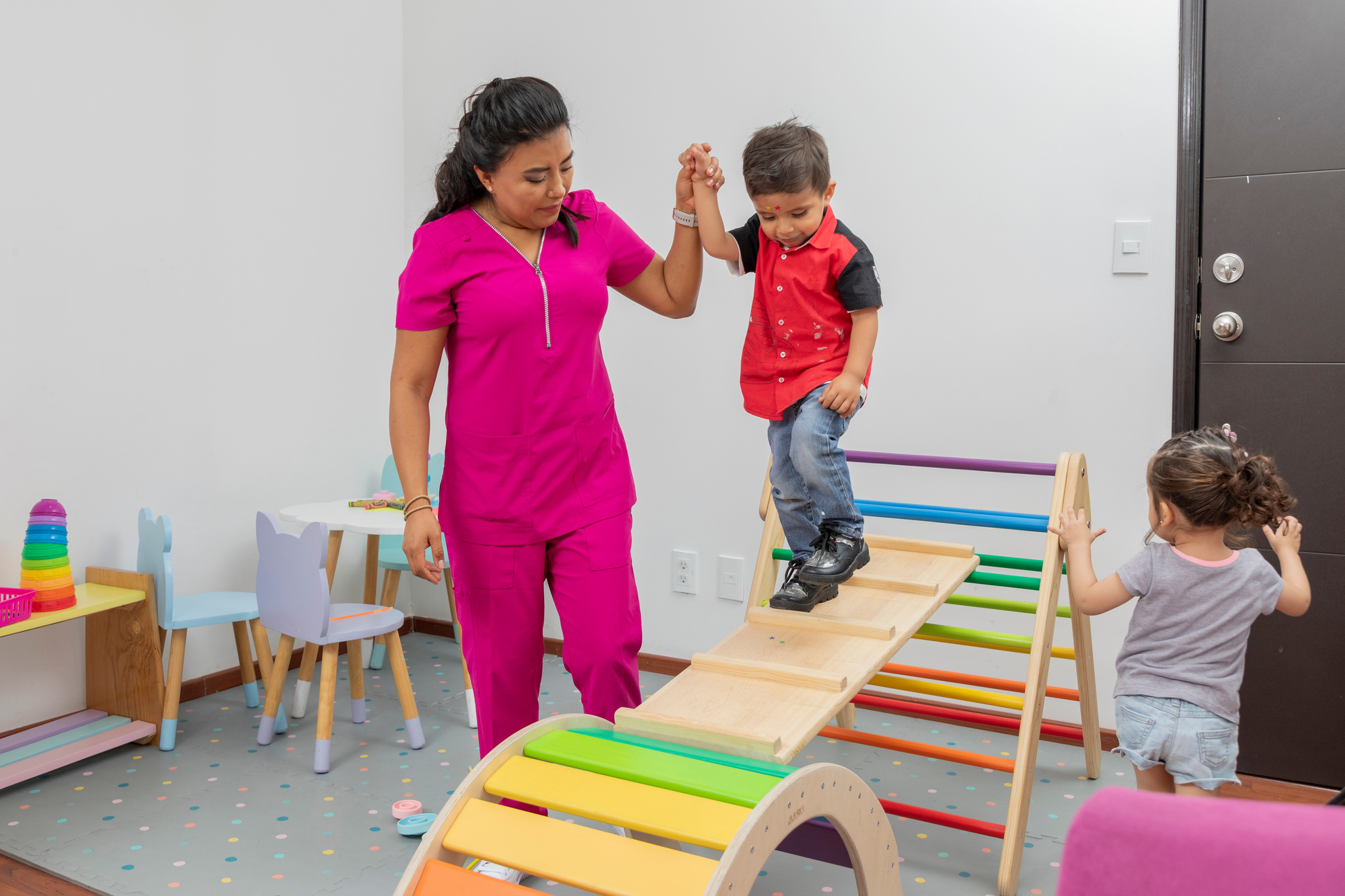
Families serve as the central pillar of this model. Parents provide the essential context regarding daily routines and emotional triggers, while clinicians equip them with specific tools to reinforce therapeutic goals at home. This continuity is vital, especially when navigating the complexities of early intervention, which Schneider identifies as the most effective path toward long-term independence. While systemic barriers—including insurance limitations and regional service shortages—persist, the shift toward integrated care is gaining momentum as a standard for improving emotional regulation and academic participation in youth.
Comments (0)
No comments yet. Be the first!