
The study, conducted by Motive Medical Intelligence, highlights a persistent gap between medical research and daily practice. For middle-aged patients with degenerative meniscus tears, landmark studies like the METEOR and FIDELITY trials have demonstrated that surgery offers little to no benefit over physical therapy or even sham procedures. Yet, the data reveals a stark divide in clinical behavior across the country. In South Dakota, 46% of these procedures are deemed low-value, whereas in New Jersey, that figure drops to 19%.
In section Releases
Geography Drives High Rates of Unnecessary Knee Surgeries
A patient’s odds of receiving an unproven knee surgery depend largely on their zip code, according to a new analysis of 100 million U.S. insurance claims. Despite clinical trials showing physical therapy is often just as effective, over 500,000 meniscectomies are performed annually at a $4 billion cost.
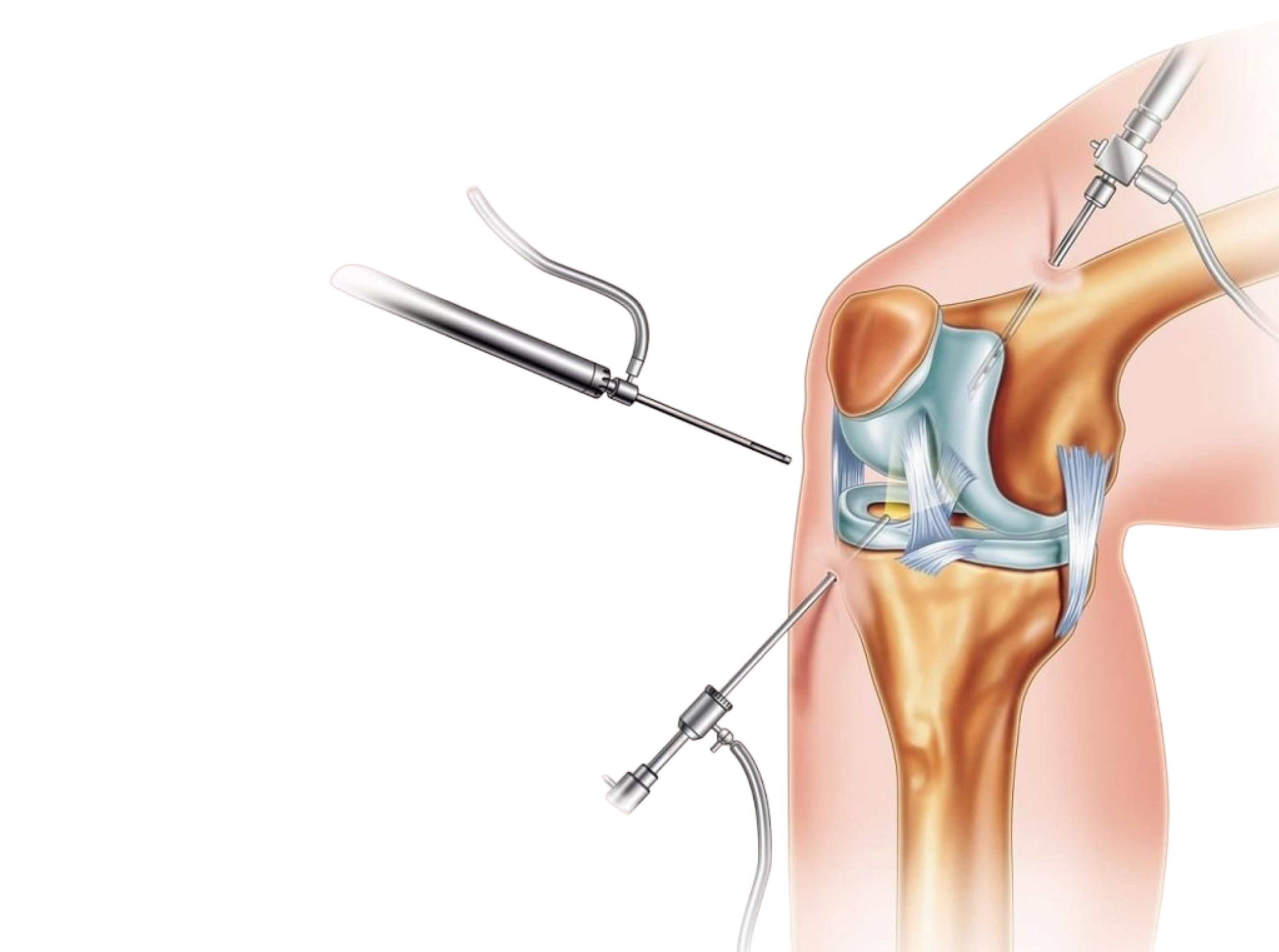
Even in states with the lowest rates, roughly one in five patients undergoes an operation that is unlikely to provide meaningful improvement in pain or function. According to Julie Scherer, PhD, Motive’s chief data scientist, this geographic variance proves that current practice is not dictated by clinical necessity alone. The American Academy of Orthopaedic Surgeons currently advises that surgery should be reserved for cases where conservative treatments have failed, yet the $4 billion price tag suggests that the procedure remains a routine default for many. By failing to integrate evidence-based standards, the healthcare system continues to expose patients to unnecessary risks and recovery times.
Comments (0)
No comments yet. Be the first!