
Utilities are increasingly prioritizing the maintenance and modernization of existing energy assets rather than investing in new builds. In OECD nations alone, over 200 gigawatts of coal-fired capacity now exceeds 40 years of service, necessitating extensive refurbishment of rotors, blades, and control systems. This trend is compounded by a shift toward condition-based maintenance strategies, where operators utilize diagnostic analytics to reduce downtime and improve plant availability.
In section Releases
Steam Turbine Aftermarket Projected to Hit $16 Billion by 2031
The global steam turbine aftermarket is set to reach a valuation of $16.02 billion by 2031, growing at a compound annual rate of 4.22% from its 2025 baseline of $12.50 billion. Aging infrastructure and the rising cost of unplanned outages are driving demand for lifecycle extensions over costly asset replacements.
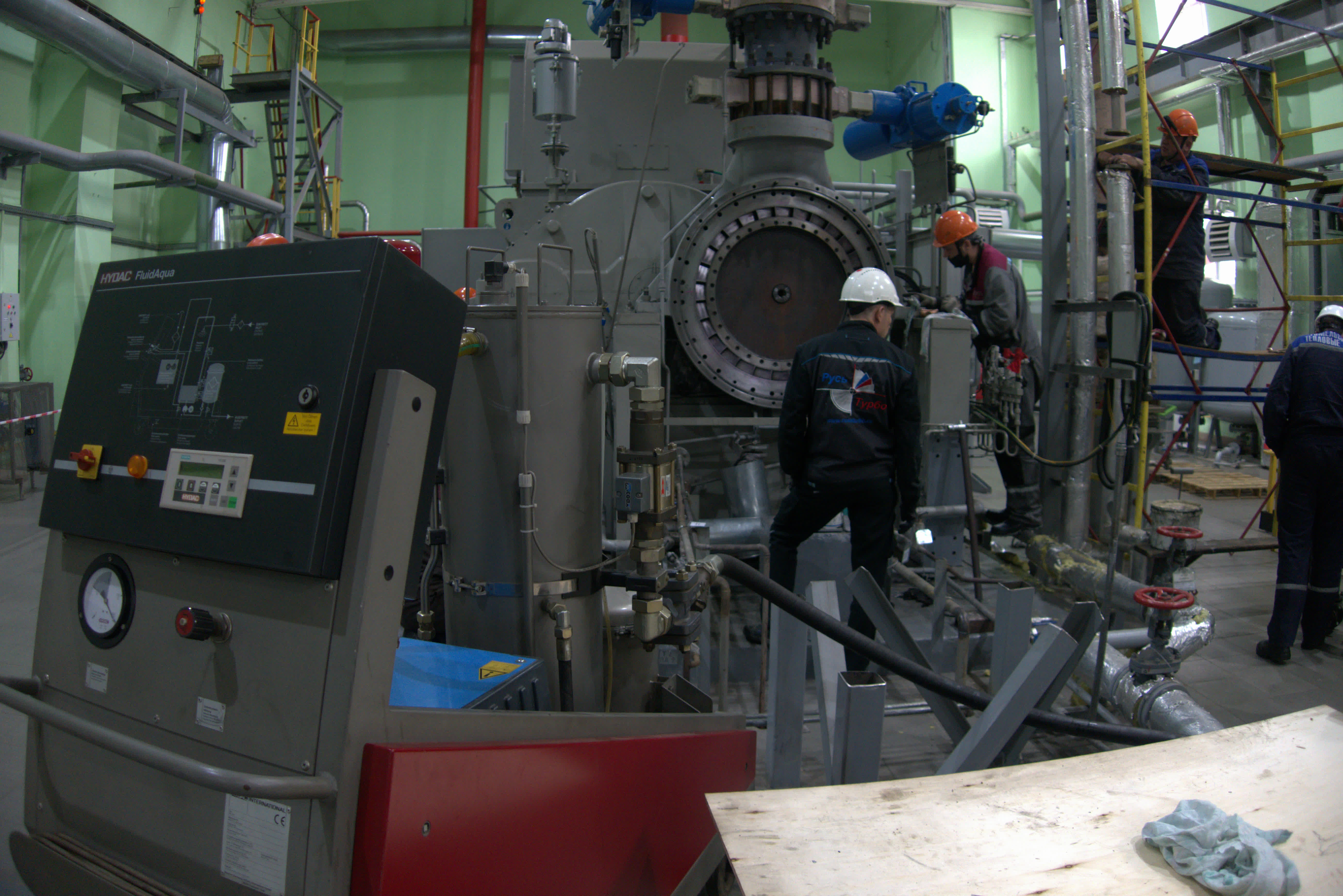
Operational requirements are also evolving as power grids integrate more variable renewable energy. With renewables expected to comprise 37% of electricity generation by 2030, steam turbines face more frequent starts and ramps, placing additional strain on hardware. Consequently, plant owners are channeling capital into performance upgrades to maintain efficiency. The Asia-Pacific region remains the primary engine for this growth, bolstered by a massive installed base and significant nuclear capacity expansion, particularly in China. Major industry stakeholders, including General Electric, Siemens, and Mitsubishi Heavy Industries, are now focusing on these critical service segments to capture long-term value from the aging global fleet.
Comments (0)
No comments yet. Be the first!