
In a prospective study of 10 patients, clinicians employed the imaging technology as an adjunct to standard surgical debridement. The device highlighted areas of bacterial burden that remained invisible to the naked eye after initial cleaning. Subsequent biopsies confirmed that these fluorescent zones contained the same pathogens responsible for the patient's infection, validating the device's accuracy in an orthopaedic setting.
In section Releases
Fluorescence Imaging Shows Promise in Treating Joint Infections
Surgeons at The Royal Orthopaedic Hospital in Birmingham have successfully utilized real-time fluorescence imaging to identify residual bacterial contamination during complex knee revision surgeries. This pilot study provides the first clinical evidence that the MolecuLight DX device can assist in navigating the critical challenges of periprosthetic joint infection.
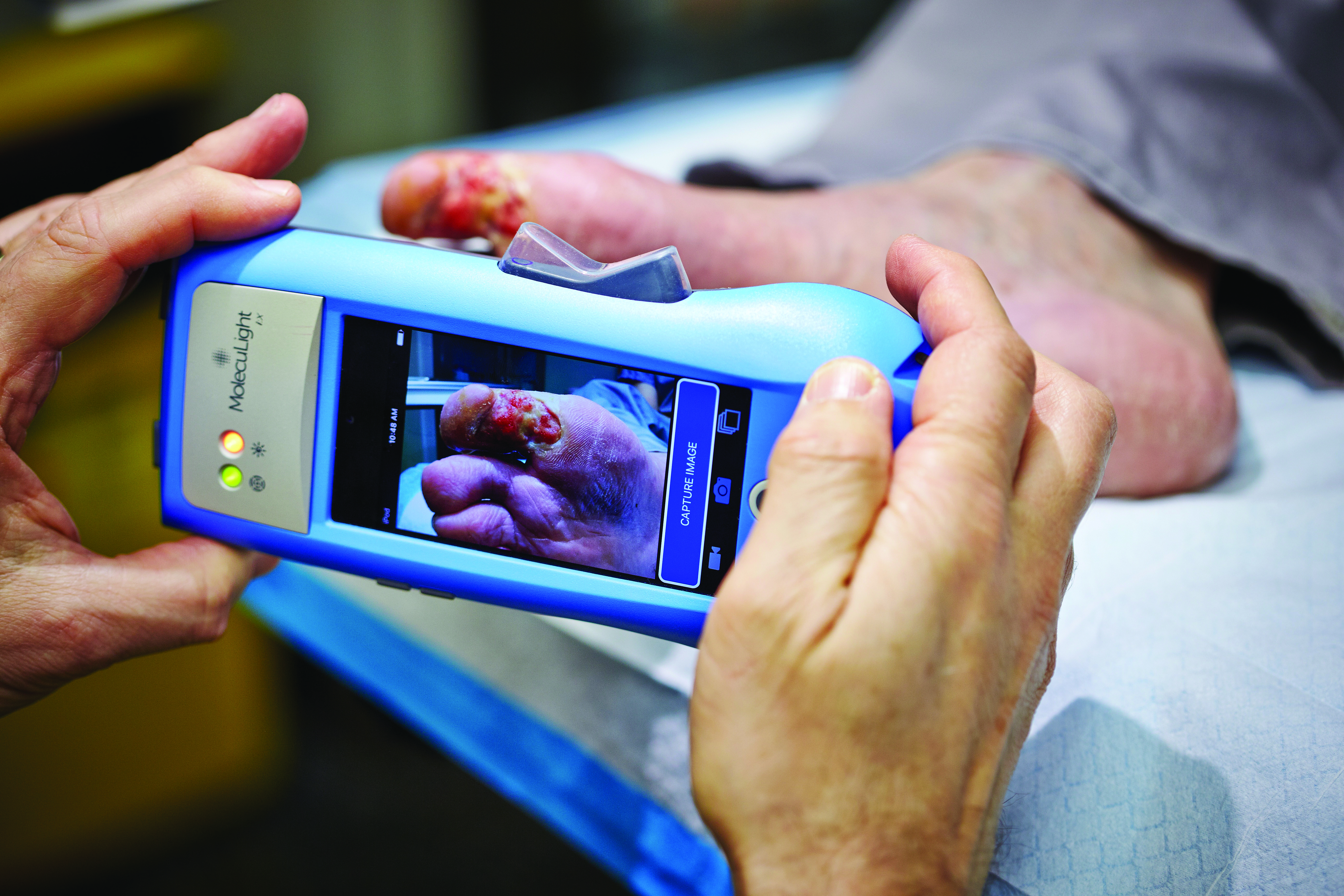
Professor Jonathon Stevenson, the study’s senior author, noted that the technology offers a potential leap forward in minimizing the recurrence of infections—a frequent and severe complication following joint replacement. While the findings establish a new use case for fluorescence imaging beyond its traditional role in chronic wound care, the research team emphasizes that larger clinical trials are necessary to standardize the practice and confirm its long-term impact on surgical outcomes.
Comments (0)
No comments yet. Be the first!