
Vonda McAllister, Director of Global Product Management at QuidelOrtho, argues that current clinical presentations are increasingly complex due to widespread polysubstance use. As counterfeit medications laced with fentanyl remain a pervasive threat, the Association for Diagnostics and Laboratory Medicine (ADLM) has issued new guidance to bridge the communication gap between emergency departments and diagnostic laboratories.
In section Releases
Evolving Toxicology: How New Synthetic Drugs Complicate ER Care
While U.S. overdose deaths have dropped for the third consecutive year, the illicit drug supply is growing more unpredictable, forcing a shift in clinical strategy. The latest episode of the Science Bytes podcast examines how counterfeit pills and emerging synthetic opioids like nitazenes are outpacing standard laboratory screening methods.
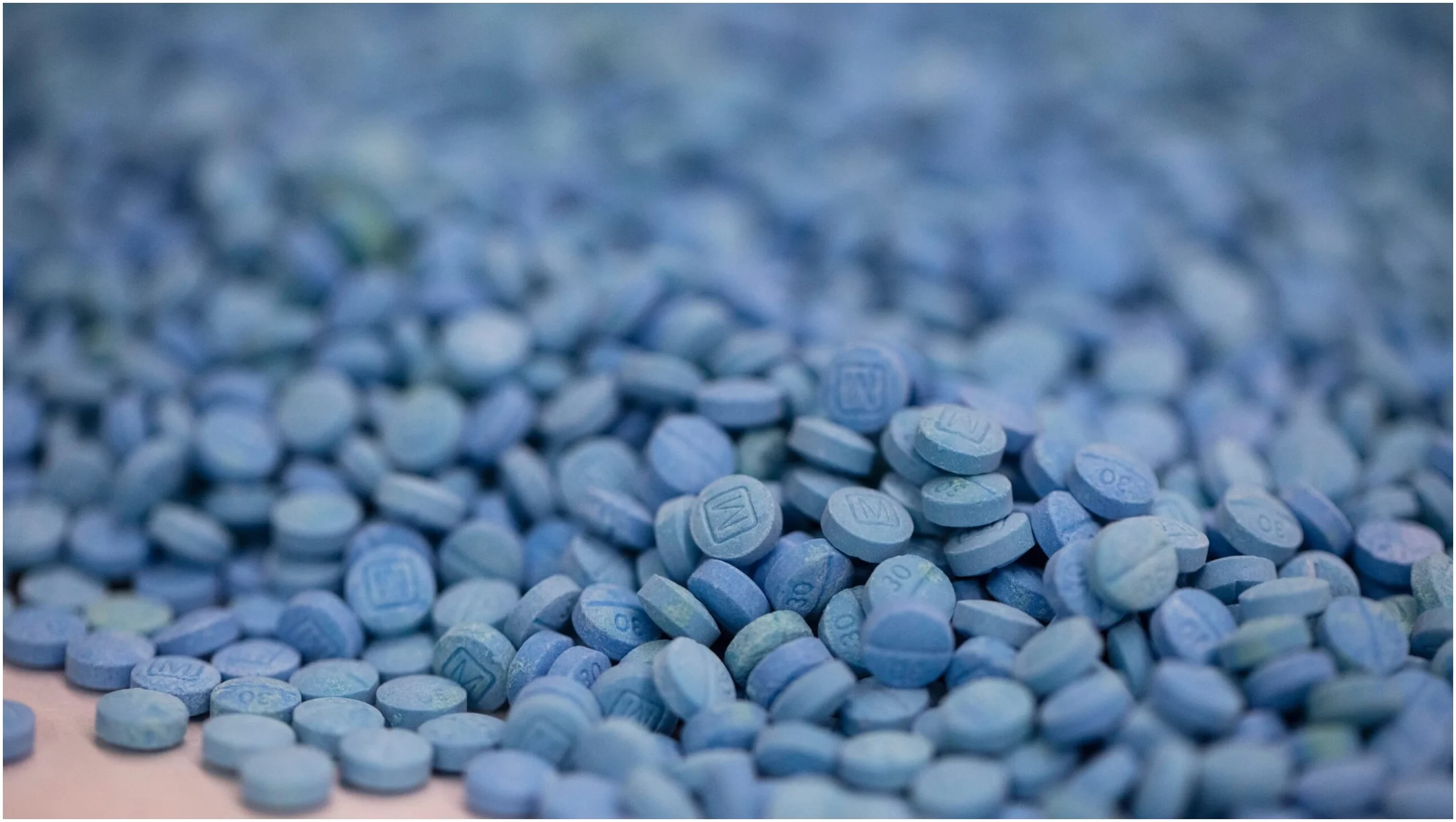
The core challenge lies in the rapid emergence of potent substances that evade routine toxicology panels. Clinicians now face a landscape where traditional testing may fail to identify the specific agents driving patient symptoms. By fostering tighter collaboration between lab teams and frontline medical staff, institutions aim to refine testing strategies and ensure that toxicology results translate into actionable patient care decisions. The discussion emphasizes that while mortality trends are encouraging, the technical requirements for detecting modern synthetic threats continue to demand constant adaptation in hospital settings.
Comments (0)
No comments yet. Be the first!