
The mission aims to determine if compact, power-efficient GPUs can outperform traditional, deterministic flight compute platforms in deep space. According to CEO Justin Cyrus, the goal is to shift from basic remote exploration toward a permanent human presence by building a capable robotic workforce. These units will navigate craters and complex terrain, such as the Reiner Gamma region, to gather data for NASA’s upcoming crewed missions.
In section Startups & Technology
Nvidia’s Jetson chips head to the Moon on autonomous rovers
Lunar Outpost, a robotics startup, is integrating Nvidia’s Jetson chips into its next-generation Moon rover to power onboard LiDAR systems. This deployment marks a significant technical experiment, as the company tests whether GPU-driven physical AI can withstand the harsh radiation and extreme temperature fluctuations of the lunar surface.
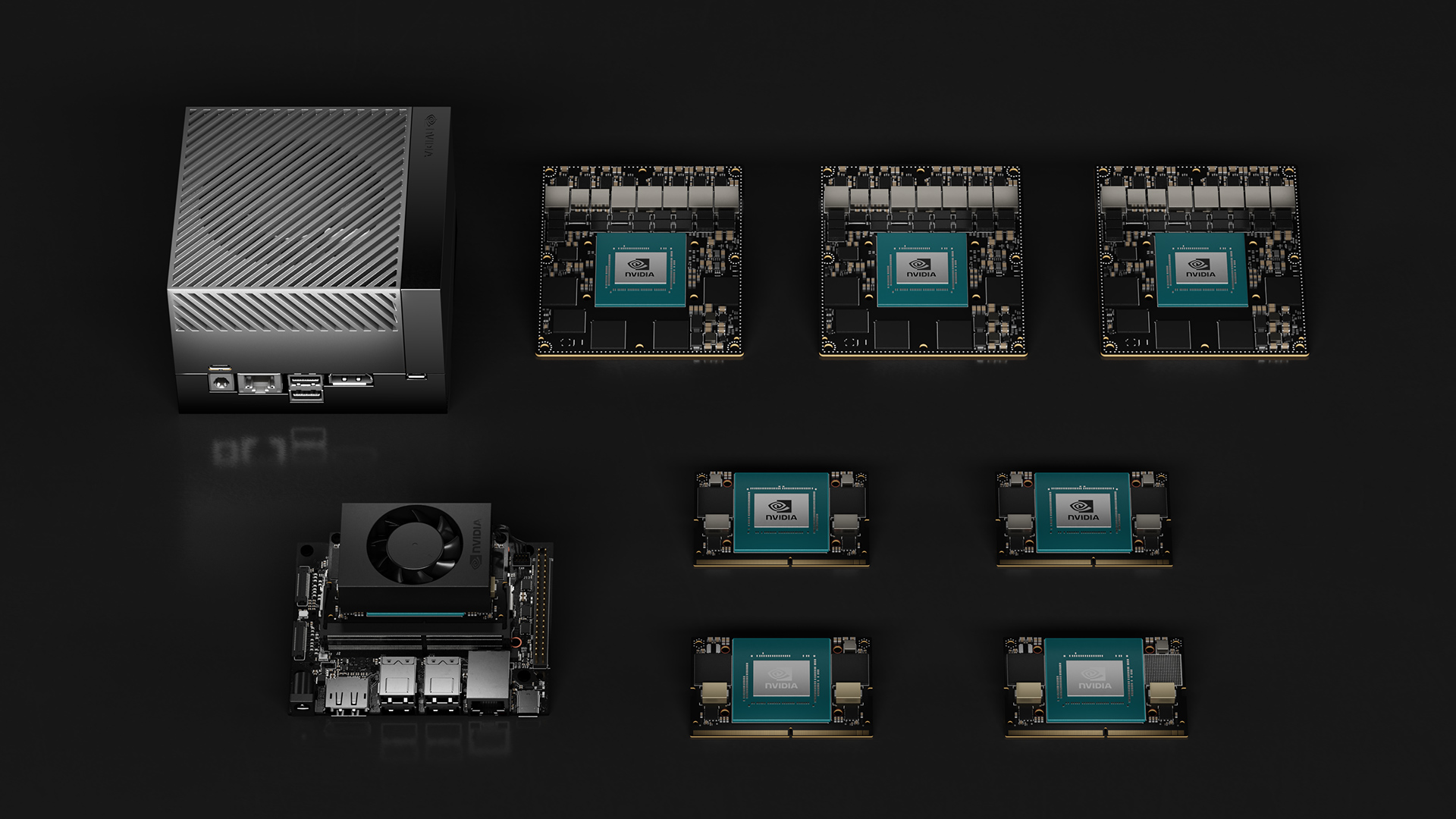
Nvidia is simultaneously expanding its space footprint through a partnership with Firefly Aerospace, which will utilize the Jetson platform on an orbiting satellite to process imagery and track lunar surface activity. These efforts rely on the same private-sector model NASA used for SpaceX, incentivizing companies to develop vehicles that can identify resources like water. While the hardware remains promising, the broader vision of autonomous lunar data centers hinges on the availability of reliable heavy-lift launch vehicles, including those from Intuitive Machines and Blue Origin.
Comments (0)
No comments yet. Be the first!