
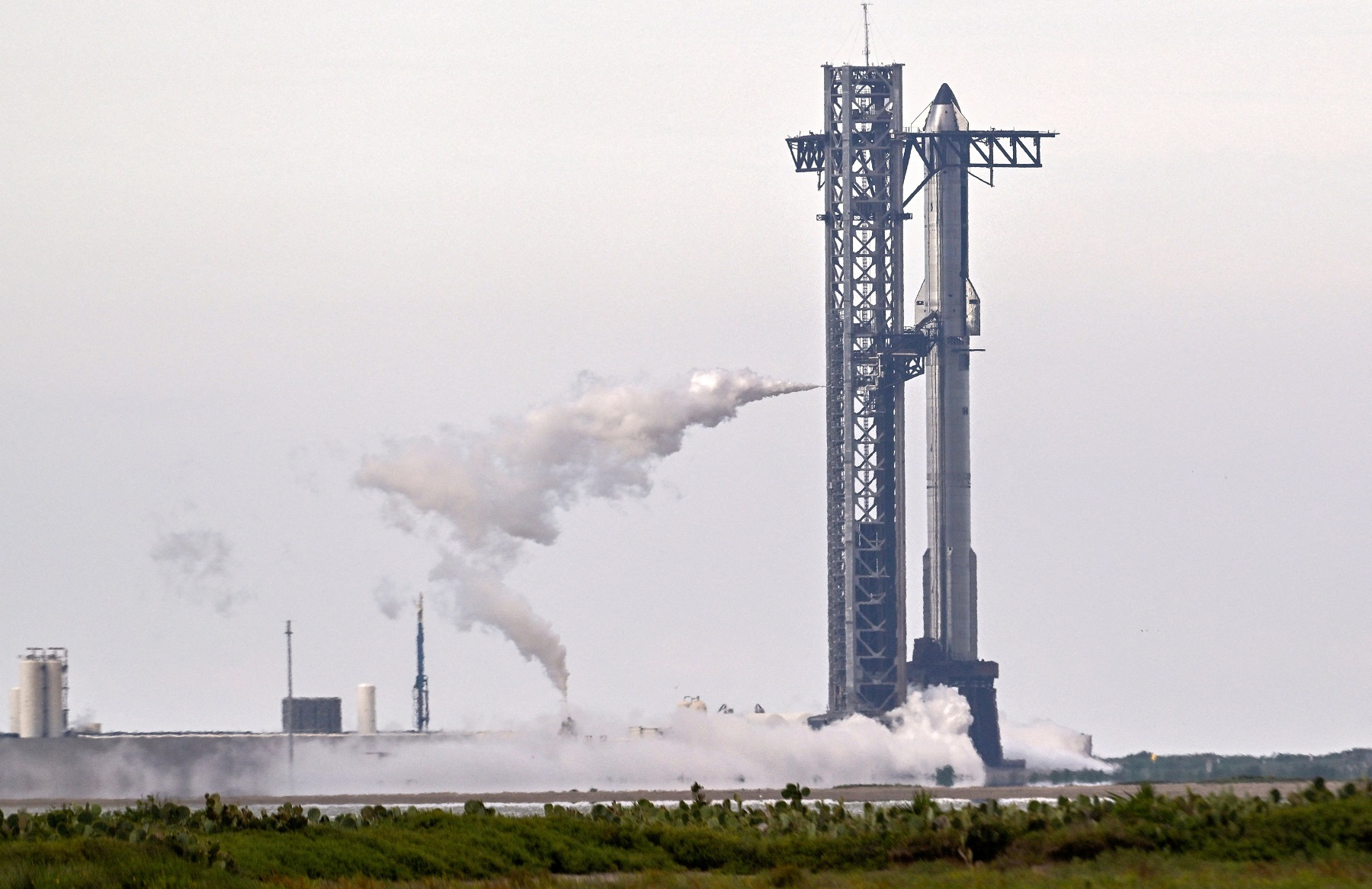
The failure occurred after the booster struggled to ignite the necessary engines during its descent, leading to a high-velocity impact with the water. This incident mirrors a similar complication from May, when the first V3 version of the booster faltered during stage separation. SpaceX had attempted this mission just over a week ago, but was forced to abort the launch on the pad after multiple engine failures prompted a rapid replacement of six power units.
Despite the booster's loss, the Starship upper stage demonstrated progress. Unlike the previous attempt in May, where an engine was lost during flight, the vehicle successfully deployed the new V3 Starlink satellites before their planned atmospheric reentry. Because Starship remains unable to achieve Earth orbit, these units are designed to incinerate shortly after deployment.
Comments (0)
No comments yet. Be the first!