
The testing phase, which commenced Tuesday, employs human safety operators to monitor the fleet within the London borough of Brent. This initiative follows a strategic partnership formed last year to integrate Baidu’s purpose-built robotaxis into the European market using the infrastructure of Freenow, the mobility app Lyft acquired in 2025 for approximately $197 million. The companies aim to open the service to the general public by 2027, provided they secure necessary regulatory clearance.
In section Startups & Technology
Baidu and Lyft launch London robotaxi trials
London’s streets have become a testing ground for autonomous transit as Baidu begins road trials for its Apollo Go RT6 vehicles. Partnering with Freenow by Lyft, the Chinese tech giant is navigating a crowded field of competitors, including Waymo and Uber, all racing to capture the capital’s nascent driverless market.
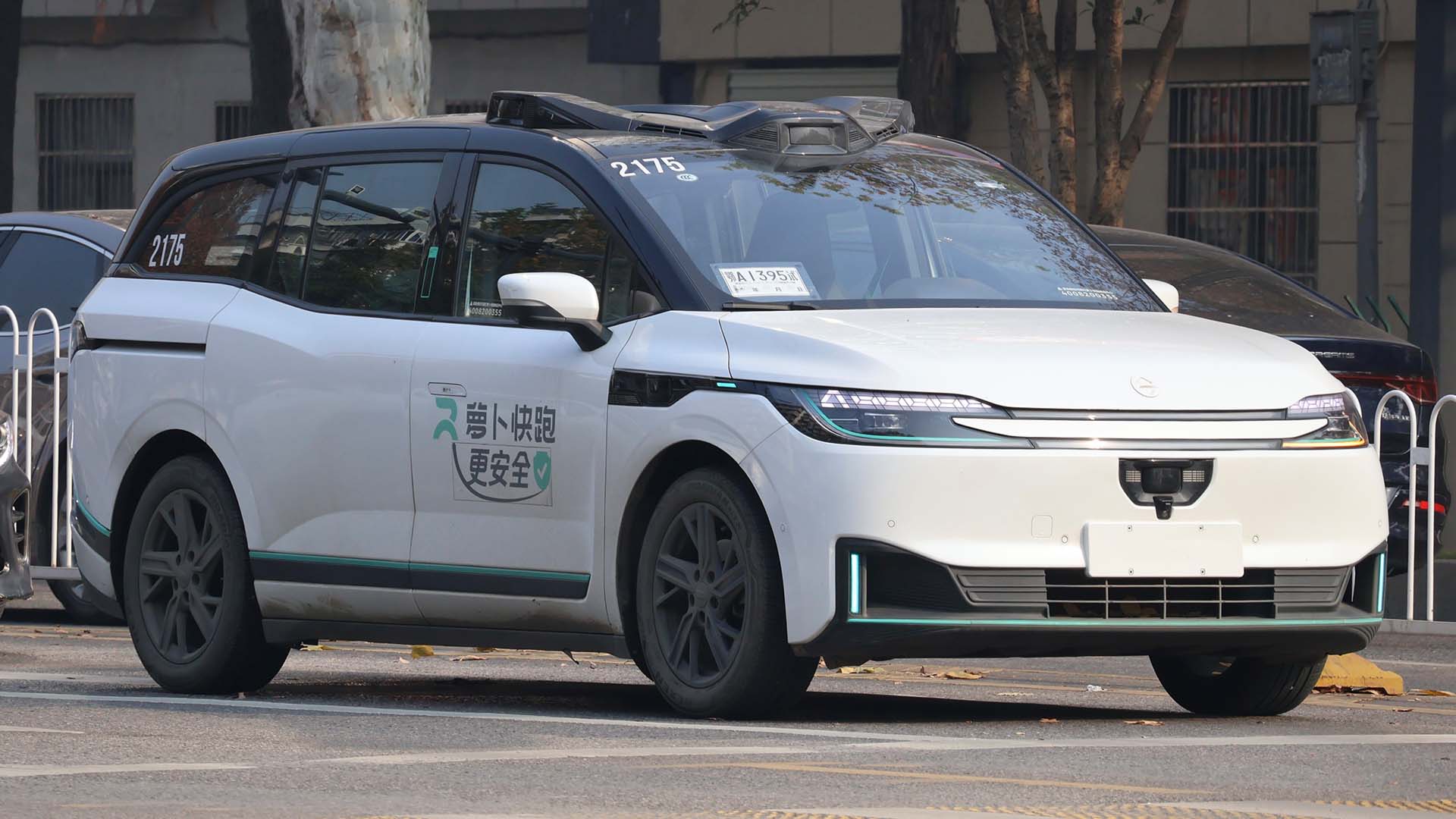
London currently faces a surge in autonomous vehicle activity. Waymo began similar supervised testing in April, while Uber and its partner Wayve are preparing a separate service launch. Freenow by Lyft intends to utilize a hybrid model, maintaining a fleet of human-driven taxis alongside the automated vehicles to ensure service continuity. Thomas Zimmermann, CEO of Freenow by Lyft, emphasized that the transition is intended to support professional drivers rather than replace them, as the firm continues negotiations with Transport for London and the Centre for Connected and Autonomous Vehicles to align with developing UK safety standards.
Comments (0)
No comments yet. Be the first!