The Strategic Role of Drop-Off Catering in Modern Event Planning
For hosts balancing quality with logistical simplicity, drop-off catering has emerged as an essential alternative to full-service dining. Colin Neville, operations manager at Madeline's Catering in Rochester, argues that by removing the need for on-site service staff, this model offers a flexible solution for corporate meetings and informal social gatherings.
By Money Talk·July 28, 2026·2 min read·1,451 reads
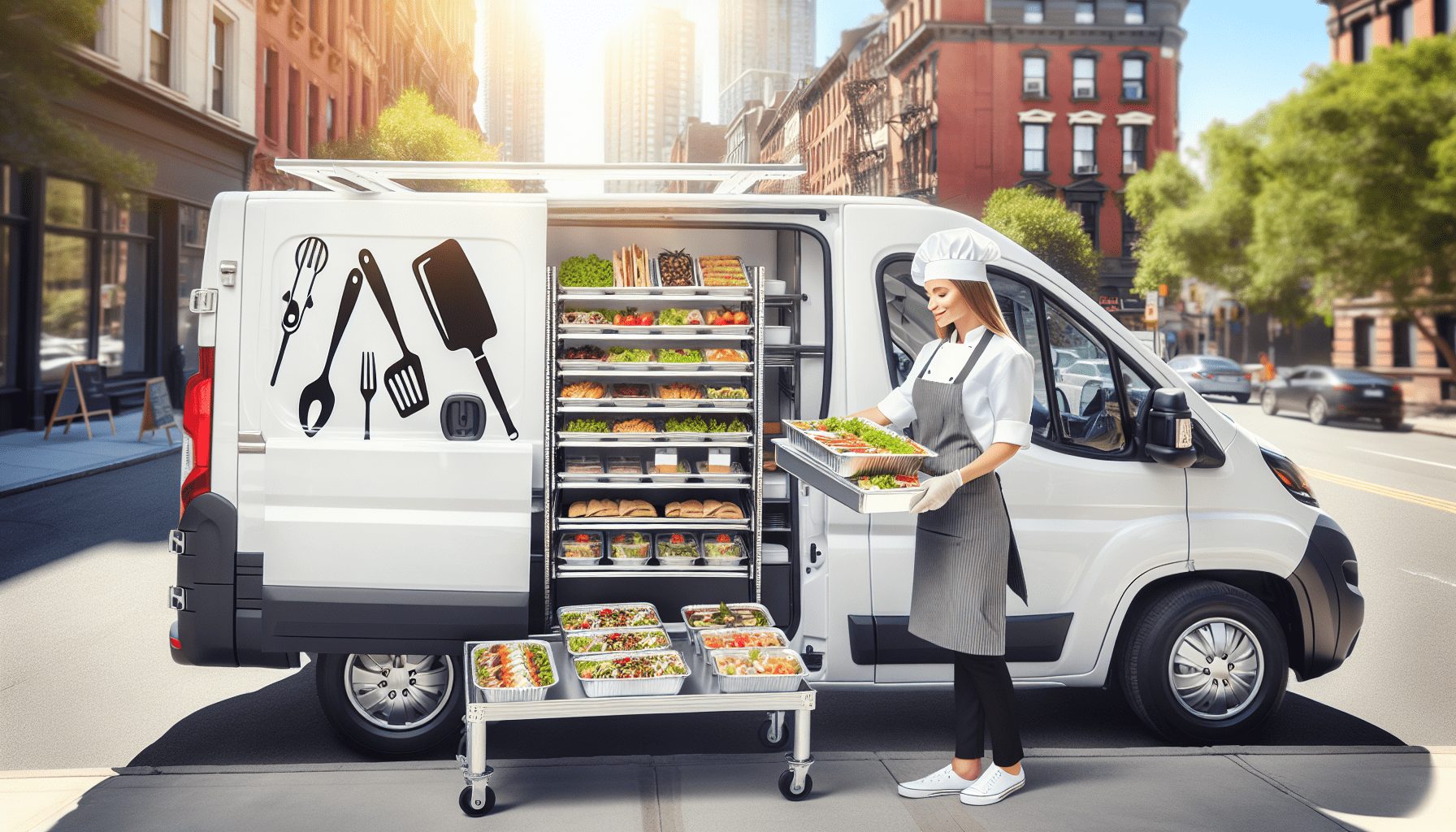
The core appeal of drop-off catering lies in its streamlined delivery. Food arrives fully prepared and packaged, allowing hosts to manage service independently. Because catering companies handle preparation and transport while bypassing the labor costs of servers and setup crews, the model provides significant savings for businesses hosting frequent training sessions or employee events.
Flexibility remains a defining feature of this approach. Without the constraints of formal staffing or complex equipment rentals, meals can be staged in varied environments, from office boardrooms to private residences. Neville notes that this adaptability extends to menu design, where providers can accommodate specific dietary requirements—such as gluten-free or vegan options—without sacrificing the efficiency of the delivery.
While the convenience of disposable or recyclable serving ware simplifies cleanup, the model does have functional boundaries. It lacks the hands-on management required for black-tie galas or high-profile events where table service and beverage management are expected. For the majority of mid-scale occasions, however, drop-off catering strikes a balance between professional culinary standards and logistical ease, ensuring that the focus remains on the event rather than the overhead.

Comments (0)
No comments yet. Be the first!