
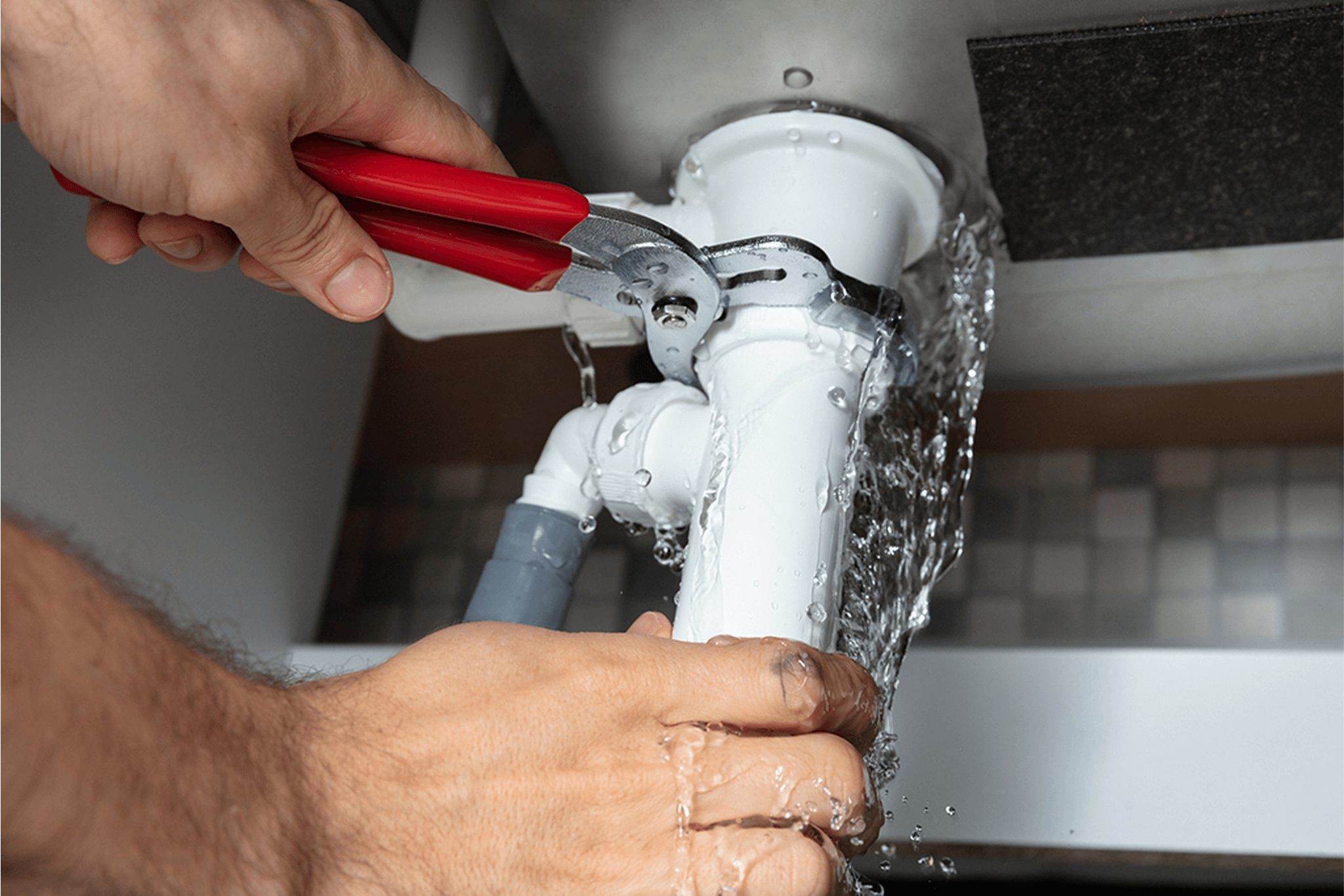
The most effective defense against flooding is immediate access to the home’s main water shutoff valve, typically found near the water meter in basements or utility areas. Turning this valve clockwise stops the flow throughout the entire property, while individual valves under sinks or toilets can isolate smaller leaks. Once the supply is severed, opening cold-water taps throughout the house helps drain remaining pressure, preventing further stress on damaged pipes. If the issue stems from a malfunctioning water heater, cutting both the water supply and the power source is necessary to prevent overheating or electrical hazards.
Controlling standing water is the next priority. Using towels, mops, or wet-dry vacuums limits moisture penetration into flooring and baseboards, which significantly lowers the risk of long-term mold growth. Moving furniture and electrical cords away from the spill prevents secondary damage and potential shock. Throughout this process, residents should avoid using any water-dependent appliances, such as dishwashers or washing machines, to prevent wastewater from backing up into the system.
Comments (0)
No comments yet. Be the first!