
Under Alabama law, every motorist bears a duty to exercise reasonable care, a standard that intensifies for commercial truck operators. Because of the sheer mass and momentum of heavy vehicles, these drivers are legally obligated to proactively adjust their speed and following distance when conditions deteriorate. When a collision occurs, investigators do not blame the storm; they evaluate whether the driver failed to adapt to the reality of the road.
In section Releases
Alabama Trucking Liability and the Myth of Weather-Related Immunity
Rain, fog, and slick pavement do not grant truck drivers a legal pass for accidents on Alabama highways. According to Huntsville-based personal injury attorney Missy Wigginton, the presence of hazardous weather serves as a backdrop for liability investigations rather than an automatic excuse for negligent driving behavior.
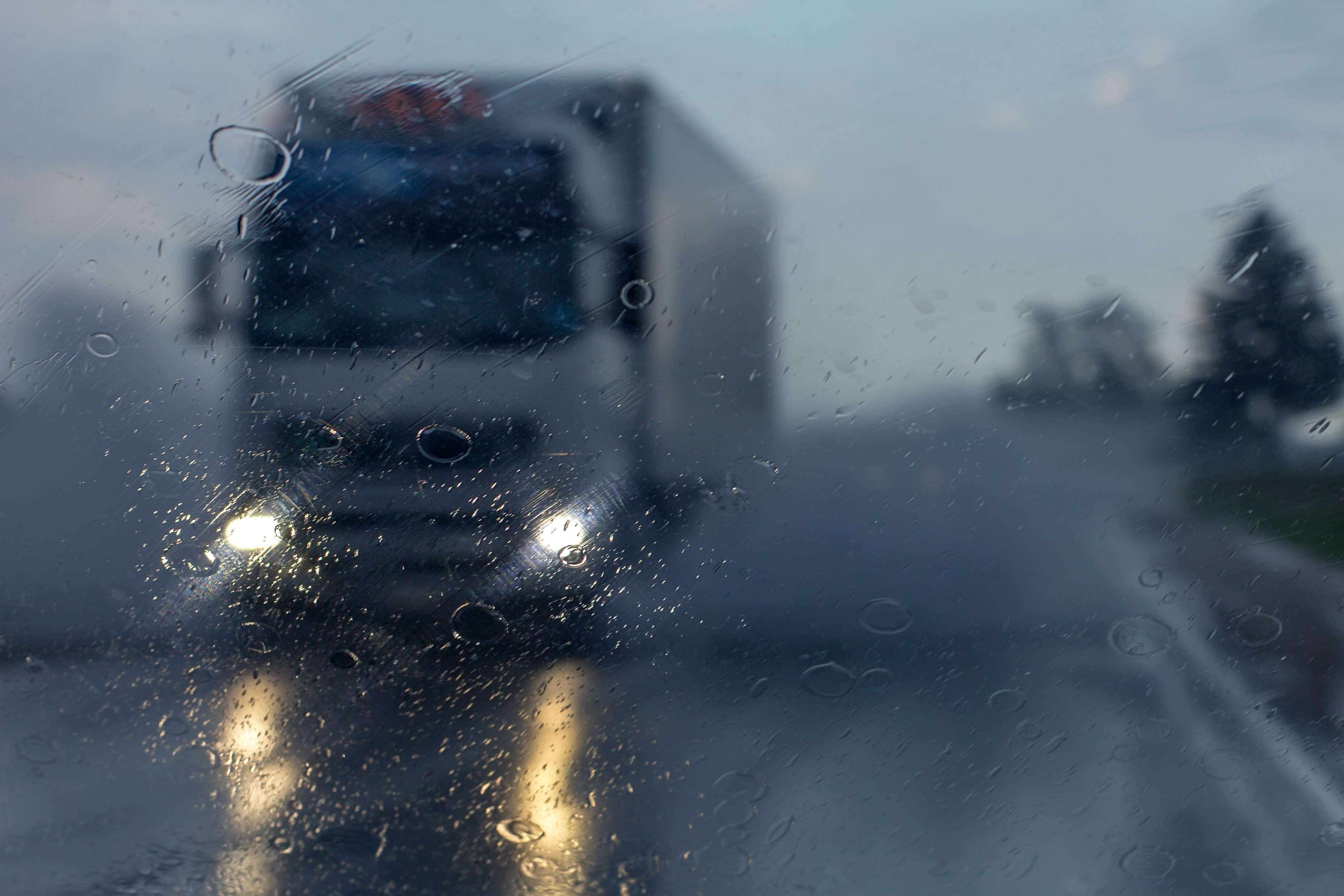
Proving negligence often requires a deep dive into the sequence of events leading to a crash. Investigators synthesize police reports, dash camera footage, and electronic logging device data to determine if a driver maintained a safe speed or allowed sufficient stopping distance. Mechanical condition also plays a critical role, as poorly maintained brakes or tires can exacerbate the dangers of hydroplaning or low visibility. If a trucking company’s scheduling pressures or inadequate maintenance protocols contributed to the driver’s inability to navigate safely, they may also face legal scrutiny. Ultimately, the burden remains on the driver to navigate the elements with caution, ensuring that weather-related risks do not escalate into preventable tragedies.
Comments (0)
No comments yet. Be the first!