
Many patients prioritize the appearance of their legs, seeking quick fixes like laser treatments or sclerotherapy to remove visible veins. However, these procedures often target symptoms rather than the root cause. If a vein fails to return blood to the heart effectively, cosmetic improvements may be short-lived, leading to repeat procedures and mounting costs. A duplex ultrasound serves as the diagnostic standard to detect hidden reflux or venous damage that remains invisible to the naked eye.
In section Releases
Beyond the Surface: Why Vein Treatment Requires a Deeper Look
Fixing spider veins or varicose skin markings may be a purely cosmetic goal for many, but treating the surface without evaluating the underlying vascular system often leads to recurring issues. According to Dr. Hratch Karamanoukian, a Williamsville-based vein expert, failing to look deeper can mask serious health risks.
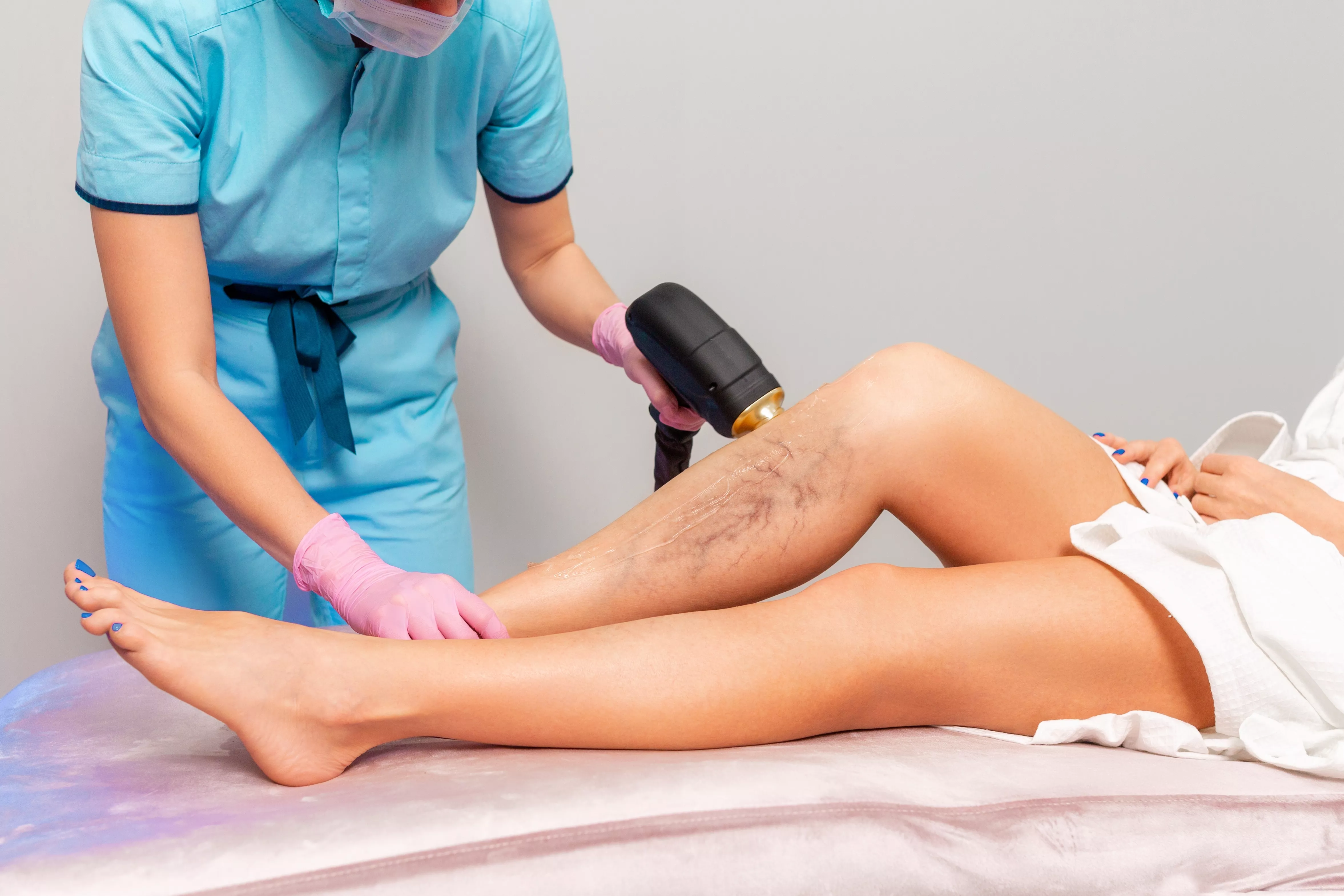
Ignoring these internal issues carries real medical weight. Untreated venous insufficiency can escalate into chronic leg swelling, venous ulcers, or deep vein thrombosis. Dr. Karamanoukian stresses that a thorough review of a patient’s medical history—including past blood clots or family history of vein disease—is essential before any cosmetic intervention. By integrating medical diagnostics with aesthetic goals, specialists can determine if a patient requires minimally invasive procedures, such as ambulatory phlebectomy, or if surface-level treatments are sufficient. Pairing these clinical evaluations with preventive measures like compression stockings helps stabilize blood flow, ensuring that aesthetic results are supported by long-term vascular health.
Comments (0)
No comments yet. Be the first!