
The HBF standard, now disclosed via the Open Compute Project, marks a significant shift toward open industry architecture. By positioning HBF as a memory layer between traditional HBM and SSDs, the consortium—which includes Google and Tenstorrent—seeks to solve the capacity and bandwidth bottlenecks that currently plague AI inference tasks. The specifications support capacities up to 512GB and offer three performance grades ranging from 0.4TB/s to 3.0TB/s.
In section Releases
SK hynix and Sandisk Unveil Open Standard for High Bandwidth Flash
SK hynix has released the first standard specifications for High Bandwidth Flash (HBF) in collaboration with Sandisk, aiming to bridge the gap between HBM and SSD storage. Unveiled at FMS 2026, the technology utilizes the UCIe interface to provide scalable bandwidth for AI-driven data centers and complex computing architectures.
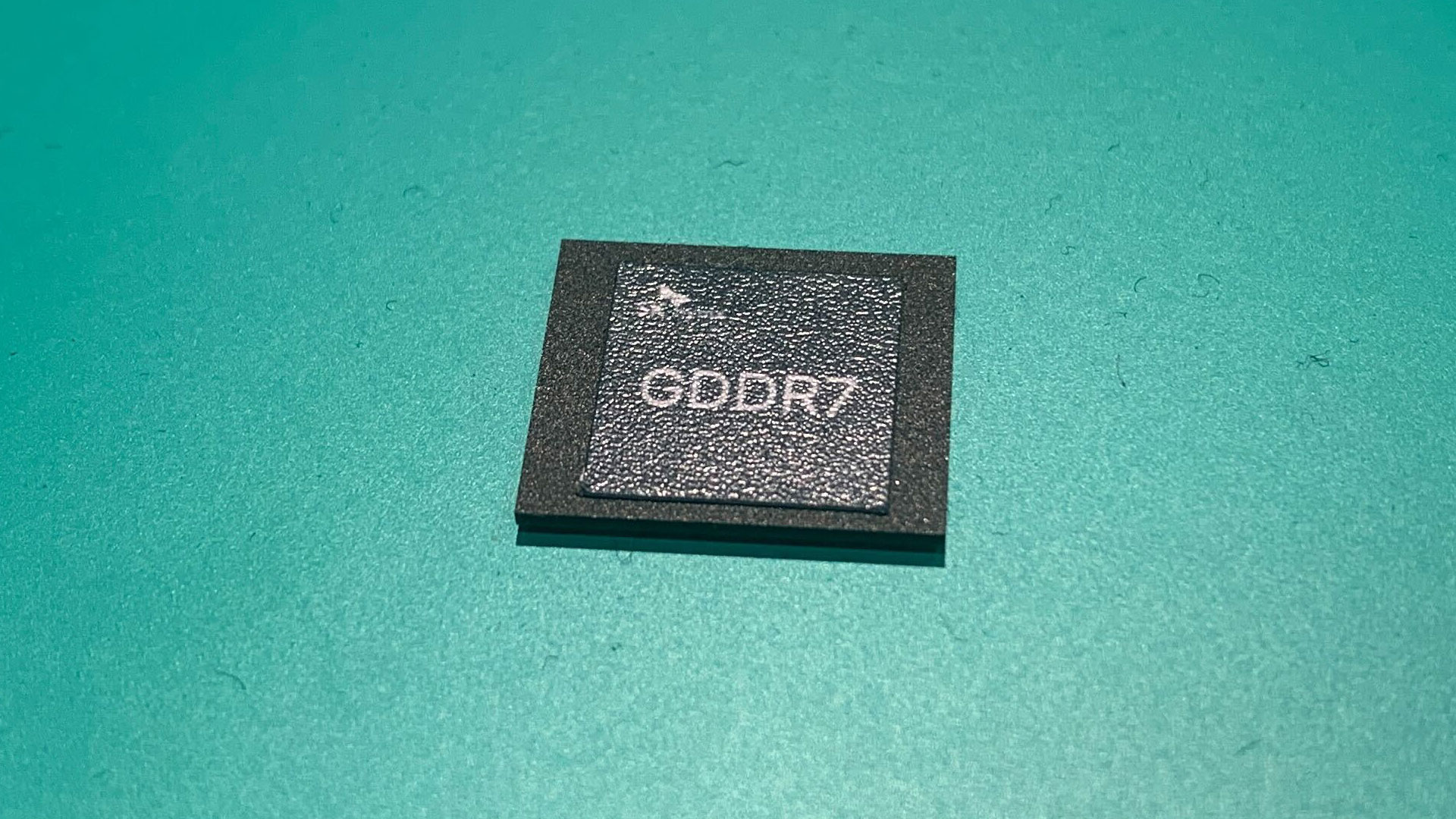
At the FMS 2026 exhibition in Santa Clara, SK hynix is also showcasing its 375-layer 4D NAND (V10) technology. This tenth-generation NAND delivers a 2.5-fold increase in power efficiency compared to its predecessor, with mass production of high-capacity eSSDs slated for early next year. Executive Vice President Kim Chun-sung emphasized that the move toward 'Tiered Memory' architectures is essential as Agentic AI demands more autonomous and efficient data processing capabilities. The company will further detail these developments through a series of keynotes and panel discussions featuring leadership from Google DeepMind and Sandisk throughout the event.
Comments (0)
No comments yet. Be the first!