
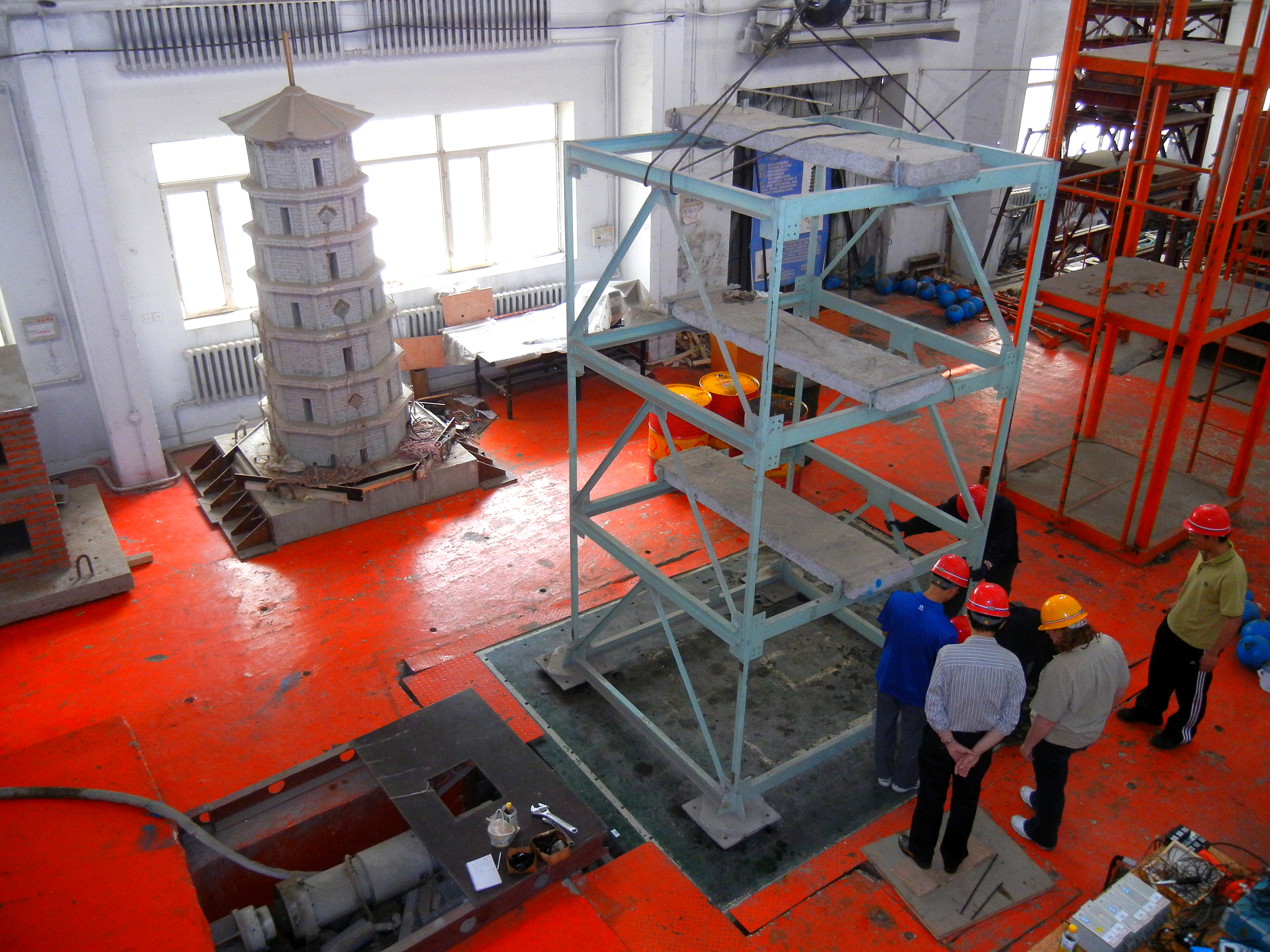
Located on the Eurasian Seismic Belt, both China and Pakistan face a shared reality: approximately 15 percent of the world’s earthquakes occur along this path. For Belt and Road Initiative partner countries, seismic activity and extreme weather have caused cumulative economic losses exceeding one trillion RMB over the past two decades. According to Professor Xu Zhaodong of Southeast University, the primary challenge remains the lack of advanced, data-driven systems capable of monitoring cascading disaster mechanisms.
The laboratory serves as a hub for interdisciplinary innovation, integrating civil engineering with AI and information management. Since its inception, the partnership has evolved from early experiments in viscoelastic damping at Pakistan’s Vision High School to a comprehensive framework for R&D and standard formulation. For researchers like Khan Shahzada, who shifted his career toward earthquake engineering following the 2005 disaster, the facility offers access to world-class technology to develop construction guidelines for stone masonry structures.
Comments (0)
No comments yet. Be the first!