
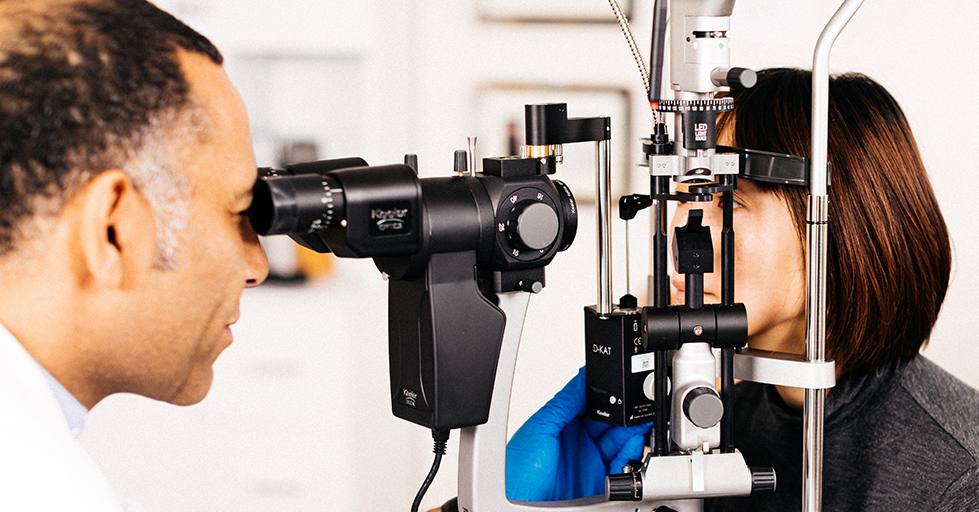
As the eye’s lens loses flexibility, tasks once taken for granted—reading a smartphone or scanning a menu—frequently become labor-intensive. Early markers of this decline include persistent headaches, eye strain, and a subconscious tendency to extend reading material further from the face. Dr. Franz notes that increased light sensitivity often accompanies these changes, particularly in dim environments where the eye struggles to maintain clarity without additional illumination.
While traditional reading glasses offer a simple fix for close-up tasks, they require constant removal for distance viewing. Progressive lenses have emerged as the preferred alternative, providing a seamless transition between near, intermediate, and far focal points. This is particularly relevant for modern professionals who constantly toggle between digital screens, physical paperwork, and driving. Beyond lens selection, managing the environmental stressors of aging eyes is vital. Reduced tear production often leads to chronic dryness, while increased glare—especially from headlights during night driving—can be mitigated with specialized anti-reflective coatings.
Comments (0)
No comments yet. Be the first!