
The Optus satellite, launched in 2009, was originally slated for retirement after 15 years. By outsourcing its station-keeping to Northrop’s fleet, the operator expects to squeeze six additional years of revenue from the hardware. The replacement mission, scheduled for 2027, will utilize the Mission Robotic Vehicle (MRV) to attach a Mission Extension Pod (MEP) to the satellite. Unlike the older vehicles that physically gripped thruster nozzles, the MRV employs advanced robotic arms developed with DARPA to install these modular pods, which provide permanent propulsion upgrades.
In section Startups & Technology
Northrop Grumman Upgrades Orbital Repair Fleet
A Northrop Grumman Mission Extension Vehicle has detached from an Optus communications satellite, ending its multi-year docking run. This maneuver clears the path for a new generation of robotic craft designed not just to nudge aging satellites into place, but to actively upgrade them with modular propulsion systems.
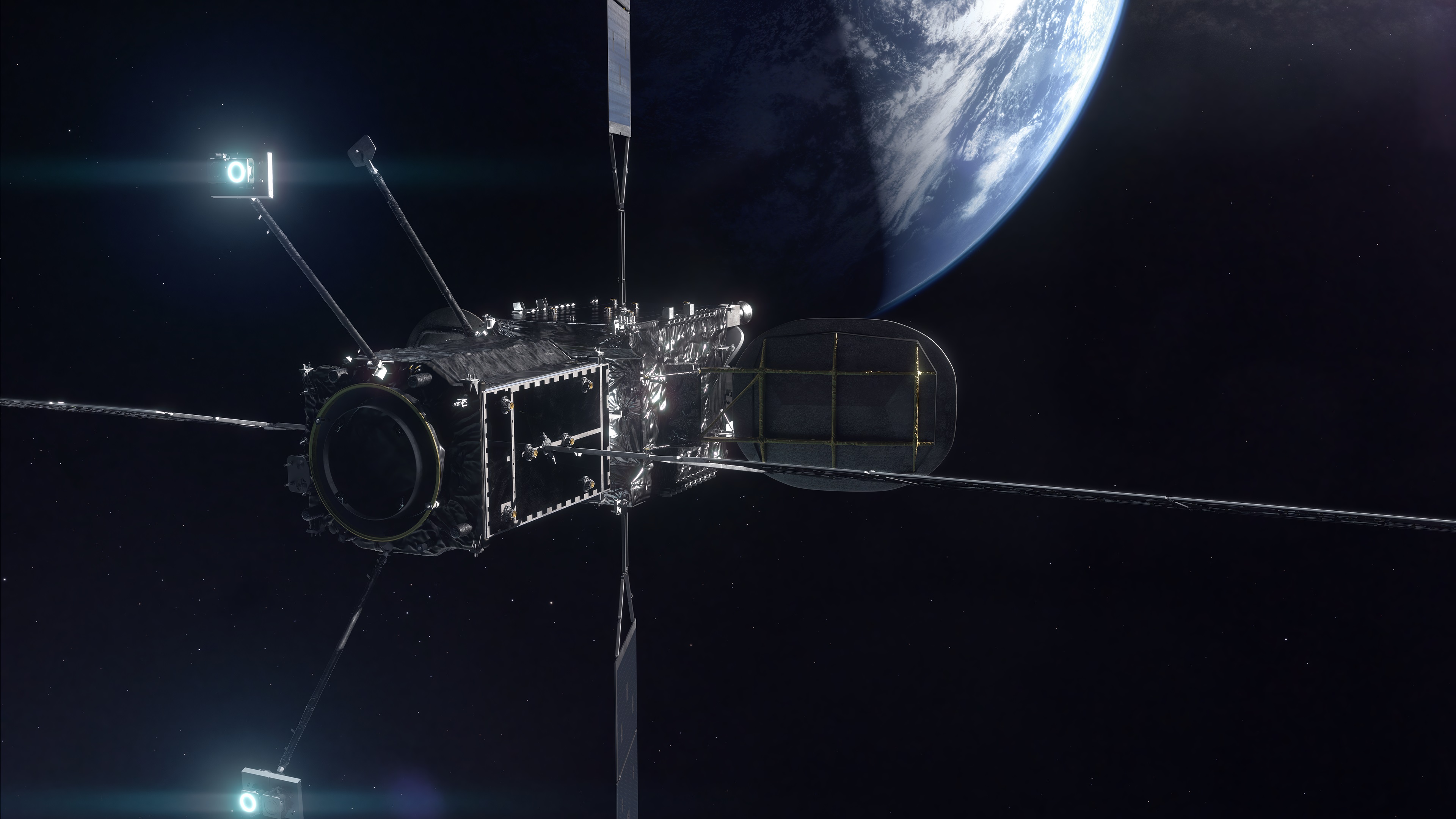
This shift moves satellite maintenance from simple life-extension to active infrastructure management. The MRV itself is designed for in-orbit refueling, a critical proof of concept for sustained operations. While competitors like SpaceX focus on deploying constellations of cheap, replaceable satellites in low Earth orbit, Northrop is betting that high-value, large-scale assets in higher orbits remain worth the cost of repair. Cassie Wong, Northrop’s director of logistics and servicing, views this as a necessary evolution toward a more resilient space architecture. The technology carries strategic implications, particularly as the U.S. Space Force monitors the dual-use potential of robotic arms in orbit, though Northrop maintains its focus strictly on commercial and defense maintenance missions.
Comments (0)
No comments yet. Be the first!