
The strategy aims to solve a pressing problem for the semiconductor giant: keeping demand high even as hardware ages. By positioning its GPUs as long-term "AI factories" rather than rapidly depreciating assets, CEO Jensen Huang hopes to create a robust secondary market. If a data center operator defaults, lenders can liquidate the hardware, with Nvidia insulating them against price volatility. This financial structure is designed to attract institutional capital that has otherwise grown wary of the massive debt loads already carried by hyperscalers like Oracle and Meta.
In section Startups & Technology
Nvidia’s $500 Billion Gamble on AI Infrastructure
Nvidia has secured commitments of up to $500 billion from a consortium of financial giants, including BlackRock and Goldman Sachs, to bankroll AI data center construction. The move hinges on a controversial guarantee: Nvidia will cover up to 25% of losses if the chips used as collateral lose their expected value.
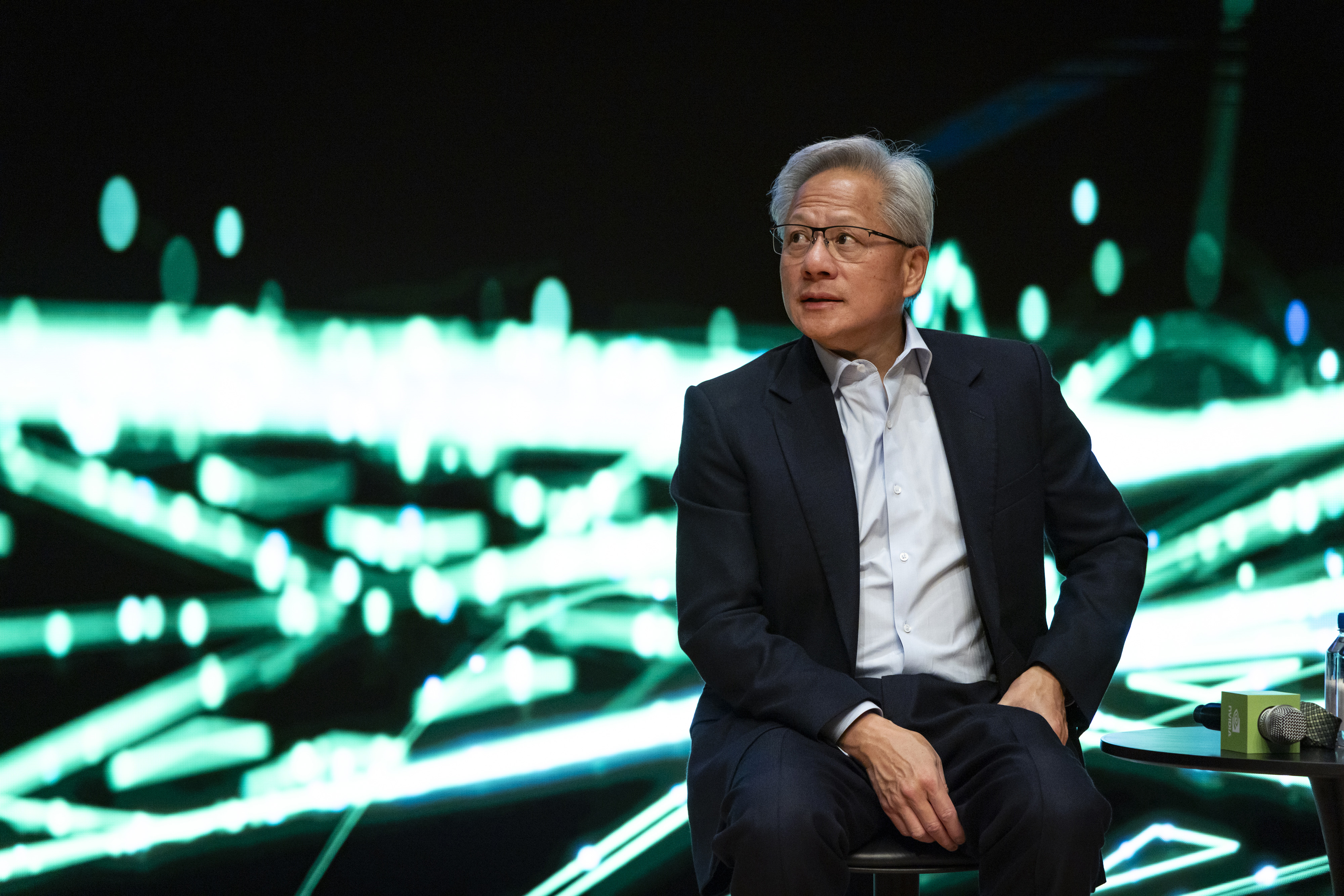
Critics have drawn uncomfortable parallels to the collapse of Lucent Technologies, which famously imploded after providing financing to its own customers. Huang has actively pushed back against these comparisons, arguing that this initiative brings in independent, long-term capital rather than relying on circular internal financing. However, the plan introduces a "wrong way" risk; if the AI boom cools and demand for compute power craters, Nvidia’s obligations will swell exactly when its own revenue streams are under the most pressure. For now, the company is betting that AI infrastructure will follow the path of railroads or airlines, remaining essential long after the initial equipment is deployed.
Comments (0)
No comments yet. Be the first!