
Assistant Professor Dowon Kim and his team modeled the impact of Phase IV reforms (2026–2030), which aim to align Korea’s market with European standards. Their findings, published in Energy Policy, highlight that a move toward uniform benchmarking disproportionately hurts coal-based generation while offering only minor incentives for cleaner energy. Because the Korean power market is highly centralized, companies struggle to pass increased operational costs onto consumers, creating a risk of financial distress for coal-reliant firms.
In section Releases
South Korean Power Sector Faces Hurdles in Emission Trading Overhaul
Proposed reforms to the Korean Emissions Trading Scheme may fall short of decarbonization goals if implemented in isolation. A study from Pusan National University warns that shifting benchmarking standards is insufficient without higher carbon pricing and targeted support to shield the centralized electricity market from economic instability.
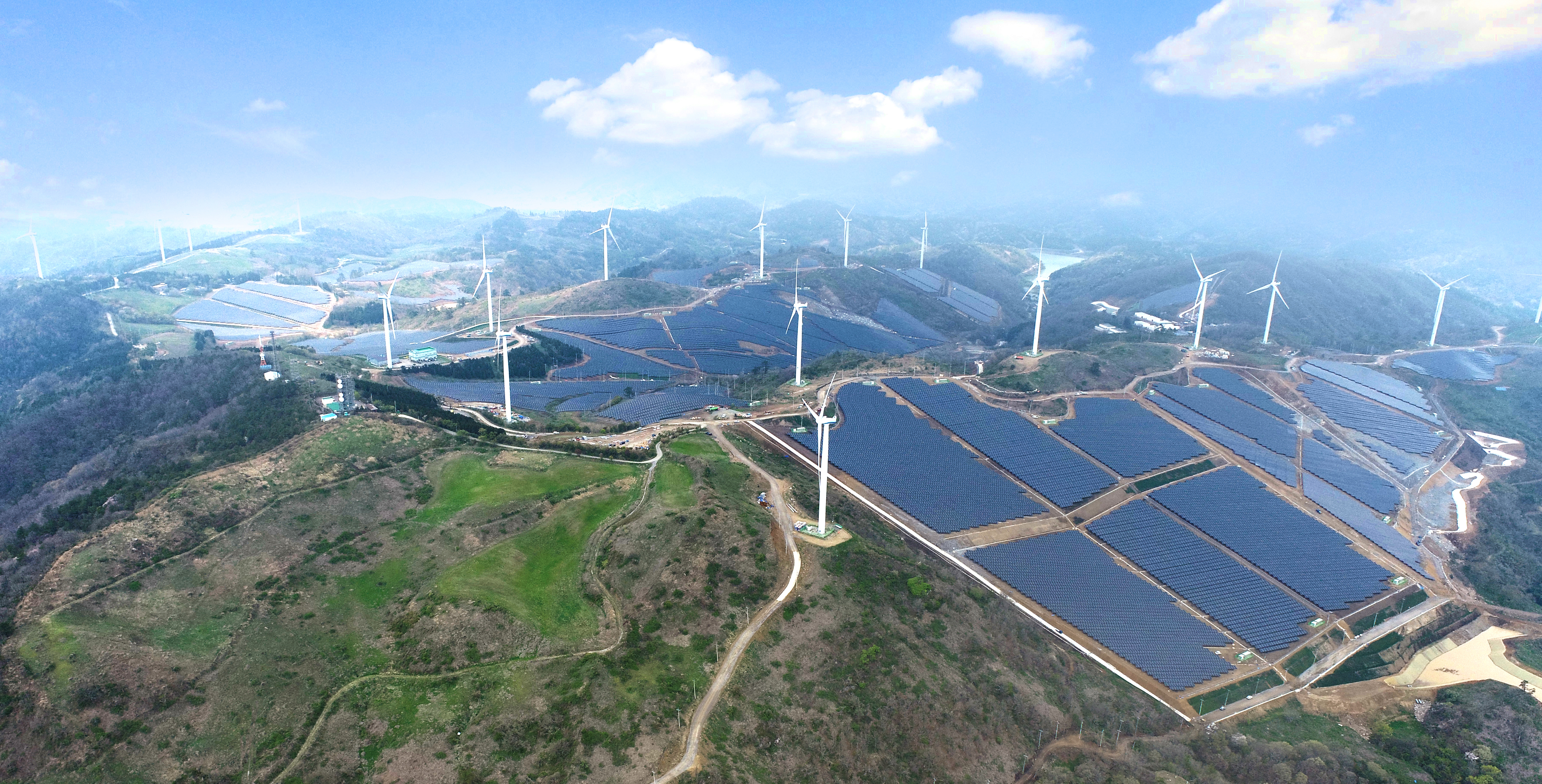
The simulation revealed that while increasing the auctioning share of emission permits nudges firms toward natural gas, the most significant driver remains carbon pricing. However, Professor Kim notes that punitive pricing alone threatens the sector's stability. To bridge the gap, the research suggests that policy makers must couple these reforms with transitional investments and support systems. Without these safeguards, the energy transition risks stalling as power companies attempt to navigate rising costs and restricted revenue streams.
Comments (0)
No comments yet. Be the first!