
While traditional nuclear plants struggle to ramp output up or down to match the volatile demands of AI training, TerraPower’s 345-megawatt molten salt-cooled reactor handles this by decoupling steam generation from the reactor core. Instead of adjusting the rate of nuclear fission, the plant stores excess heat in a massive vat of molten sodium. When demand from a data center spikes, the facility taps into this thermal reservoir to spin its turbines, allowing the core to continue operating at a constant, profitable capacity.
In section Startups & Technology
TerraPower’s Molten Salt Reactor Offers a Solution for AI Power Needs
Bill Gates-backed TerraPower is preparing to unveil its first data center project this year, leveraging a unique energy storage design to solve a critical problem for AI infrastructure: the need for power that can fluctuate rapidly without compromising the efficiency of the underlying nuclear reactor.
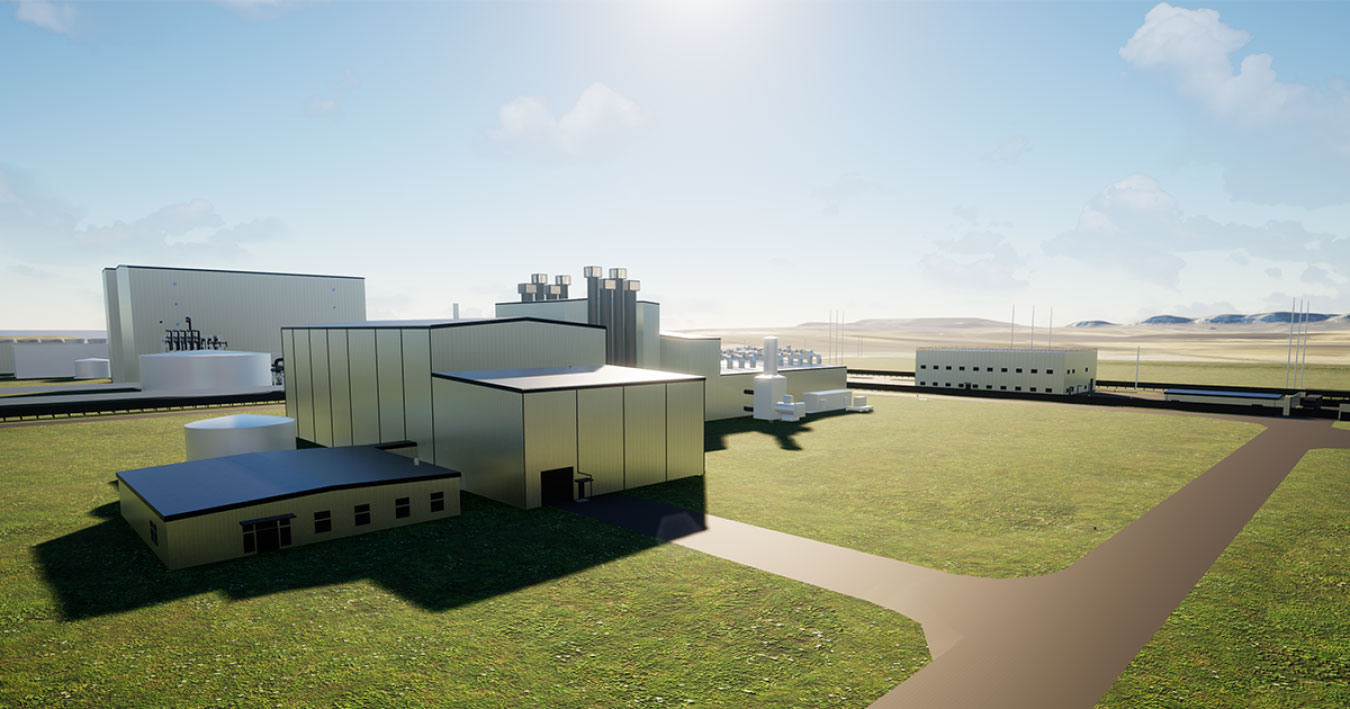
This storage capability serves as a buffer against the intermittent nature of modern energy grids. Because data centers often experience abrupt shifts in power draw as GPUs process tasks, they typically rely on expensive battery banks to stabilize the load. TerraPower’s design effectively integrates this stability into the power plant itself. With the company’s first Natrium plant currently under construction in Wyoming and a deal already in place to supply Meta with eight reactors, this flexible approach positions the startup to capture a significant share of the burgeoning market for AI-dedicated energy.
Comments (0)
No comments yet. Be the first!