
The legal action, brought by the Clarkson Law Firm, asserts that the rings fail to monitor the specific signals necessary to determine sleep stages. While Oura has advertised its technology as offering up to 95% accuracy compared to hospital sleep labs, the plaintiffs contend that the device—worn on the finger—physically cannot capture the neurological data that only scalp electrodes and eye sensors can detect in a clinical setting.
In section Startups & Technology
Oura Sued Over Claims of Deceptive Sleep Tracking Accuracy
A proposed class action lawsuit filed in San Francisco accuses Oura of marketing its smart rings as clinical-grade sleep trackers despite an alleged inability to measure physiological brain activity. The complaint argues that the company’s expensive devices rely on AI-generated guesses rather than the data required to track sleep cycles.
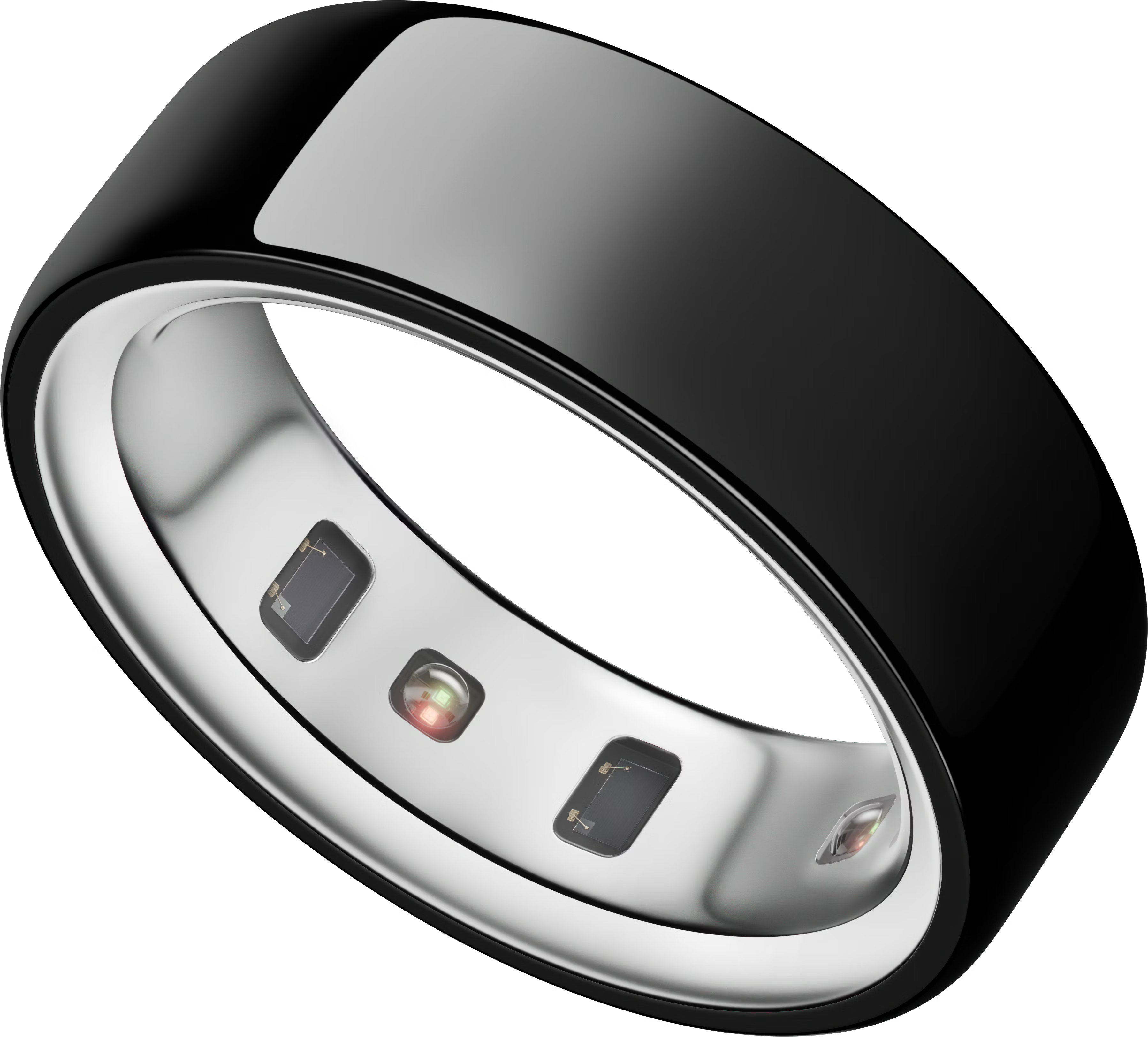
Ryan Clarkson, the firm's managing partner, emphasized the risks of relying on such metrics for daily health decisions. The lawsuit highlights a pattern of user frustration where individuals reported feeling poorly despite the app claiming their rest was optimal. Seeking both restitution for customers and an injunction against further marketing claims, the complaint aims to halt what it describes as the sale of inaccurate health data disguised as precision technology. Oura has not yet responded to requests for comment regarding the allegations.
Comments (0)
No comments yet. Be the first!