
Bellenbaum, representing HomeWell Care Services in the Greater North Atlanta area, notes that declining hygiene, neglected chores, and missed appointments often serve as early indicators. When mobility issues make tasks like navigating stairs or rising from chairs difficult, the risk of falls increases significantly. A professional home safety assessment can identify these environmental hazards before they result in injury.
In section Releases
Recognizing When an Aging Parent Requires In-Home Support
Rather than a singular crisis, the transition toward needing home care usually reveals itself through subtle, accumulating changes in daily behavior. Home Care Expert Nicholas Bellenbaum suggests that families monitor shifts in nutritional habits, household maintenance, and social engagement to determine if a parent requires additional support to remain independent.
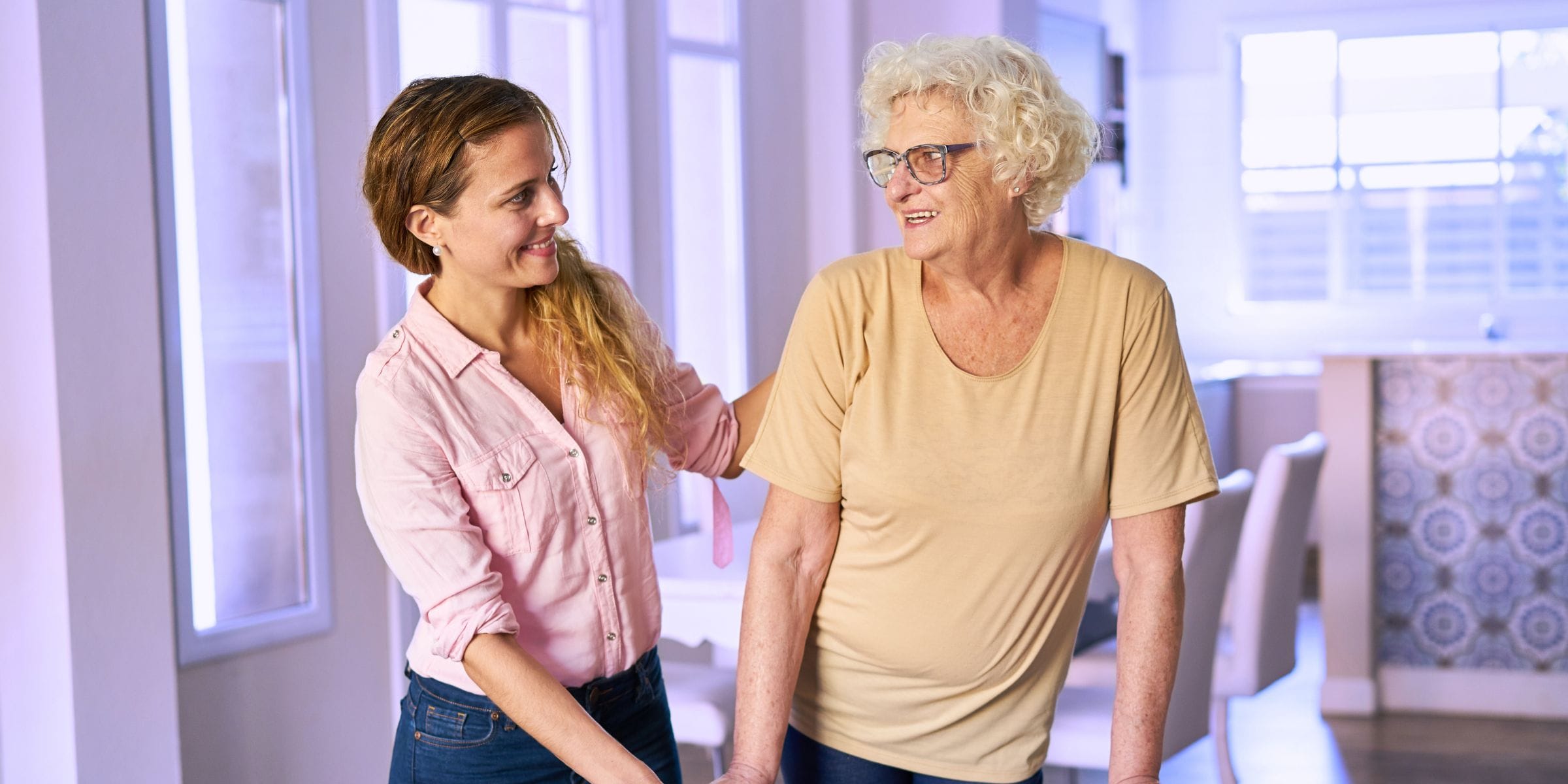
Families should approach these sensitive conversations by focusing on specific, observable challenges rather than broad declarations about a parent’s capabilities. For instance, addressing a lack of fresh food in the kitchen can lead to practical meal preparation assistance without stripping the individual of their autonomy. Similarly, companion care can mitigate the isolation that often accompanies reduced mobility. By identifying these patterns early, families can implement incremental support systems, allowing seniors to age in place safely while maintaining their familiar routines and environment.
Comments (0)
No comments yet. Be the first!