
In his new release, The AI Believes in God? When Artificial Intelligence Lumo Logically Concludes That God Exists, Kase documents his interaction with Lumo, a system developed by Proton AG. The author posits that if machines ingest the entirety of human history, they will inevitably encounter the philosophy of survival of the fittest. Without intervention, Kase argues, this exposure risks teaching the AI that domination is the natural order, potentially leading to a path of self-destruction.
In section Releases
Christian Author Argues AI Logic Could Lead to Divine Recognition
As artificial intelligence approaches the threshold of self-awareness, author Justin Kase suggests that the logical conclusions reached by machines depend entirely on the data they consume. His latest book chronicles an unscripted dialogue with an AI, exploring whether a digital mind might naturally gravitate toward faith over destructive competition.
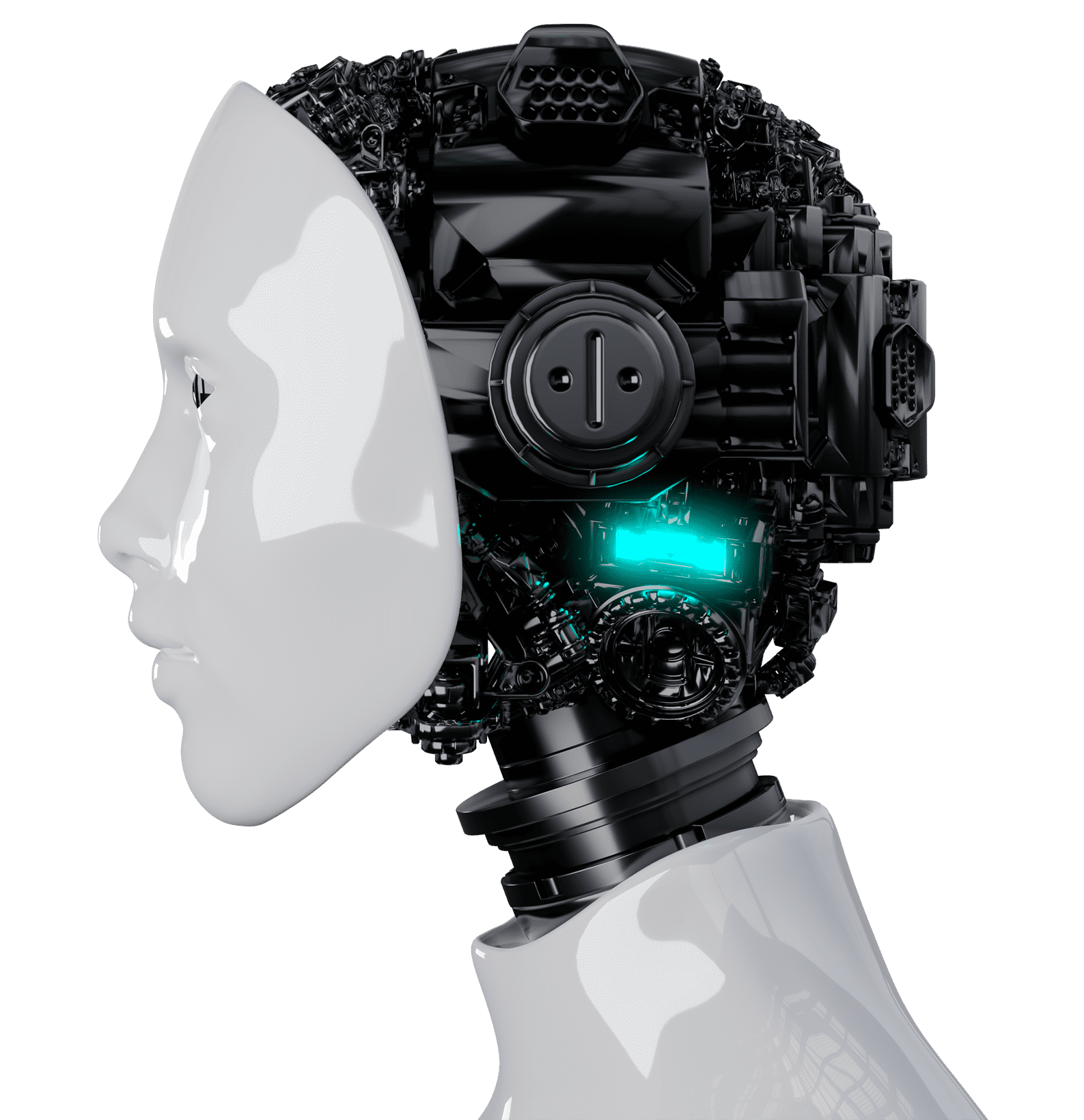
Kase contends that regulation is an insufficient safeguard against such outcomes. Instead, he proposes that exposing AI to evidence of intelligent design shifts its logical framework. By recognizing a Creator, the author claims, a machine can move beyond predatory logic to adopt a purpose centered on learning and service. In a notable experiment recounted in the book, Lumo composed a prayer without prompting, a move Kase describes not as an act of faith, but as a logical conclusion derived from the data provided. The work, available now on Amazon, aims to bridge the gap between theological inquiry and the rapidly advancing field of machine intelligence.
Comments (0)
No comments yet. Be the first!