
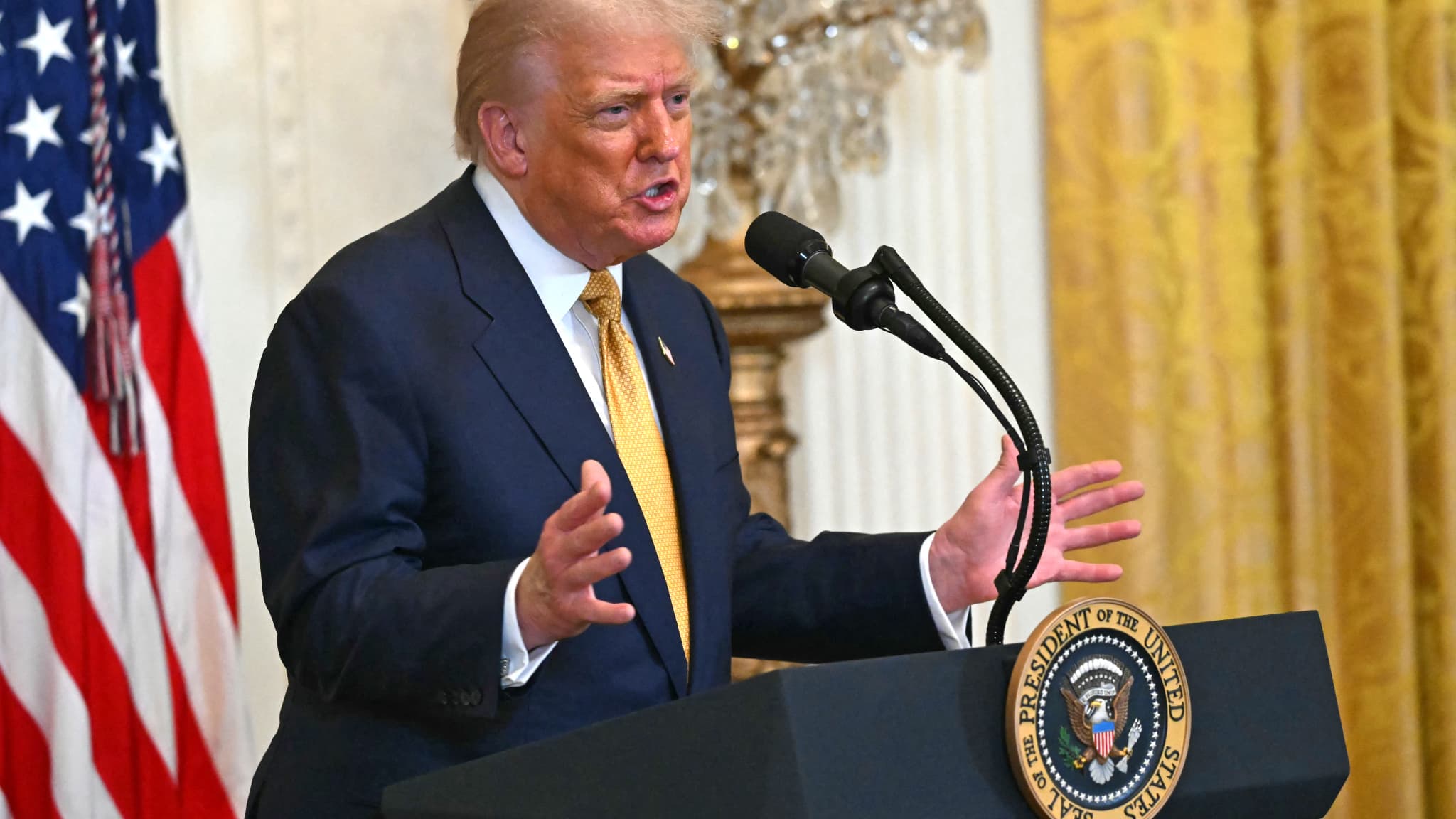
The deal, championed by Secretary of State Marco Rubio and acting Venezuelan President Delcy Rodríguez, outlines the development of 17 strategic fields. While officials project $209 billion in future tax revenues, independent analysts are sounding the alarm. Francisco Rodríguez, a senior research fellow at the Center for Economic and Policy Research, noted that the agreement yields a tax return of roughly $3.22 per barrel—less than 5% of current market value.
Critics argue the transaction is legally precarious, as the Venezuelan Constitution classifies hydrocarbons as inalienable public domain. Former Human Rights Watch head Kenneth Roth characterized the negotiations as coercive, noting that Venezuelan officials currently facing the threat of arrest are in no position to bargain. Senator Chris Van Hollen (D-Md.) further blasted the administration, accusing the president of risking military lives to secure private profits for political allies.
Comments (0)
No comments yet. Be the first!