
The study, which compared 100 patients matched by age and sex, found that those with TMD scored nearly double on standard sleep apnea risk questionnaires. While 60 percent of the TMD group fell into the intermediate or high-risk range for sleep apnea, only 24 percent of the control group reached that threshold. This correlation persisted even after researchers adjusted for body mass index, age, and sex, pointing to a distinct physiological connection between the two health issues.
In section Releases
Jaw Pain Linked to Higher Risk of Obstructive Sleep Apnea
Patients suffering from temporomandibular disorders, or TMD, are significantly more likely to face obstructive sleep apnea than those without jaw issues. New research published in the Journal of Oral and Maxillofacial Surgery suggests these conditions often overlap, indicating a need for integrated clinical screening and cross-disciplinary medical evaluation.
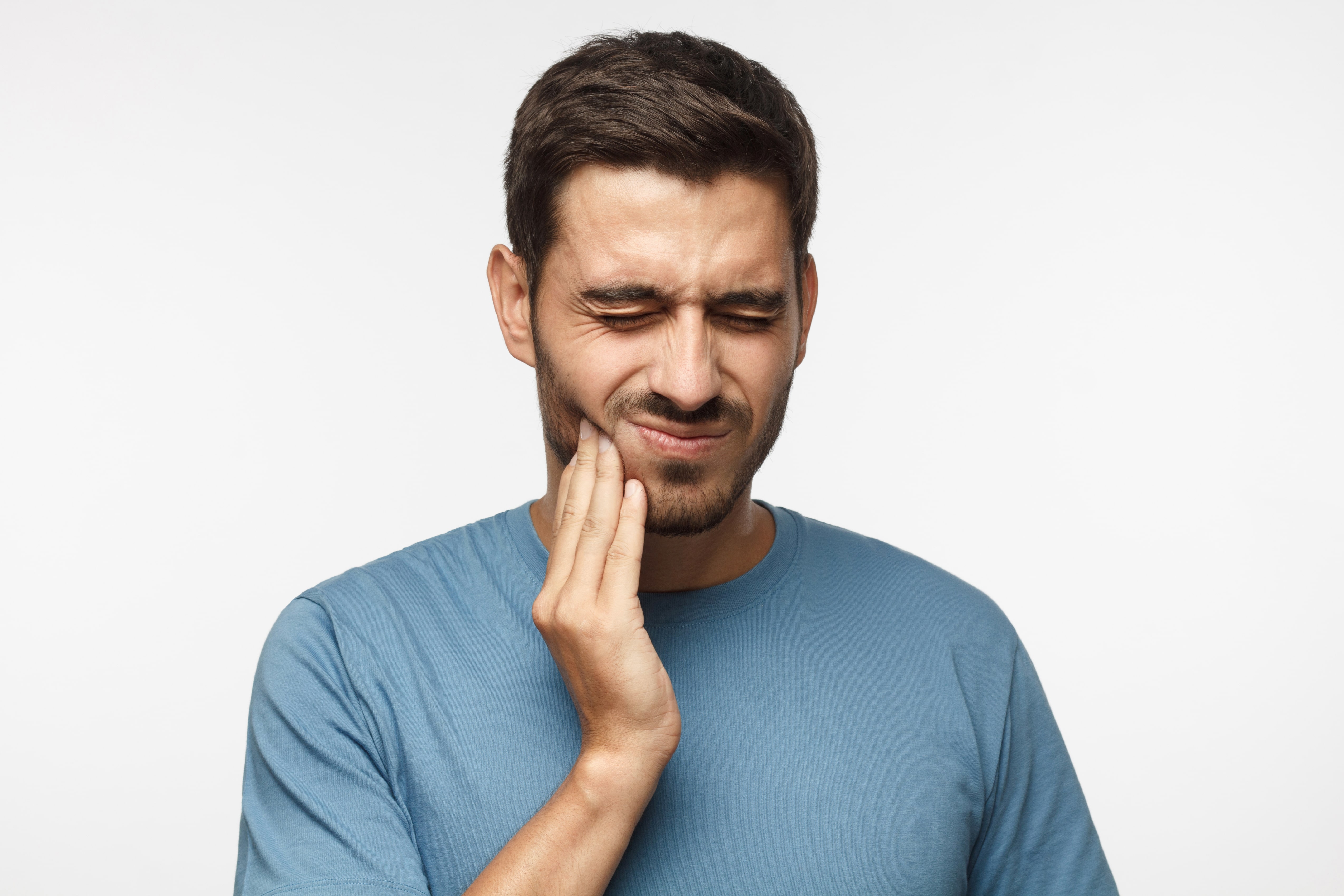
Experts believe a cycle of pain and poor sleep links these conditions. One prominent theory suggests that during sleep apnea episodes, the body triggers forceful jaw clenching to reopen airways, placing repetitive strain on jaw joints and muscles. Conversely, the sleep fragmentation caused by apnea can lower a person's pain threshold, exacerbating existing facial discomfort. Authors of the study, led by Ali Moradi and colleagues, recommend that clinicians treating chronic jaw pain or clicking should perform routine sleep apnea screenings. Patients noticing symptoms like persistent fatigue, snoring, or witnessed breathing pauses at night are encouraged to discuss these concerns with their oral and maxillofacial surgeons to ensure a comprehensive care approach.
Comments (0)
No comments yet. Be the first!