
In section Releases

ISS National Lab Hits 1,000-Payload Milestone After 15 Years

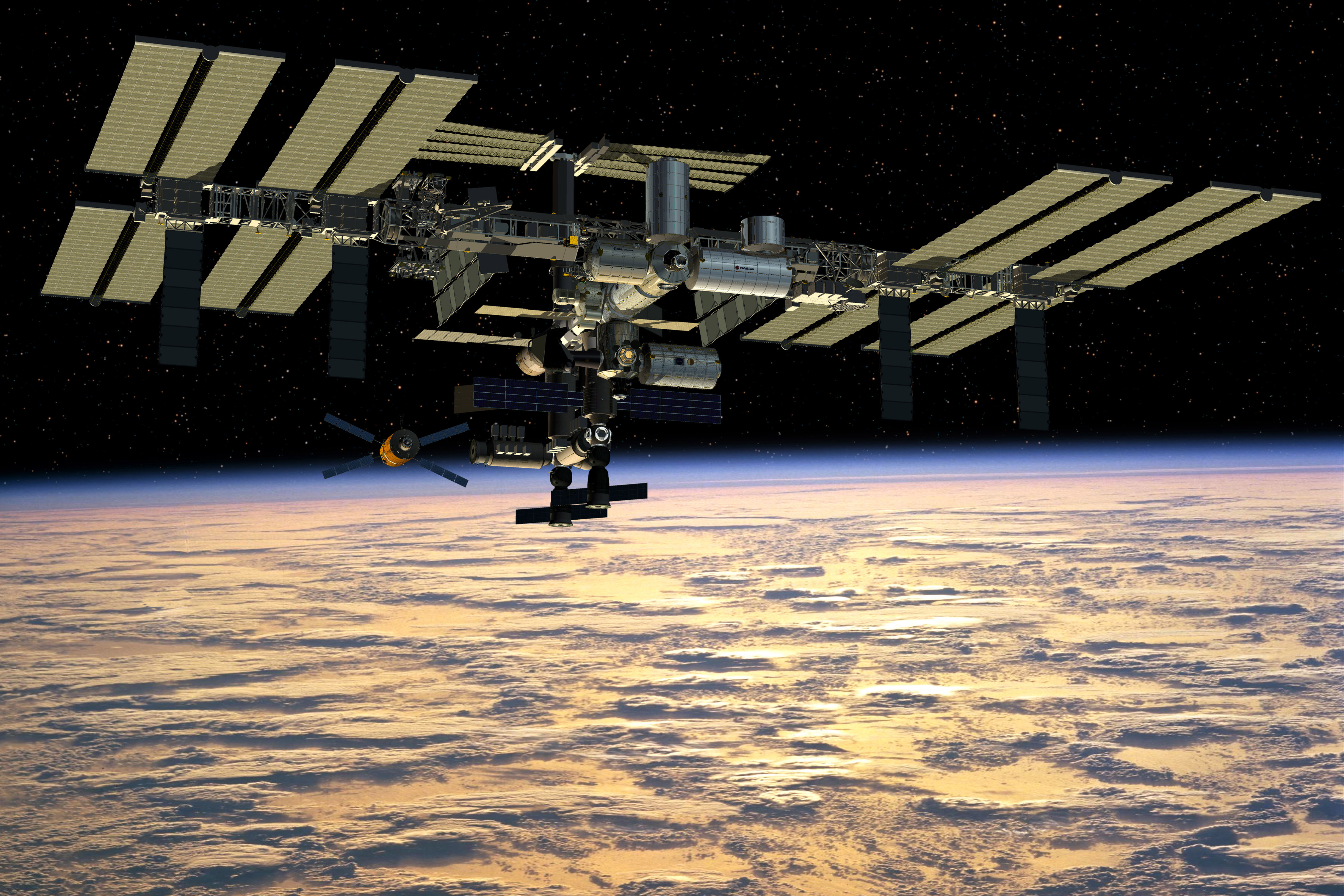
A thousand research payloads have now reached the International Space Station, marking a decade and a half of orbital operations managed by the Center for the Advancement of Science in Space. This threshold, cleared during a Northrop Grumman resupply mission, signals the maturation of low Earth orbit as a commercial research hub.

ISS National Lab Hits 1,000-Payload Milestone After 15 Years

Since taking over management in 2011, CASIS has transformed the station from a purely governmental outpost into a diverse laboratory for biotechnology, materials science, and commercial manufacturing. The scientific output of these missions is quantified by 675 peer-reviewed publications, with over one-fifth appearing in top-tier academic journals. Robbie Hampton, the laboratory's director of payload operations, noted that each flight represents a unique attempt to solve problems that remain intractable under Earth's gravity.

The scope of these investigations spans from fundamental government-funded projects to consumer-facing product development. Public institutions like the National Science Foundation and the National Institutes of Health have supported over 90 fundamental research projects, while private-sector entities now account for nearly 60% of all launches. Major pharmaceutical firms, including Merck and AstraZeneca, utilize the microgravity environment for drug discovery, while consumer brands like Procter & Gamble have leveraged the facility to refine household goods such as Febreze and Tide.

CASIS has also acted as a catalyst for the private space economy, nurturing over 100 startups that have collectively secured nearly $3 billion in follow-on funding. The physical infrastructure on the station has expanded in tandem with this research volume; the number of commercially owned and operated research facilities has grown from just two in 2011 to 24 today. This growth underscores a shift toward a sustainable, scalable market in low Earth orbit, moving beyond experimental testing toward repeatable industrial and academic utility.

Share:on TelegramXFacebook

Subscribe to our newsletter

Once a week — the best stories from our editors, no ads or push notifications. Delivered Sunday morning.

Comments (0)

Leave a comment

No comments yet. Be the first!