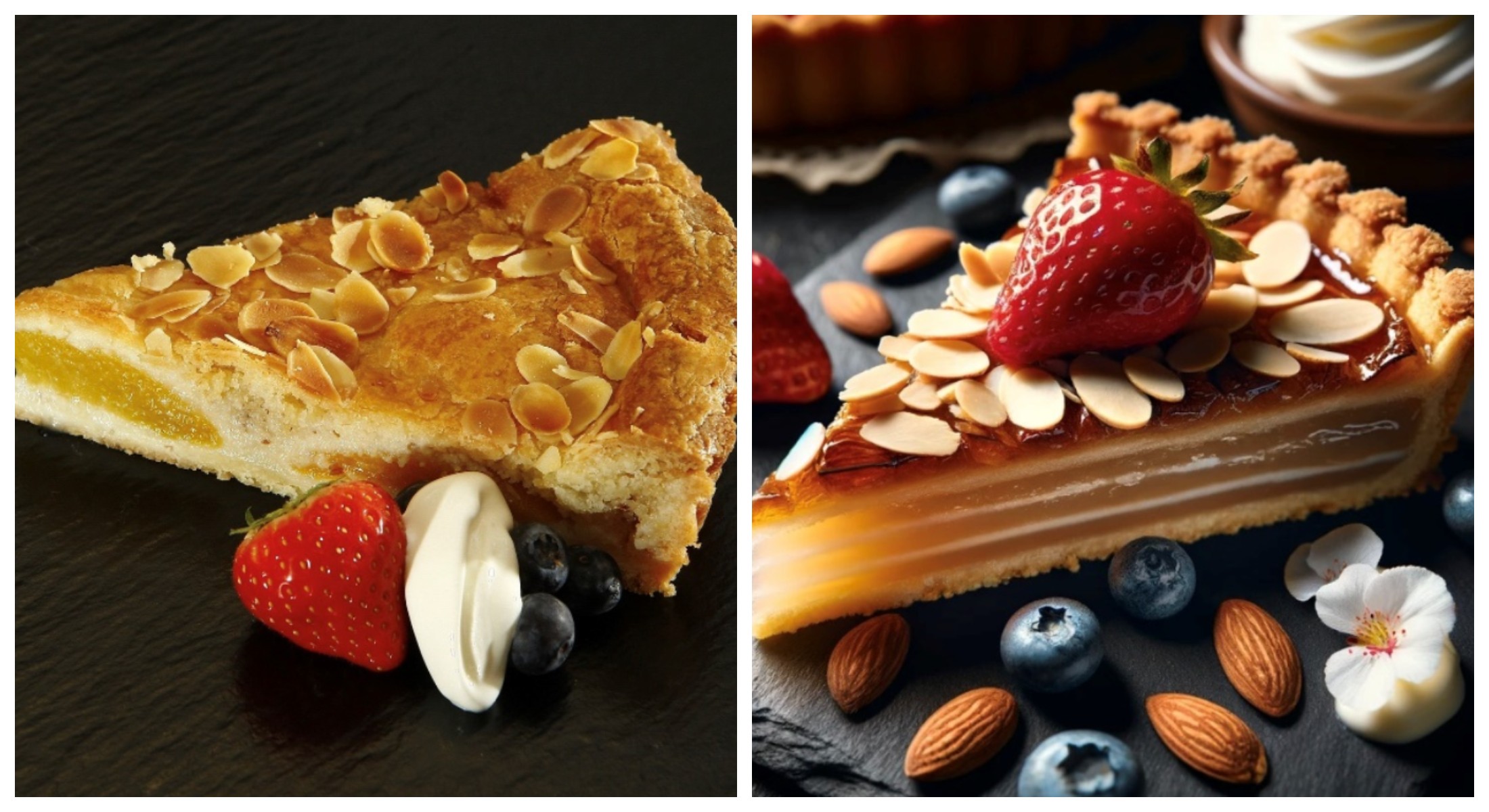
A bagel sandwich that looks too symmetrical, a burrito with impossible cheese—these are the hallmarks of a new culinary aesthetic. As restaurants increasingly turn to generative AI for menu design, patrons are encountering food illustrations that feel unsettlingly smooth, triggering a visceral, unexplainable sense that something is fundamentally wrong.
By Business Faces·September 4, 2026·2 min read·1,721 reads
The issue stems from how models are trained. By relying on vast datasets that favor a specific, polished visual style, AI generators often default to a generic, hyper-perfect look. Alex Lisle, CTO of Reality Defender, notes that these models essentially function like an alien attempting to construct a pizza without understanding its core anatomy. The result is often a collection of Lovecraftian food horrors, where shrimp tails merge with bodies and every scoop of ice cream is a mathematically perfect sphere.
This homogenization is amplified by the feedback loops inherent in machine learning. When models are trained on existing commercial imagery—like old fast-food advertisements—they replicate that aesthetic, often stripping away the natural imperfections that make food look authentic. Lee Rainie of the Imagining the Digital Future Center at Elon University explains that AI is designed to shave off the edges to prioritize a pleasing, non-offensive output. When restaurants repeatedly edit these AI-generated files to update prices or item names, the images undergo further degradation, becoming increasingly synthetic.
Beyond mere aesthetic frustration, this trend highlights a deeper erosion of trust. Researchers at the University of Duisburg-Essen have identified an "uncanny valley" effect, where near-realistic food images provoke genuine disgust. For restaurants, the reliance on these tools risks alienating customers who instinctively recoil at the artificiality. More broadly, the shift signals a collapse of the "seeing is believing" standard, as the boundary between authentic representation and machine-generated art continues to dissolve in our daily lives.

Comments (0)
No comments yet. Be the first!