
Most venture firms operate under the assumption that a large majority of their portfolio will fail, leaving one outlier to generate the bulk of the fund's returns. However, data from Carta regarding 2017 and 2018 vintage funds shows that fewer than 20% have returned even 1x DPI to their limited partners. These paper valuations rarely translate into actual cash for investors, forcing them to wait decades for liquidity events. Kyle Asman, founder and managing partner of Backswing Ventures, argues that this dependence on a single unicorn is an unnecessary gamble. Instead, the firm mandates that every individual investment be underwritten for a 3-5x return on its own merits, prioritizing entry price and clear paths to acquisition over the pursuit of billion-dollar valuations.
In section Releases
Why Backswing Ventures is Betting Against the Unicorn Model
SpaceX took 24 years to reach an initial public offering, a timeline that highlights a structural flaw in modern venture capital. While the industry traditionally relies on a single breakout winner to carry a fund's returns, Orlando-based Backswing Ventures is proving that a more disciplined, granular approach can deliver faster results.
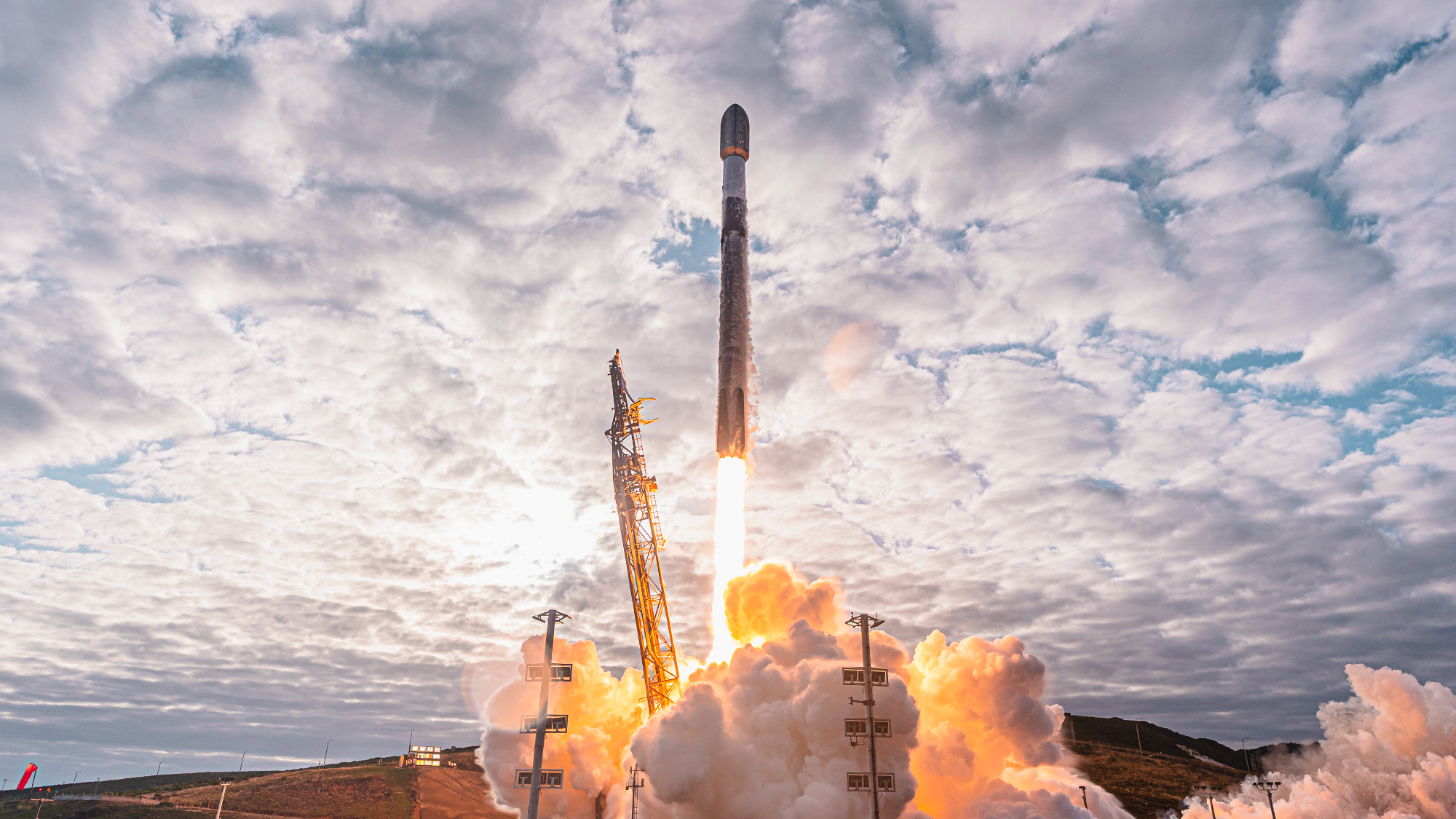
In the defense sector, this strategy focuses on specialized components rather than entire platforms. By targeting companies that build essential sensors, navigation, or power systems—like the technology behind Rocket Lab’s 2025 acquisition of Geost—Backswing seeks repeatable, durable businesses. Because roughly 69% of U.S. venture exits in 2023 were acquisitions rather than IPOs, the firm targets mid-sized outcomes that are statistically more achievable. This shift in philosophy appears to be working: Backswing’s Fund II has already surpassed 1.0x DPI in under three years, positioning it among the top-performing 2023-vintage funds in the United States.
Comments (0)
No comments yet. Be the first!