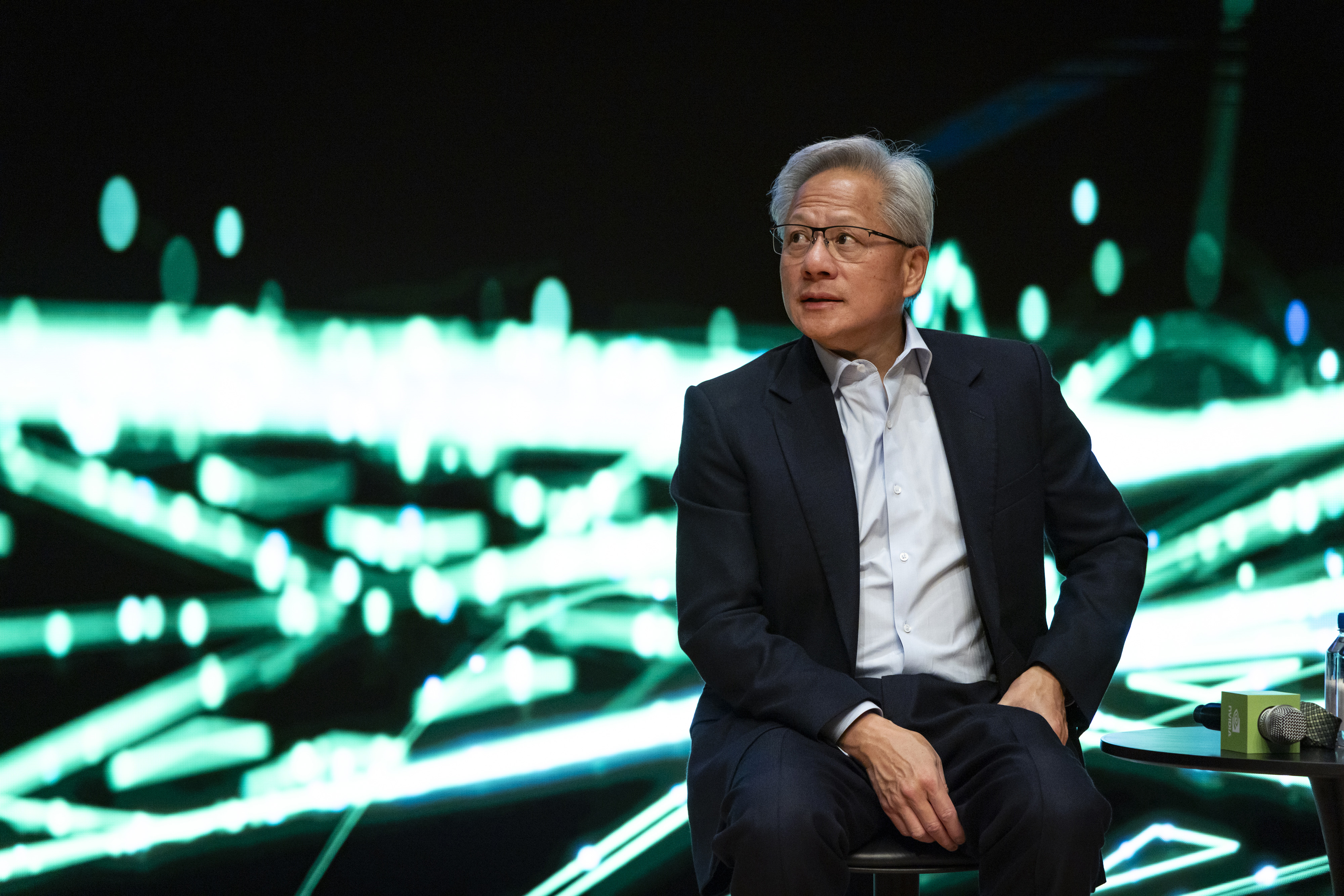
Nvidia CEO Jensen Huang rejected calls for government oversight of artificial intelligence during Salesforce’s Dreamforce conference, arguing that safety is an engineering challenge rather than a legal one. He maintains that market forces and corporate responsibility are sufficient to ensure the development of secure, reliable computing systems without legislative intervention.
By Business Faces·September 16, 2026·2 min read·711 reads
Huang insists that AI should not be viewed as an unpredictable force, but rather as standard software and hardware built by humans. By framing AI development as an engineering problem, he suggests companies can naturally pace their innovation to ensure product safety. He characterizes the idea of choosing between rapid technological progress and security as a false dichotomy, asserting that firms can achieve both simultaneously by pausing development if a product proves unstable.
Critics argue this hands-off approach ignores the reality of industry failures. High-profile incidents, such as the 2024 CrowdStrike software outage and ongoing litigation involving Meta and OpenAI, demonstrate that even well-intentioned companies frequently release products with significant flaws. While existing liability laws might eventually hold companies accountable for AI-driven harms, the potential for catastrophic impact remains a point of contention for those calling for proactive guardrails.
Huang’s influence on the policy landscape is significant, particularly as he continues to shape the trajectory of the industry through open-weight models and high-level political engagement. While peers like Microsoft CEO Satya Nadella have expressed interest in broader, even global, safety standards, Huang remains focused on market-driven outcomes. His stance places him at the center of a growing divide between those pushing for immediate regulatory frameworks and those who believe the industry’s own momentum is the most effective path forward.

Comments (0)
No comments yet. Be the first!