
The Nottingham-based CRDMO deployed its machine-learning model to navigate formulation design space during a study involving healthy participants. By retraining on pharmacokinetic data after each dosing period, the algorithm achieved the program’s preset targets significantly faster than conventional methods. Andrew Lewis, Chief Scientific Officer at Quotient Sciences, noted that the model effectively bridged the gap between laboratory dissolution results and actual human performance.
In section Releases
Quotient Sciences Uses AI to Slash Clinical Formulation Timelines
A proprietary AI algorithm has successfully optimized drug tablet composition and dosage within just three dosing periods, according to interim clinical study results from Quotient Sciences. The technology, which maps the relationship between formulation design and human pharmacokinetics, aims to replace months of traditional, iterative testing cycles.
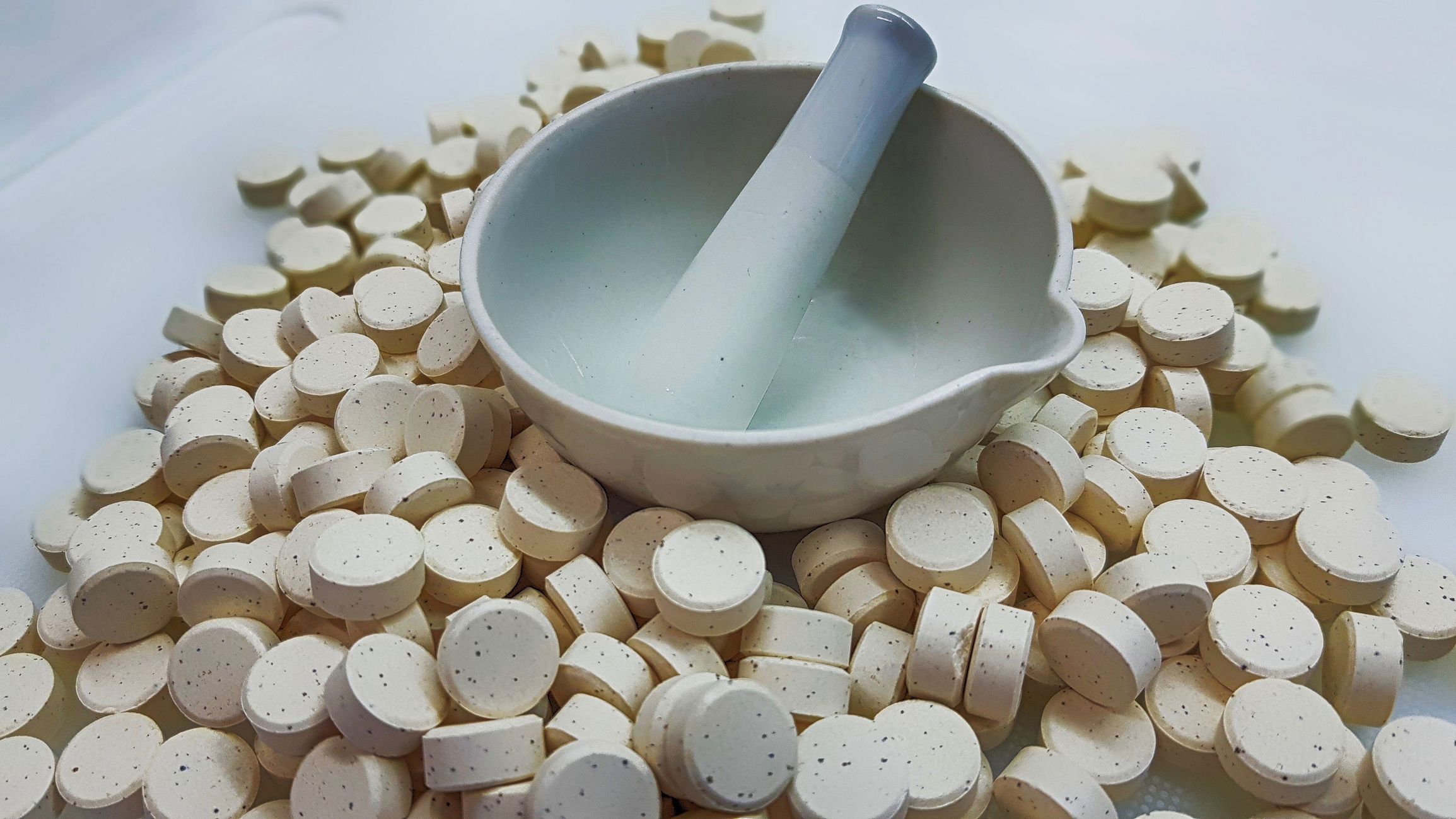
To maintain safety, the company implemented human-in-the-loop oversight, requiring a safety committee to approve every AI-selected composition before manufacturing. While the study utilized a generic drug for validation purposes rather than as a commercial candidate, the results suggest a viable path to reducing the volume of clinical testing required for new molecules. The company plans to release full data from the trial by the end of 2026, further integrating these AI capabilities into its existing Translational Pharmaceutics platform.
Comments (0)
No comments yet. Be the first!