
The LEVERAGE project survey of nearly 2,000 residents reveals that a quarter of the population intends to adopt a light electric vehicle (LEV), with 75% expecting to decrease their car usage accordingly. This shift extends mobility potential into suburban and rural zones, offering a viable path toward regional decarbonization. However, the influx of varied vehicles on narrow paths has correlated with a rise in cycling accidents, prompting concerns about the fragility of the Dutch model.
In section Releases
Dutch cycling model faces pressure from light electric vehicles
As European Mobility Week concludes, Breda University of Applied Sciences researchers warn that the surge of light electric vehicles—from e-cargo bikes to fatbikes—threatens traditional cycle path safety. While these vehicles promise to reduce car dependency, they introduce new speed and mass variables that complicate the Netherlands' established infrastructure.
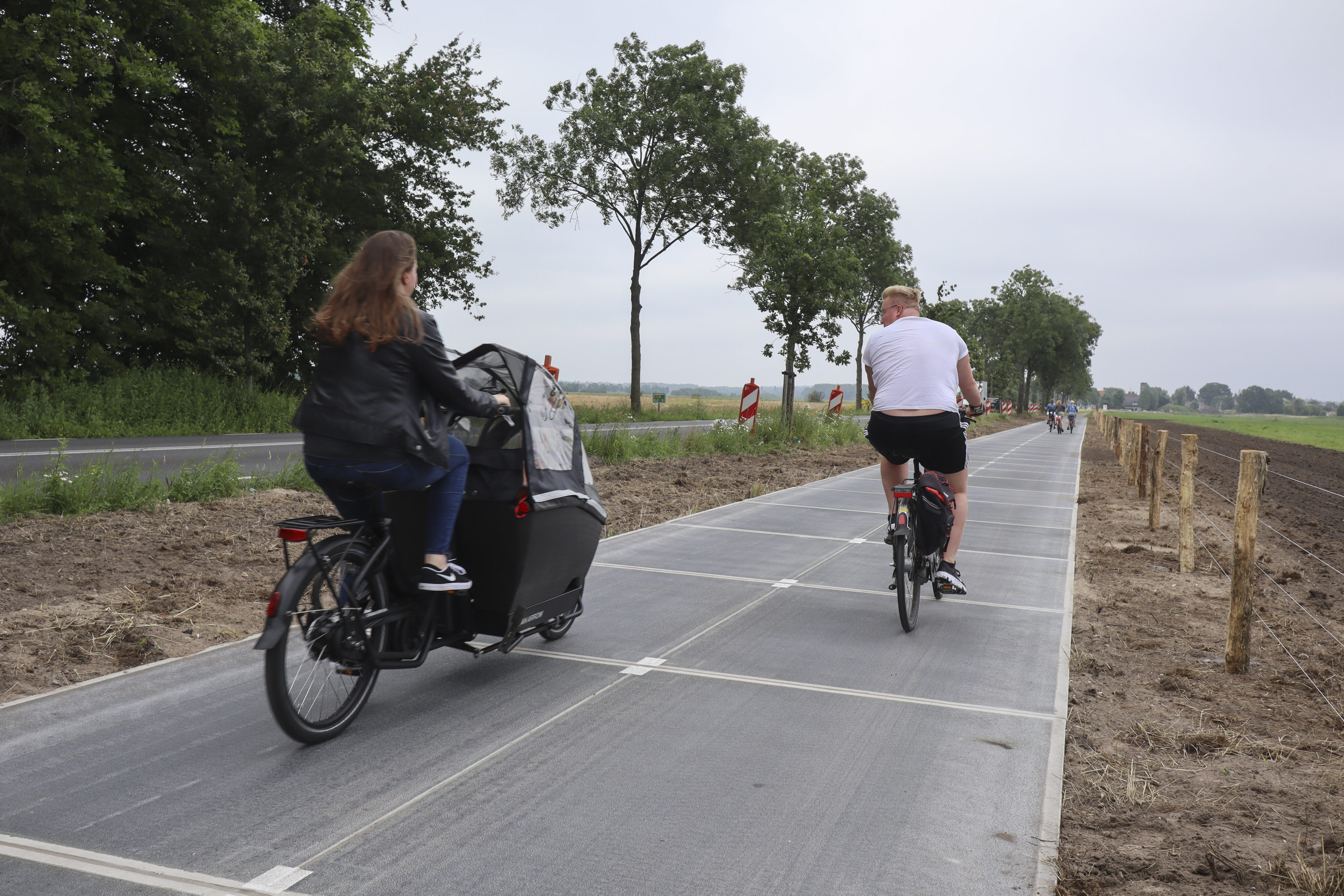
Paul van de Coevering, professor of Urban Mobility Planning at BUas, argues that the danger lies in behavior rather than the hardware itself. Data from eye-tracking and skin-conductance sensors indicate that while LEVs draw significant visual attention, they do not inherently generate stress for other cyclists if operators maintain predictable speeds. Rather than pursuing bans, researchers advocate for stricter enforcement of age limits and speed controls alongside continued investment in separated cycle paths to preserve safety as the transit ecosystem evolves.
Comments (0)
No comments yet. Be the first!