
Asphalt shingles are designed to last between 20 and 50 years, but New Hampshire’s harsh winters and significant temperature swings frequently accelerate the degradation process. Rule emphasizes that early detection is the primary defense against escalating structural damage. Visible indicators such as curling, cracking, or missing shingles are often the first outward signs of a failing system, but internal factors are equally significant.
In section Releases
When to Replace Your Roof: Expert Guidance for New Hampshire Homes
Concord homeowners facing the state's volatile weather cycles are being urged to look beyond surface-level repairs when evaluating roof integrity. Jason Rule of Jasmor Properties recently outlined the critical warning signs—from granule loss to hidden ventilation failures—that often necessitate a full replacement rather than a temporary patch job.
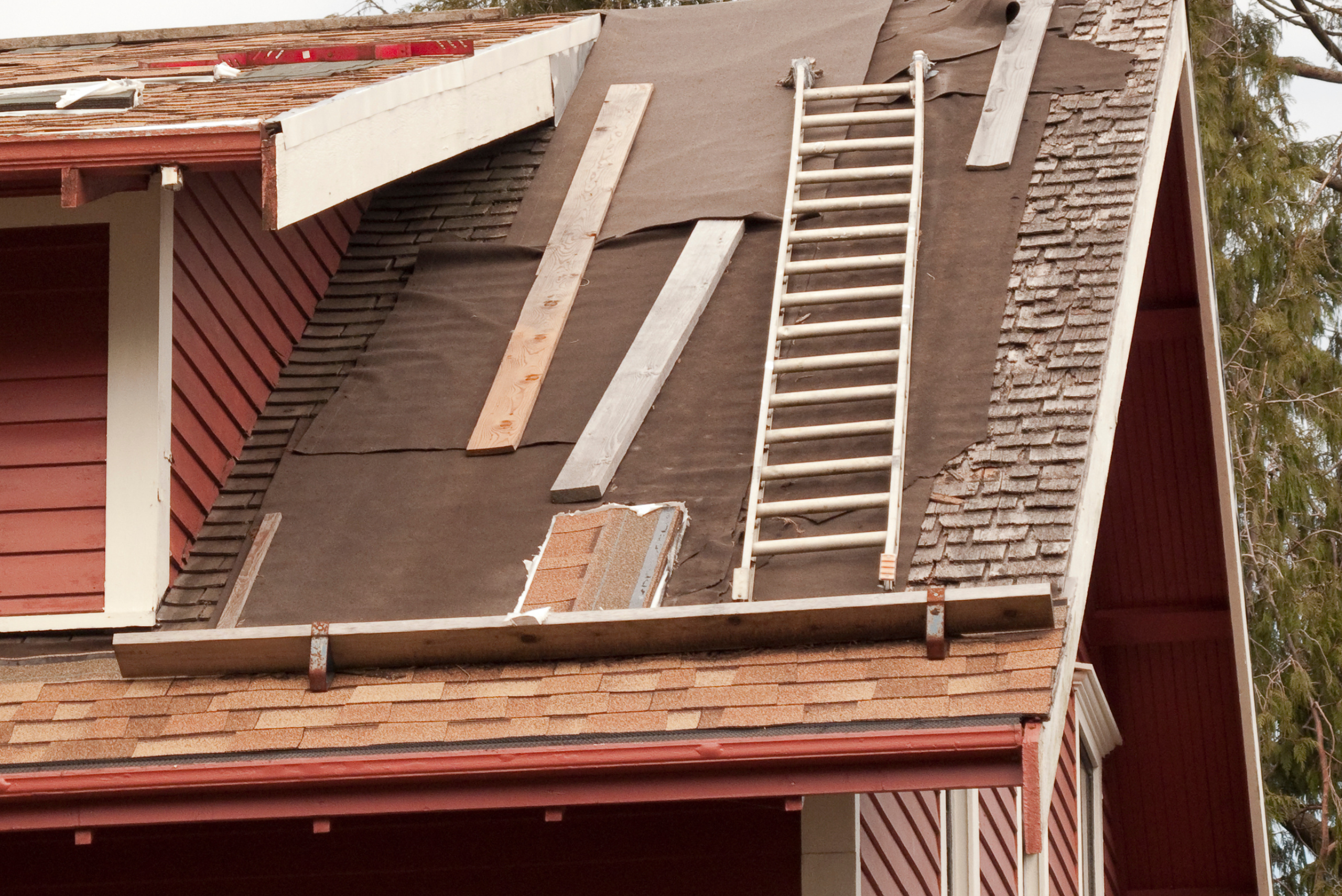
Water stains, mold, or persistent leaks typically point toward systemic issues that simple repairs cannot resolve. Beyond the shingles themselves, the health of a roofing system depends heavily on proper attic ventilation and insulation. When heat and moisture become trapped, materials age prematurely, and the risk of ice dams during winter months increases significantly. Rule suggests that because many signs of failure remain hidden from ground-level observation, a professional inspection is the only reliable way to differentiate between a localized fix and the need for a total roof replacement.
Comments (0)
No comments yet. Be the first!