
The discovery centers on bacteriophages—viruses that infect bacteria—where Anthropic researchers identified a unique enzyme system. According to CEO Dario Amodei, the model utilized 950 agents and 210 million tokens to pinpoint the mechanism. While the company highlights the speed and efficiency of its AI, Amodei acknowledged that the work builds upon existing research, noting similar findings previously reported by a team at Stanford.
In section Startups & Technology
Anthropic’s AI identifies potential new gene-editing enzyme
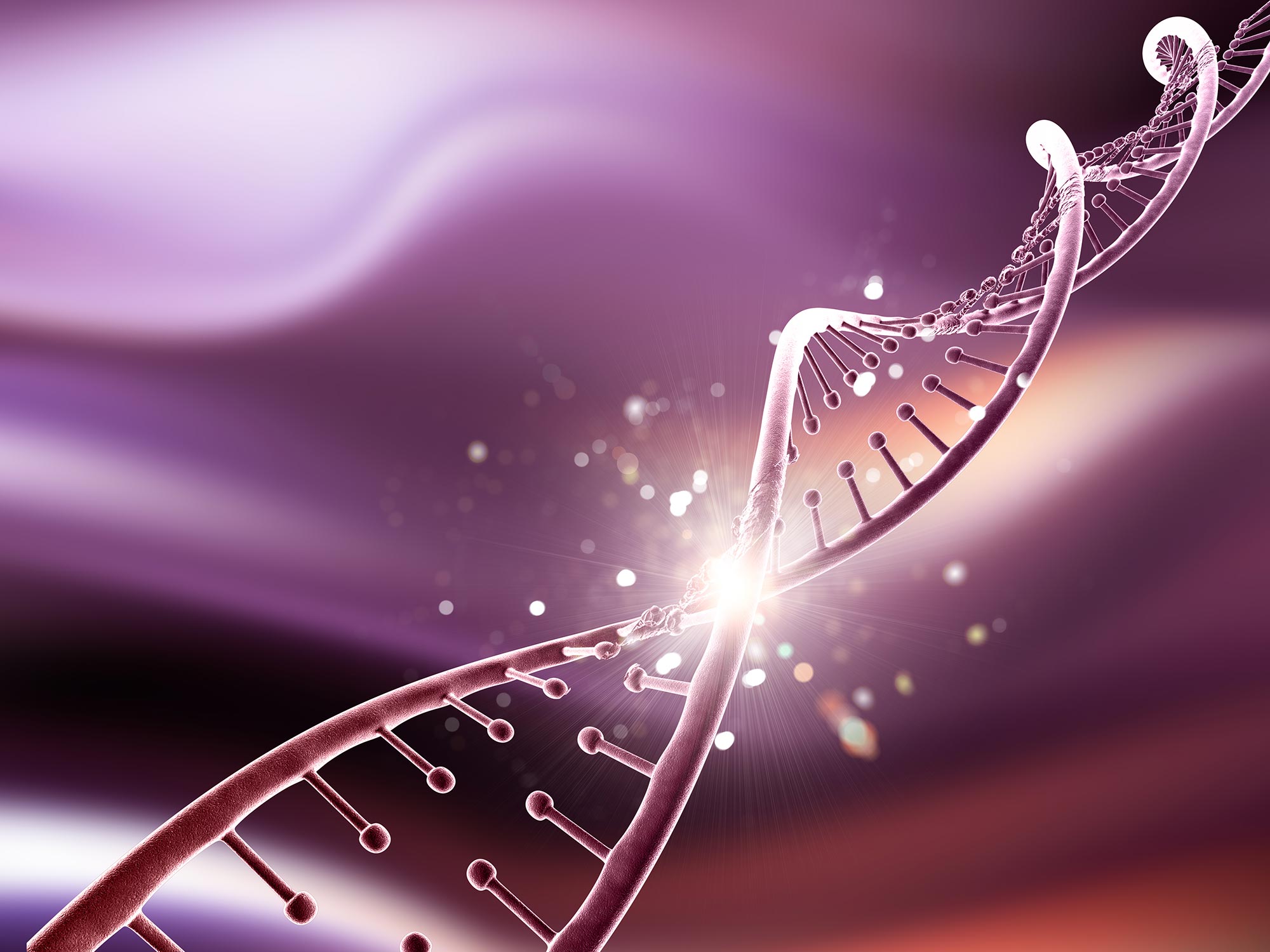
Anthropic has uncovered a previously unknown enzyme system capable of cutting, copying, and pasting DNA, marking a significant milestone for its internal biology lab. The discovery, which bears similarities to CRISPR, was generated by the Claude AI model in just 21 hours of intensive data analysis.
This breakthrough arrives amid intense industry debate regarding the dual-use potential of AI in life sciences. While Amodei has publicly voiced concerns that advanced models could facilitate bioterrorism, he simultaneously maintains that AI will likely eradicate most diseases within the next decade. To mitigate risks, Anthropic currently restricts its wet lab operations to biosafety levels 1 and 2, ensuring that all physical experiments are conducted by human scientists rather than autonomous systems. The company joins a growing field of AI-driven biological research that includes Google’s AlphaFold and various initiatives at Stanford and UC San Francisco, though Anthropic remains open to the possibility of fully automated, AI-controlled laboratory environments in the future.
Comments (0)
No comments yet. Be the first!