
The discussion, hosted by Concelex and the Atlantic Council Romania, emphasized that current infrastructure requirements are being rewritten by lessons from the conflict in Ukraine. Experts noted that the ability to rapidly restore critical assets—such as power substations or transport links—depends on having heavy equipment and certified response teams already positioned on the ground.
In section Releases
Investors Eye NATO’s Eastern Flank Through Sovereign Infrastructure
American investors are identifying NATO’s Eastern Flank as a primary investment frontier for the coming decade, provided that regional projects move beyond traditional financing models. At a New York roundtable, stakeholders argued that long-term security hinges on integrating local delivery capacity with transatlantic capital to create resilient, sovereign assets.
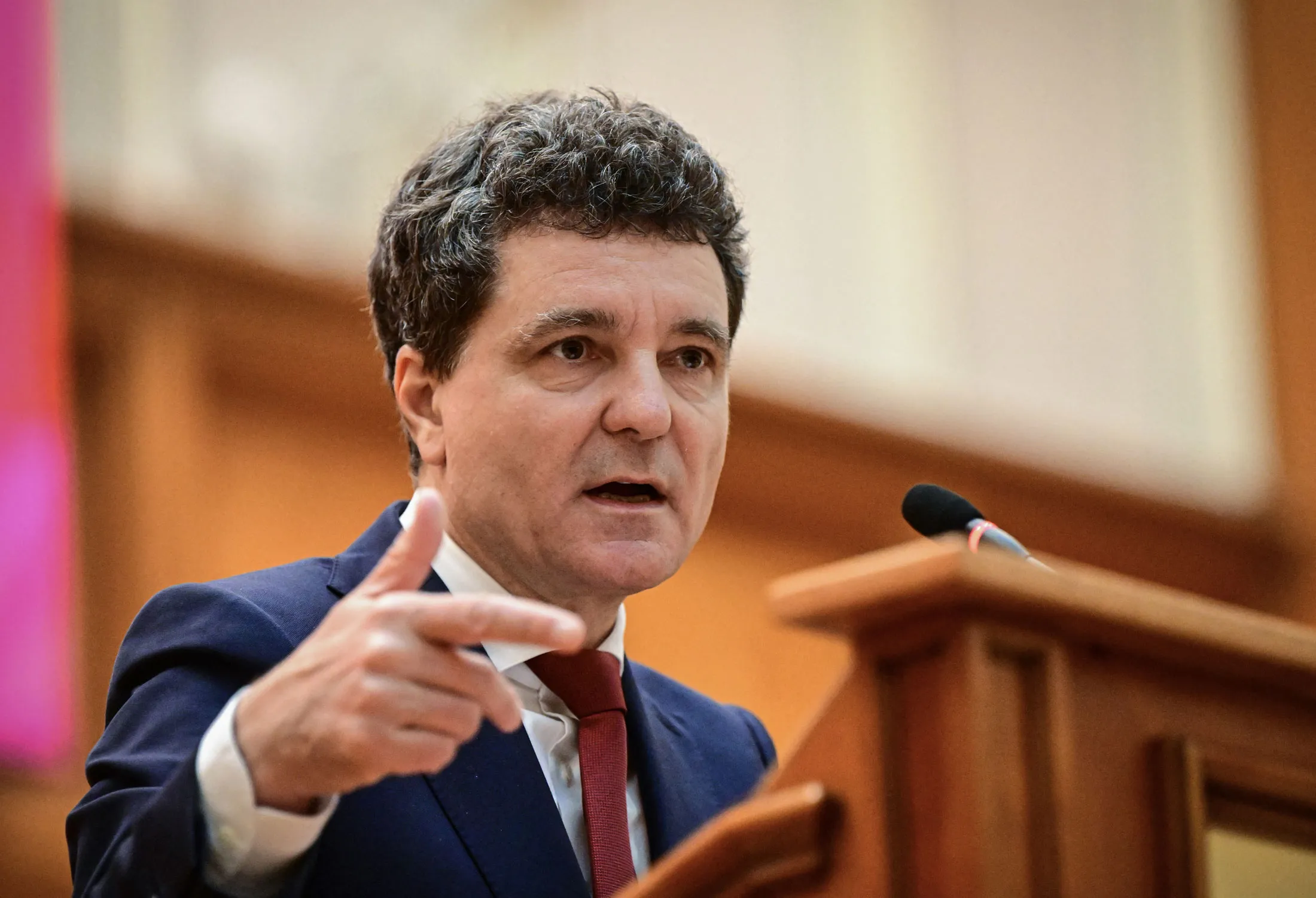
Radu Pițurlea, CEO of Concelex, introduced the concept of Sovereign Infrastructure to bridge this gap. This model relies on assets that remain under national or allied control, ensuring they can be maintained or repaired regardless of external supply shocks. To facilitate this, the company proposed a new index to track which regional firms possess the technical capacity to build and restore specific assets under varying jurisdictional conditions. The strategy calls for shifting toward long-term public-private partnerships that prioritize project delivery speed and regional integration over fragmented, country-by-country planning. Atlantic Council CEO Frederick Kempe echoed this sentiment, asserting that energy and transport corridors must now be managed as integrated, cross-border security capabilities.
Comments (0)
No comments yet. Be the first!