
The core distinction lies in integration. A true smart home operates through a central platform that synchronizes hardware, allowing disparate systems to share sensors, schedules, and commands. Instead of managing a thermostat, camera, and lighting system through three separate interfaces, a unified automation system executes complex routines—such as a 'cinema mode' that simultaneously adjusts climate, lowers motorized shades, and dims the lights.
In section Releases
Beyond the App Clutter: Defining True Smart Home Automation
Owning a dozen connected gadgets does not necessarily create a smart home. While individual devices handle isolated tasks like locking doors or dimming lights, they often trap homeowners in a fragmented ecosystem of competing apps, according to insights from Tucson-based automation specialist Chad Carney.
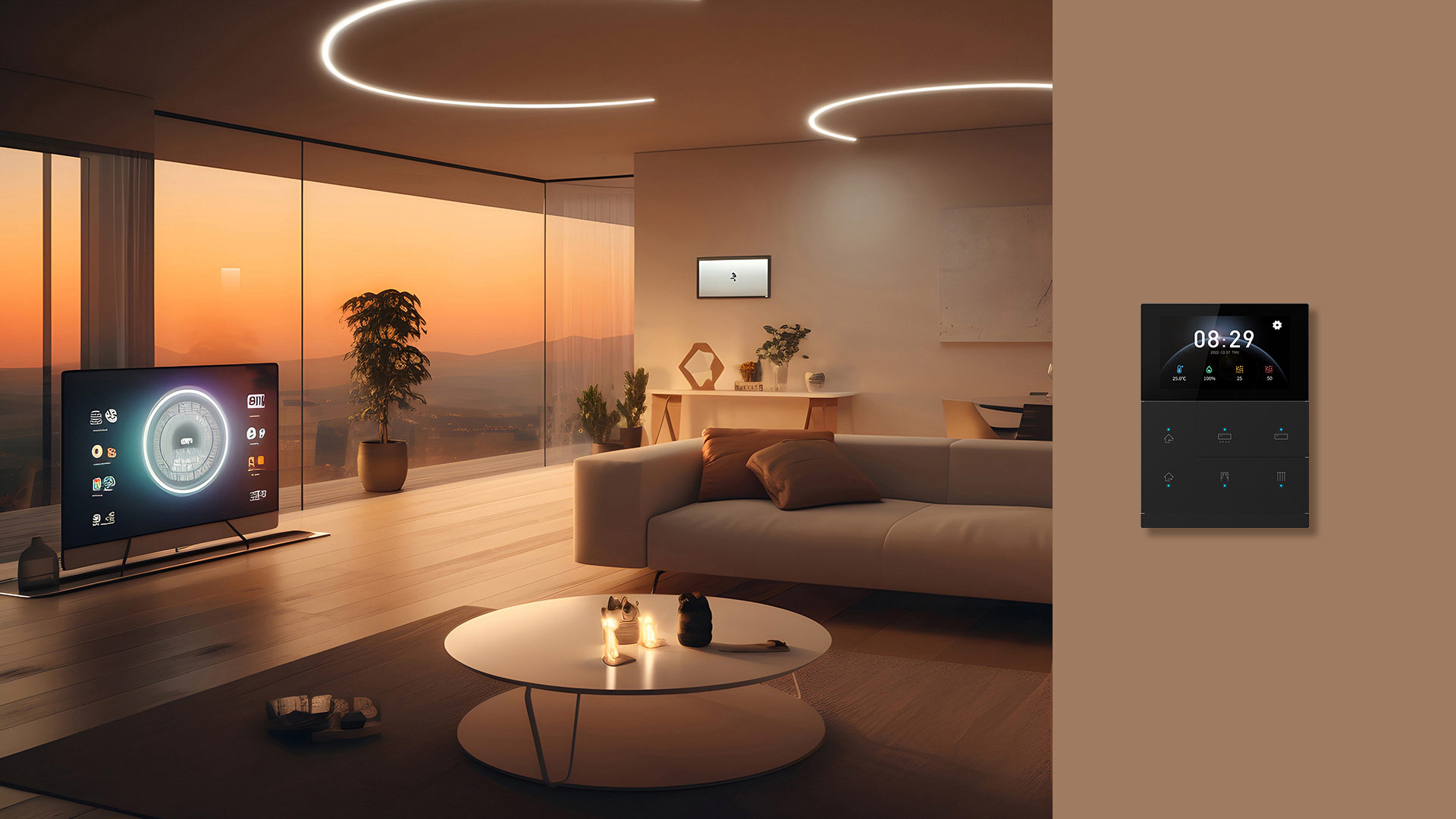
Compatibility remains the primary hurdle for homeowners. Devices often rely on different communication standards like Thread, Zigbee, or manufacturer-specific protocols, which can prevent them from speaking the same language. Carney notes that even if a product works perfectly on its own, it may offer limited functionality when forced into a broader network. Successfully building a cohesive system requires evaluating whether devices connect directly or demand a central hub. Ultimately, the goal is to move past the novelty of internet-connected hardware toward a coordinated environment where technology responds automatically to occupancy and sensor data rather than requiring constant manual input.
Comments (0)
No comments yet. Be the first!