Four astronauts are slated to launch on October 1 from Cape Canaveral, marking the start of a six-month expedition to the International Space Station. The mission centers on a diverse research agenda, ranging from human neural organoid modeling to the installation of advanced external hardware for space-based experimentation.
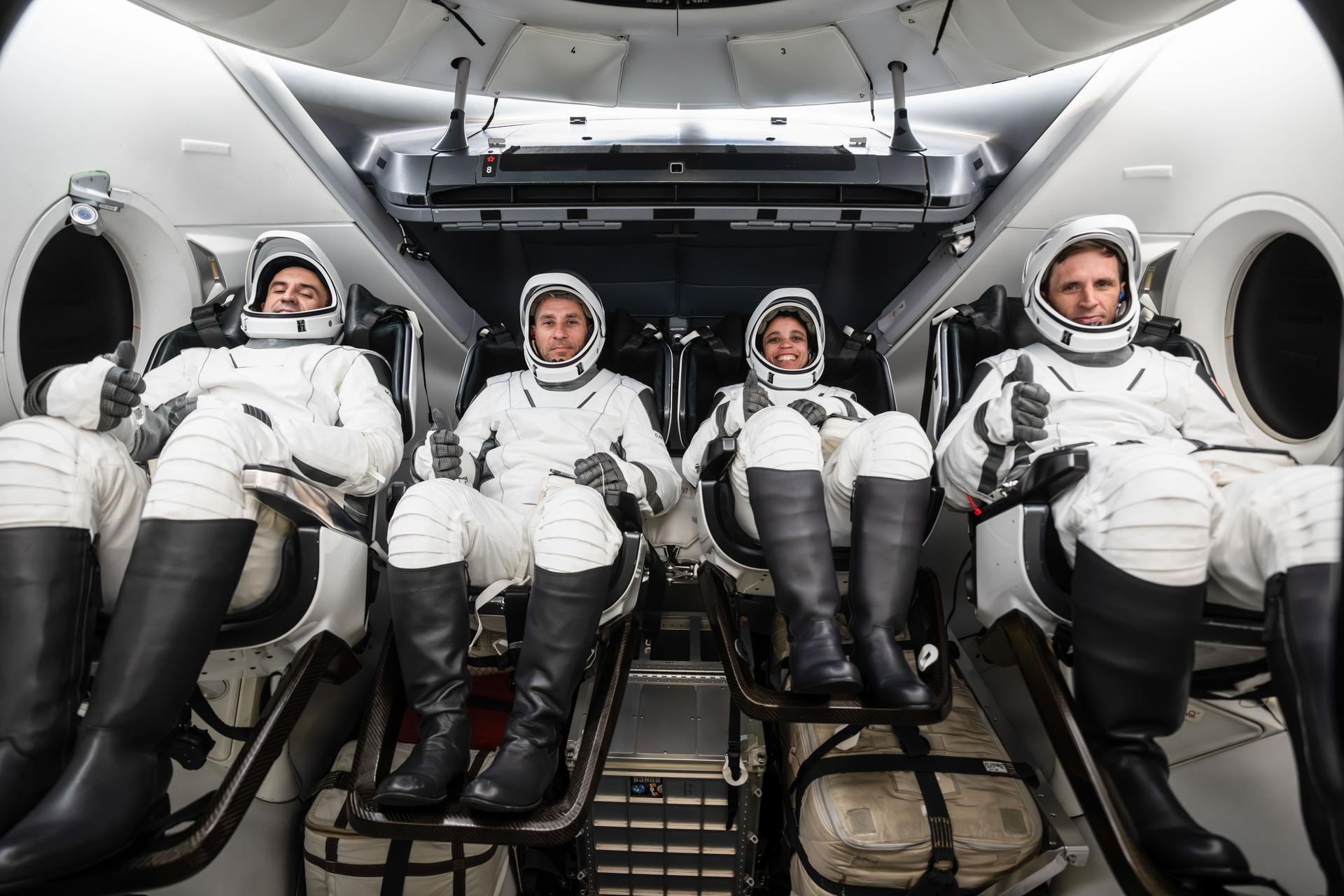
NASA astronauts Jessica Watkins and Luke Delaney, alongside Canadian Space Agency astronaut Joshua Kutryk and Roscosmos cosmonaut Sergey Teteryatnikov, form the crew for the SpaceX Crew-13 mission. Their work on the orbiting laboratory aims to bolster the low Earth orbit economy through hundreds of scientific investigations.
A primary focus of this expedition is biomanufacturing and regenerative medicine. Research teams from the National Stem Cell Foundation, Cedars-Sinai Medical Center, and the Wake Forest Institute for Regenerative Medicine will utilize microgravity to study neuroinflammation, cardiovascular disease models, and the growth of 3D-bioprinted liver tissues. These studies seek to improve therapeutic outcomes on Earth, including advancements in cancer treatment and organ transplant feasibility.
The crew will also support fundamental science initiatives funded by the National Science Foundation, investigating phenomena such as wildfire-induced mudflows, wound healing processes, and metallurgical behavior in space. Additionally, the mission features student-led DNA experiments via the Genes in Space program and the integration of Voyager Technologies' Nanoracks External Laboratory. This new facility, mounted on the Bishop Airlock, will serve as a platform for testing technology against extreme radiation and temperature fluctuations, continuing the ISS National Lab's decade-long record of facilitating high-impact space research.

Comments (0)
No comments yet. Be the first!