
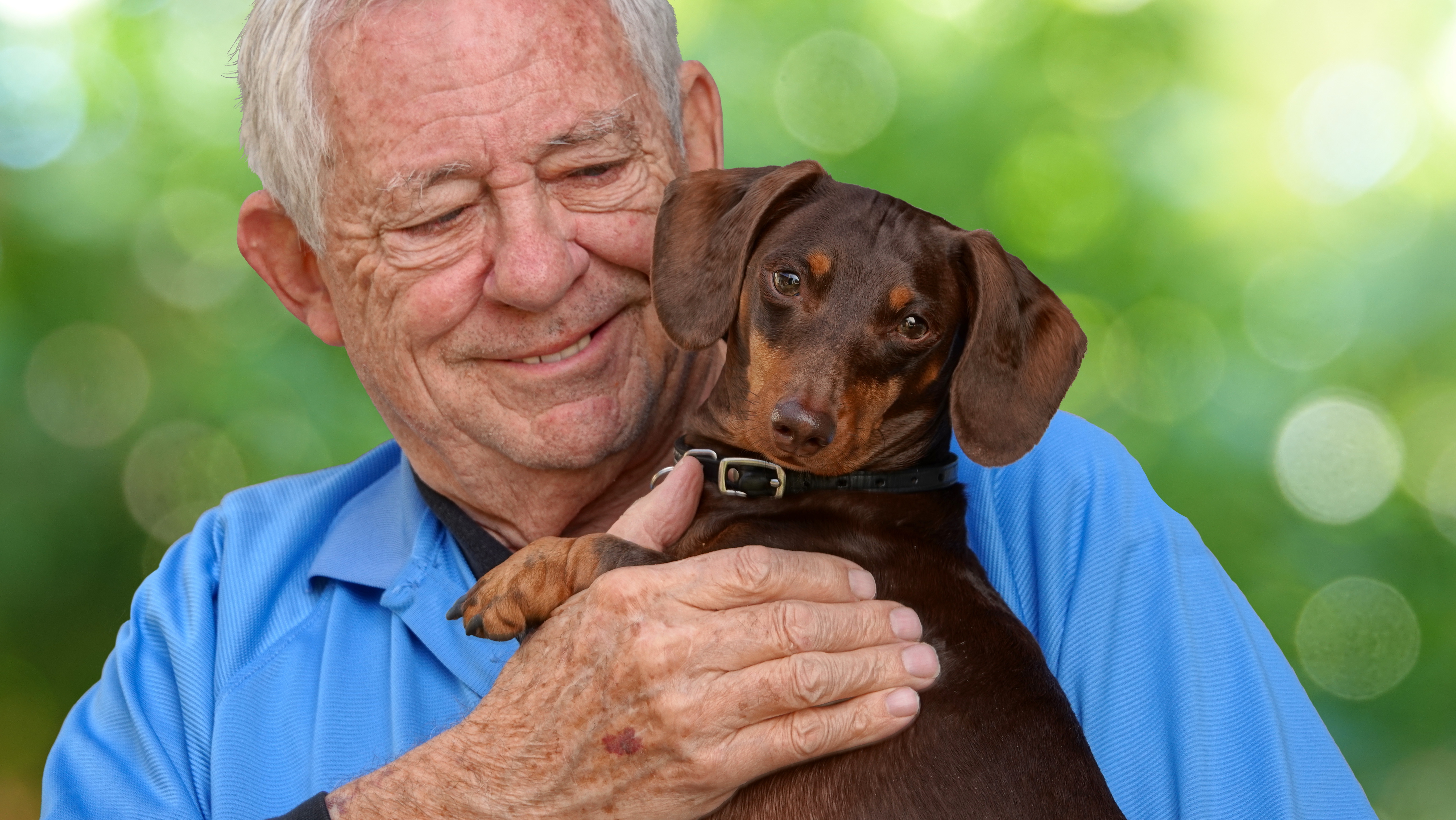
The survey of 900 individuals aged 55 and older highlights a stark divide in lifestyle habits. Among those living alone, pet owners reported significantly higher levels of daily movement and emotional stability compared to their counterparts without animal companions. Dog owners, in particular, recorded 42% higher levels of physical activity, often driven by the necessity of outdoor walks. Cat owners noted that the routine of feeding and play creates essential structure, preventing the stagnation often associated with solitary living.
Jennifer Smith, vice president of the Mather Institute, emphasizes that healthspan—the period of life spent in good health—relies heavily on factors beyond clinical care. Social engagement and consistent movement are primary determinants of longevity. Pets act as a bridge to these elements; even brief interactions during a neighborhood walk can catalyze conversations and build local support networks. Participant BrendaLea Abbott, 66, notes that her pets are the primary reason she interacts with neighbors and remains active outside her home.
Comments (0)
No comments yet. Be the first!