
The legislation targets recurring issues where vehicles from companies like Waymo, Tesla, and Zoox have broken down or entered active crime scenes, forcing first responders to manually intervene. Under the new rules, firms must provide local, on-the-ground support when their fleets encounter trouble. If a vehicle blocks emergency services for more than 30 minutes, operators face potential fines. The law also mandates that any remote personnel capable of taking direct control of a vehicle must be based in the United States and hold a valid U.S. driver’s license, a move designed to standardize remote operations that currently vary significantly across the industry.
In section Startups & Technology
California mandates robotaxi accountability for emergency interference
Autonomous vehicle operators in California face new legal consequences for obstructing emergency services, following a string of incidents where stalled robotaxis hindered police and firefighters. Governor Gavin Newsom signed Senate Bill 1246 into law, establishing strict response requirements and financial penalties for companies that fail to clear public roadways.
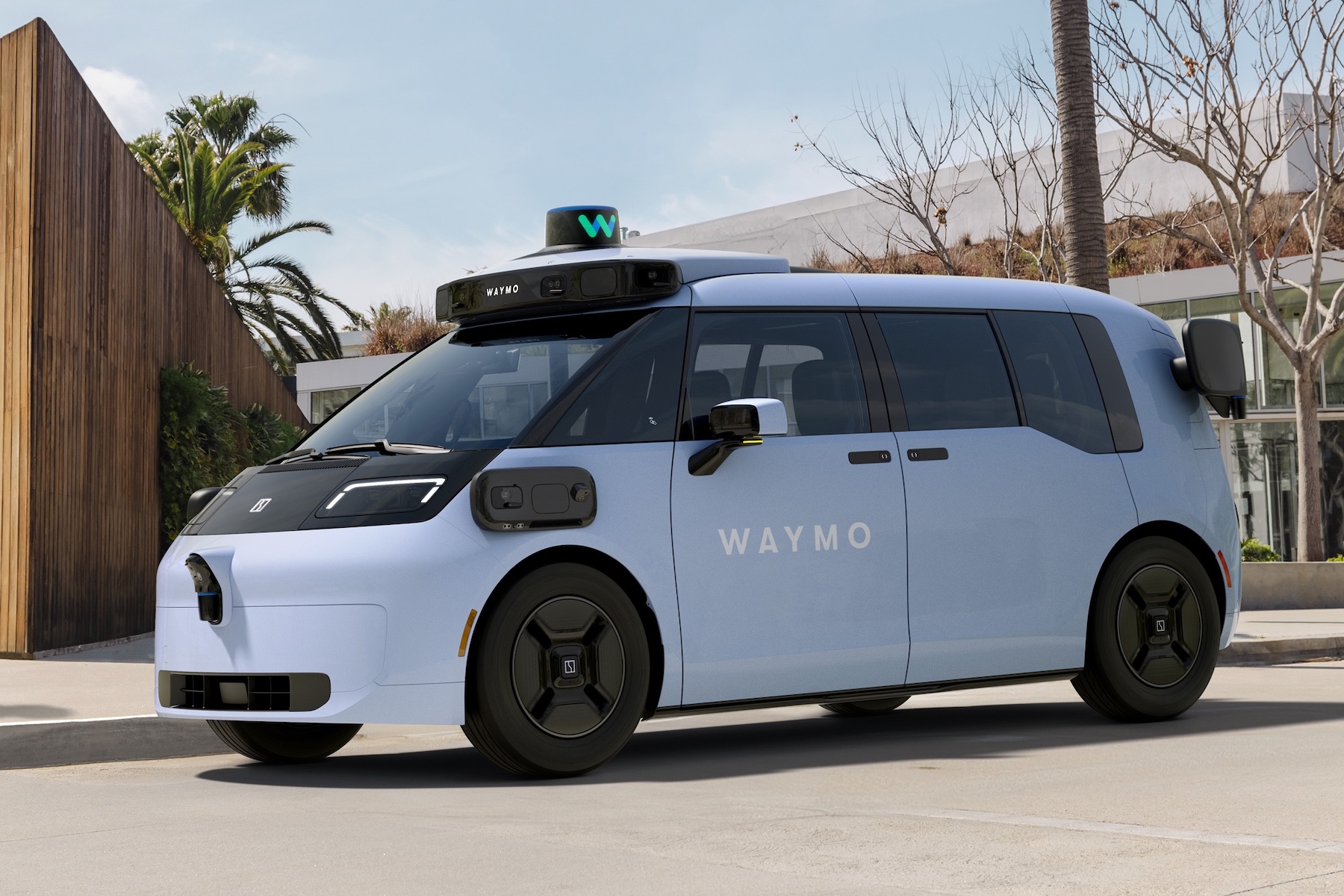
Beyond immediate incident management, companies must now notify local jurisdictions during system-wide failures and deploy incident technicians to accident sites. While Waymo and Zoox have signaled their intent to comply, the full impact of these measures remains pending until the July 2028 implementation date. The California Department of Motor Vehicles is tasked with drafting specific guidelines, including the critical response time benchmarks that will govern how quickly these tech firms must clear their stalled hardware from the streets.
Comments (0)
No comments yet. Be the first!