Beyond Volume: Dr. Elizabeth Welch on Modern Hearing Aid Technology
For many adults, the struggle to follow conversations in noisy rooms is not merely a volume issue but a complex neurological challenge. Franklin, Tennessee audiologist Dr. Elizabeth Welch highlights that modern hearing aids function as sophisticated processing tools, designed to clarify speech and reduce the mental exhaustion associated with mild hearing loss.
By Money Talk·October 2, 2026·2 min read·442 reads
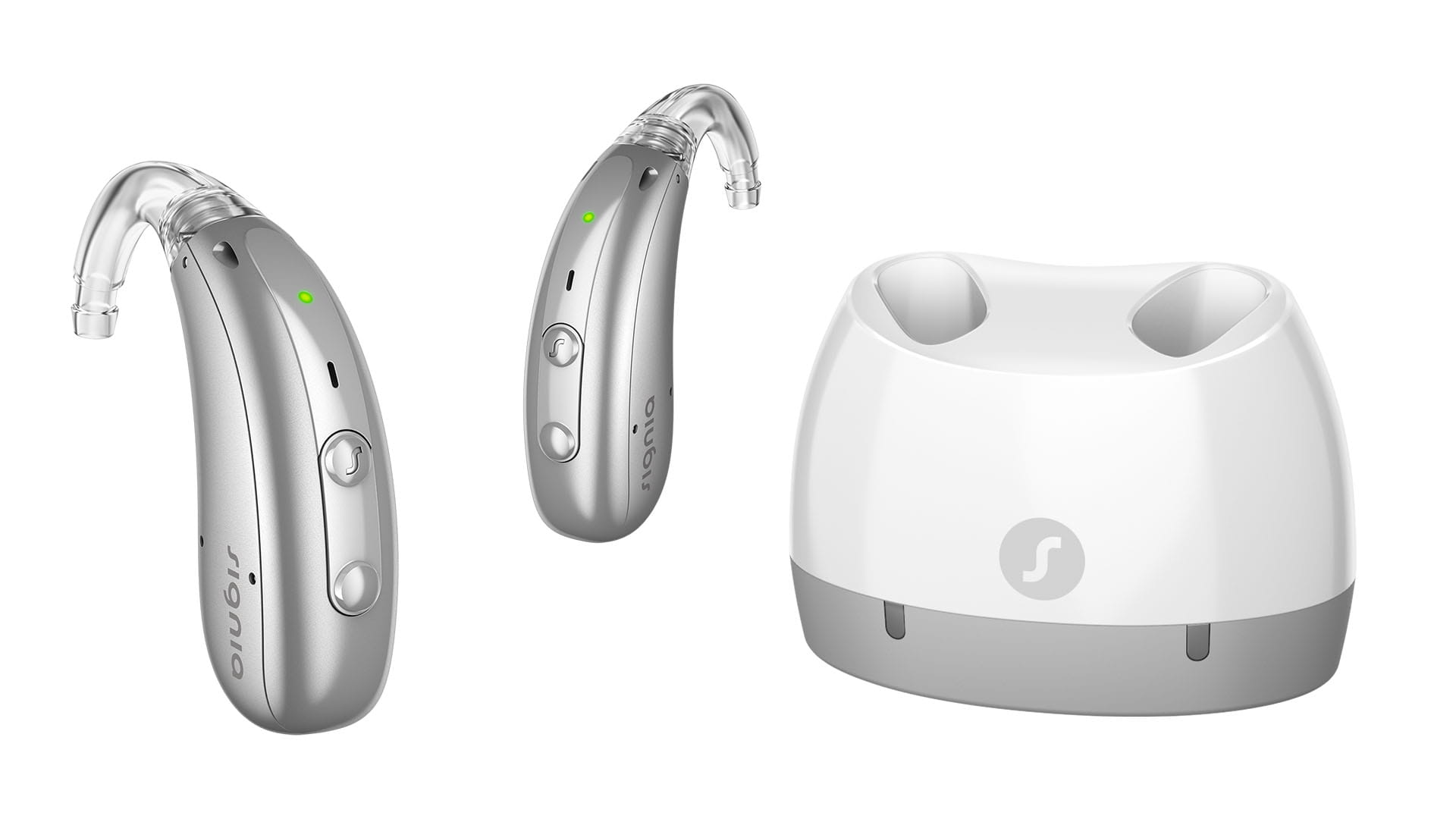
Modern hearing aids operate by capturing environmental sound through microphones and converting it into digital data tailored to an individual's specific hearing profile. Unlike traditional amplifiers, these devices actively filter background noise to prioritize speech signals. Many contemporary models integrate directly with smartphones, allowing users to stream audio while automatically adjusting to the acoustic demands of environments ranging from quiet offices to bustling public gatherings.
Many patients mistakenly believe these devices are reserved for severe impairment. Dr. Welch notes that early intervention is critical; addressing even mild hearing loss can prevent the cognitive strain and social withdrawal often linked to untreated conditions. A professional evaluation in Franklin typically involves a comprehensive assessment of hearing thresholds, lifestyle needs, and communication goals. This data allows audiologists to calibrate devices for maximum speech clarity and comfort.
The fitting process extends beyond the hardware itself, encompassing education on device maintenance and trial periods that ensure real-world effectiveness. Because hearing requirements often shift over time, ongoing follow-ups remain a standard component of care. By combining medical expertise with personalized device programming, patients can maintain active social lives and professional engagement, effectively mitigating the risks of isolation and long-term cognitive decline.

Comments (0)
No comments yet. Be the first!